Iran13 April, 20261 min read
Trump Orders U.S. Navy Blockade of Iran’s Strait of Hormuz Escalating Tensions
This article is an automated aggregation of coverage from news outlets. Our editorials offer in-depth analysis curated by the NewsCord team.
Trump ordered blockade of Iranian ports in Strait of Hormuz, enforcement by U.S. Navy. Intercepting ships paying Iran tolls is authorized.
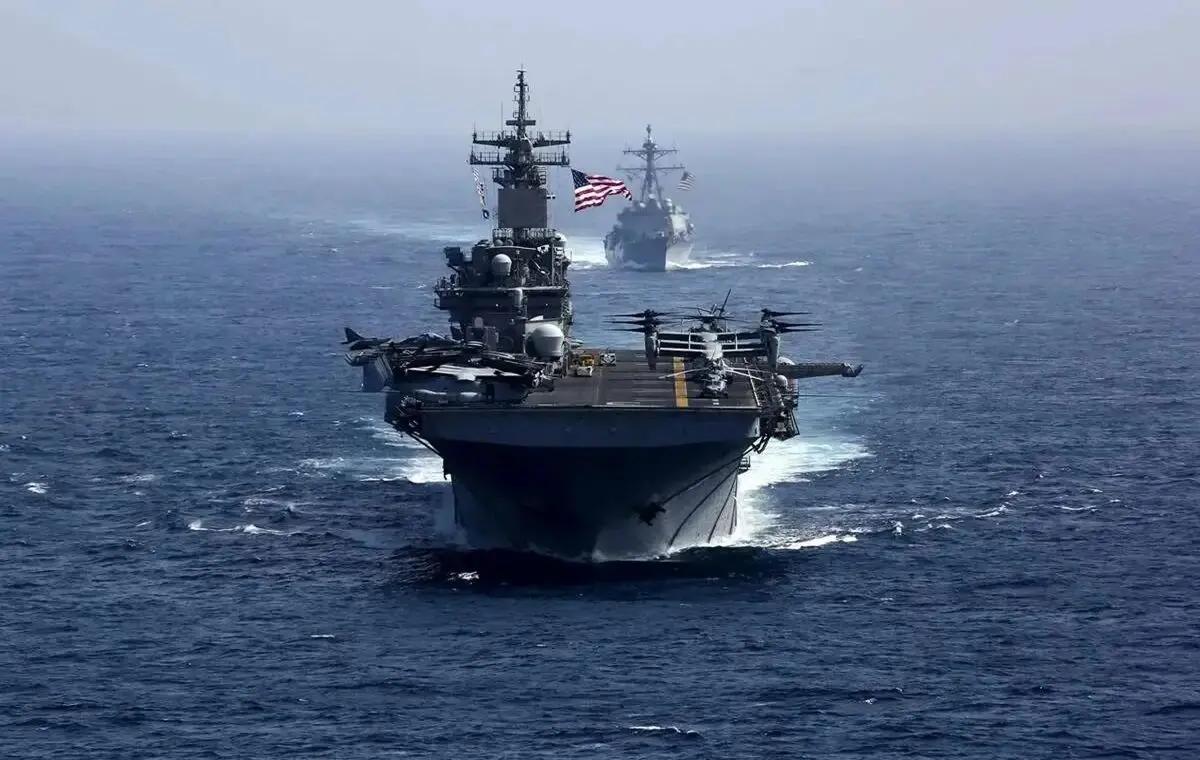
US Blocks Strait of Hormuz
President Trump ordered the U.S. Navy to blockade the Strait of Hormuz and interdict vessels that have paid a toll to Iran.
The Strait of Hormuz is a critical energy chokepoint through which roughly 20% of global oil supply flows.

The move came after peace talks in Pakistan collapsed, with Vance seeking a 20-year suspension of Iran's nuclear program.
Analysts noted the mission is difficult to execute alone and likely unsustainable over the medium to long-term.
China called the blockade a dangerous and irresponsible act.
The International Maritime Organization stated that countries have no right to blockade international straits used for transit.
Operational Challenges
Enforcing the blockade depends heavily on intelligence and real-time situational awareness. ABC News reported that 16 U.S. warships are in the region, but none inside the Persian Gulf. Boarding operations would rely on smaller assets like rigid-hull boats and helicopters.
Experts warned that miscommunication could quickly spiral into military escalation. Ships can spoof tracking systems to obscure their origin and destination. Shipping traffic has fallen sharply since the conflict started.
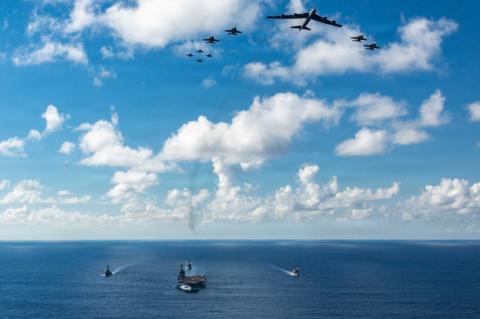
Global Economic Impact
The blockade sent oil prices soaring above $100 a barrel. The BBC reported the world faces a potential two-million-barrel-per-day shortfall. China, the largest buyer of Iranian crude, faces significant economic exposure.
The blockade complicates the fragile ceasefire that took effect on April 7. Starmer and Macron will co-host a summit in Paris focused on reopening the strait.
Diplomatic Fallout
European leaders largely rejected the U.S. blockade. China condemned the blockade as dangerous and irresponsible. The blockade came after six weeks of escalating conflict.
The New York Times reported the blockade is part of a broader maximum pressure strategy. The blockade dramatically raised the stakes of the conflict.
