Full story
Blockade and 20% tariff
President Donald Trump said the U.S. would reimpose a blockade on Iranian ports on Tuesday and collect a 20 percent fee on cargo passing through the Strait of Hormuz, as the U.S.-Iran conflict escalated after Tehran targeted ships in the Strait traveling an alternative path to the Tehran-approved route.
“Only three weeks did the memorandum of understanding withstand, as it did not rise to the level of a formal agreement between the United States and Iran, and it was signed electronically and separately on June 17”
The Guardian reported Trump demanded a 20% tariff on all cargoes shipped through the key maritime passage and threatened to take control of the strait of Hormuz, while the U.S. Navy-led Joint Maritime Information Center said the U.S. would begin enforcing the blockade on Iran on Tuesday.

In the same reporting, the Guardian quoted the Joint Maritime Information Center advisory that "Any vessel suspected of entering or departing the blockaded area without authorisation is subject to interception, diversion and capture."
The BBC also tied the renewed escalation to Trump’s decision to reimpose the maritime blockade on Iranian ports in the Hormuz Strait region, and said Trump told reporters in the White House that reaching an agreement with Tehran to end the war remained possible despite the new U.S. strikes.
Strikes, drones, and responses
The BBC said the U.S. Central Command announced the start of the third night of American military strikes against Iran and that Tehran responded by targeting American facilities in Kuwait.
In that account, Trump said the operations would target Iranian nuclear facilities located underground beneath the mountains in Iran, vowing to destroy them completely, and the BBC quoted him: "We will wipe out the nuclear facilities located under the mountains in Iran."
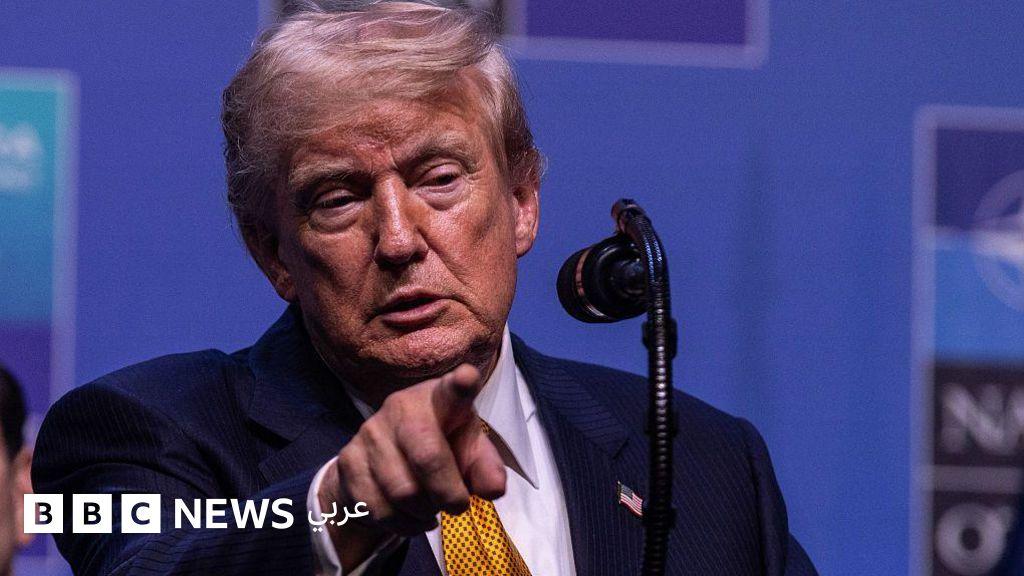
The BBC also reported that Iranian state television quoted the army as saying that Iran targeted American military facilities and equipment in Kuwait using drones, while it added that Iran’s IRGC air defense systems shot down a U.S. MQ-1 drone over the Strait of Hormuz.
Meanwhile, the Guardian described the exchange as the heaviest drone and missile exchanges since an interim deal was negotiated, and it reported that the IRGC spokesperson Hossein Mohebi accused the U.S. of jeopardising global oil and gas supplies and said Washington had "seriously endangered the security of the world’s oil and gas supply".
Legal and diplomatic stakes
The BBC reported that the White House formally notified the U.S. Congress of resuming military operations against Iran, and it said the letter dated July 10 was addressed to Senate Majority Leader Chuck Grassley.
In the BBC’s account of the political dispute, it said several Democrats argued the administration had exceeded the 60-day window allowed by the War Powers Act to carry out military actions against Iran without congressional approval, while the White House said the ceasefire went into effect before that deadline.
The Guardian added that the International Maritime Organization said it was waiting to find out more about Trump’s proposal and reiterated that "IMO stands firmly against charging fees for passage through straits used for international navigation."
Across the reporting, the conflict’s stakes were framed in terms of navigation and energy flows, with the BBC saying the blockade would cover all of Iran’s ports, oil terminals and coastal areas and apply to vessel traffic regardless of flag, while Fortune said Brent crude was back up to $78 a barrel as the U.S.-Iran conflict intensified.