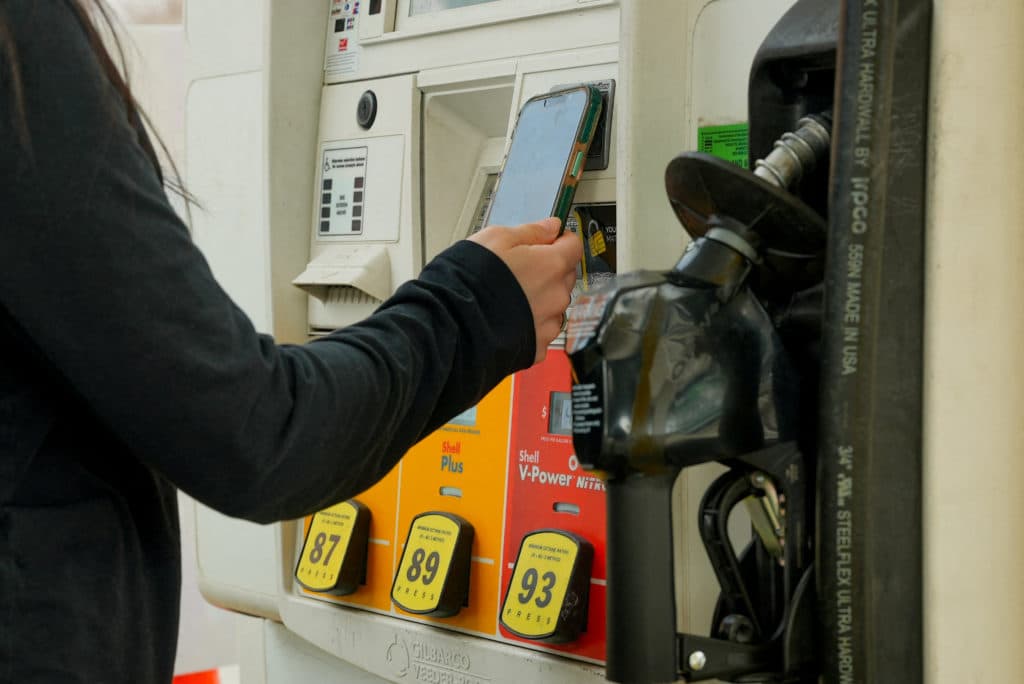
U.S. and Israel's War With Iran Boosts Texas Oil Profits, Raises Gas Prices
Key Takeaways
- U.S.-Israel war with Iran has destabilized crude markets, causing sharp oil price swings
- Consumers are facing higher gasoline prices across Texas and the United States
- Texas oil companies are profiting from war-driven market disruptions
Prices and winners
The U.S.-Israel war with Iran has already translated into bigger profits for Texas oil companies while raising pump prices for drivers, with Texas experts warning consumers will pay more the longer the conflict continues.
“Texas oil companies stand to profit from Iran war disruptions while consumers face higher gas prices The U”
KRGV reported that “Texas oil companies stand to profit from Iran war disruptions while consumers face higher gas prices” and noted that “The average cost for a gallon of regular gasoline in Texas hit $3.21 Tuesday morning, up from $2.55 a month ago, according to AAA.”

PBS corroborated rising prices nationally, reporting that “Across the U.S., drivers were paying an average of $3.58 for a gallon of regular gasoline Wednesday, compared with $2.98 before the war started.”
Crude price volatility
Global crude prices spiked and then retreated amid volatility tied to the conflict, driving the immediate market shock that lifts refining margins and oil company revenues.
PBS described “the spike in oil prices — surpassing $110 a barrel, then retreating,” and noted U.S. oil rose “by roughly 42% from their prewar levels, to roughly $95 a barrel from about $67 before the conflict.”
KRGV detailed that “Brent crude, the international benchmark, briefly surged to $119.50 per barrel” and that “West Texas Intermediate ... also soared above $119 per barrel at one point,” while later noting prices fell after Trump said he thought “the war is very complete.”
Inflation and sectors
Higher oil and diesel prices are feeding through to inflation and specific sectors, and experts warn the longer the war lasts the broader the economic effects will be.
“Texas oil companies stand to profit from Iran war disruptions while consumers face higher gas prices The U”
PBS quoted economists saying the oil spike “will likely be a big factor for U.S. inflation,” cited estimates that a sustained oil shock could push monthly inflation sharply higher, and flagged diesel rising “to $4.83 a gallon in the U.S., a 28% jump since the war started.”
KRGV added that drivers should “expect to pay more at the pump the longer the war continues, especially during the summer travel season when gas consumption rises.”
Passing on costs
How those higher costs are passed to consumers depends on market behaviour: gas stations, shippers and retailers manage margins differently and may absorb some costs in the short term.
KRGV reported that “Gas stations typically avoid immediately passing on the full amount of oil price hikes to their customers” and that owners “typically make their money back by lowering their prices more slowly as oil prices fall.”
PBS further explained that fuel costs matter hugely for logistics because “Fuel prices account for 50% to 60% of the total operating cost of shipping goods by ship,” and quoted analysts saying firms may absorb costs temporarily — “If the conflict is only in the short run, companies will eat it.”
Regional impact uncertainty
Regional differences and uncertainty mean impacts will vary: Texas is cushioned by its production base even as other states feel sharper pain, and experts warn the outlook depends on the war’s duration and disruptions to key waterways.
“Texas oil companies stand to profit from Iran war disruptions while consumers face higher gas prices The U”
KRGV said “Texas’ position as the nation’s leading oil and gas producer insulates Texans from the steepest price hikes,” while PBS highlighted state variation — “In California, drivers were paying $5.34” versus “the average price in Louisiana ... $3.20.”
Both outlets noted broader risks to shipping via the Strait of Hormuz, with PBS saying the waterway “already has caused problems for the shipping industry,” and KRGV quoted economists asking whether the shock “is going to be like the summer of 2022” and warning “It could be worse … In raw numbers, there’s more oil at risk.”
More on Iran
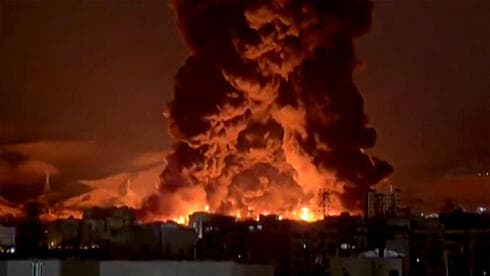
US obliterates military targets on Iran’s Kharg Island, Trump warns
13 sources compared
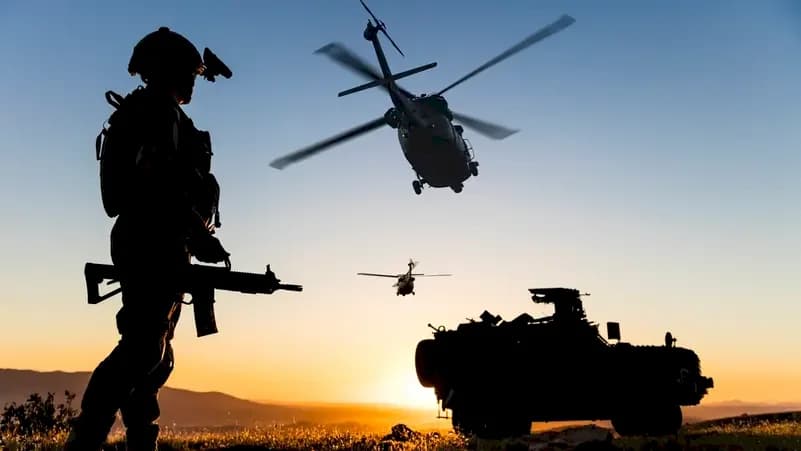
US Deploys About 2,500 Marines to Middle East After Iran Attacks Gulf Shipping
33 sources compared
FBI Warns of Iranian Drone Plot Based on Unverified Tip; California Says No Credible Threat
10 sources compared

White House Demands ABC Retract Report Claiming Iran Sought To Launch Drone Attacks On California
11 sources compared