Ukraine War24 November, 20253 min read
U.S. and Ukraine Advance Toward Agreement on Peace Plan to End Russia's Invasion
U.S. and Ukraine revised a U.S.-draft 28‑point peace proposal during Geneva negotiations Officials said Geneva talks were very productive and narrowed disagreements toward a preliminary agreement
31 outlets told this the same way.
Outlets did split on Russian Attack Kills At Least 33 On Two Buses In Kramatorsk →
Geneva peace talks update
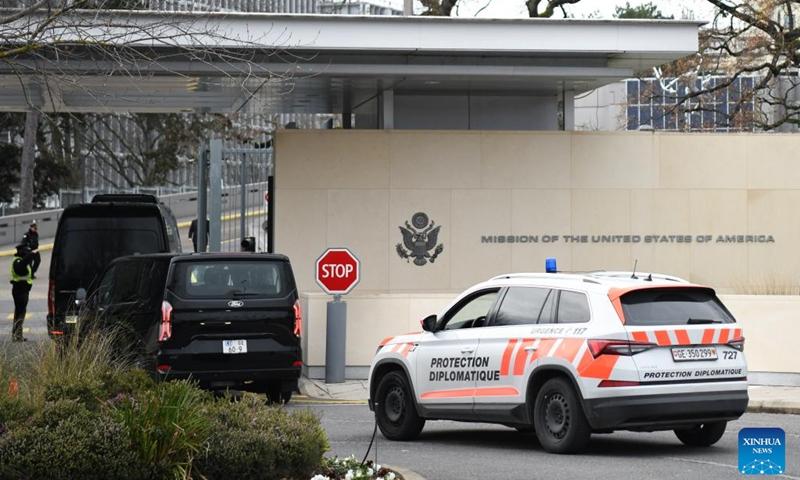
U.S. and Ukrainian officials reported they had made tangible progress in Geneva toward a revised peace framework intended to end Russia's invasion, describing the meetings as constructive though not final. The Washington Post said U.S. and Ukrainian officials reported progress in Geneva on a revised version of a controversial plan to end Russia's war, working toward a U.S.-set Thanksgiving deadline. news.cgtn said delegations described the sessions as very productive with good progress but noted the talks ended without an agreement.
“U.S. and Ukrainian officials said they made progress in Geneva on a revised version of a controversial plan to end Russia’s war in Ukraine, working toward a U.S.-set Thanksgiving deadline.”
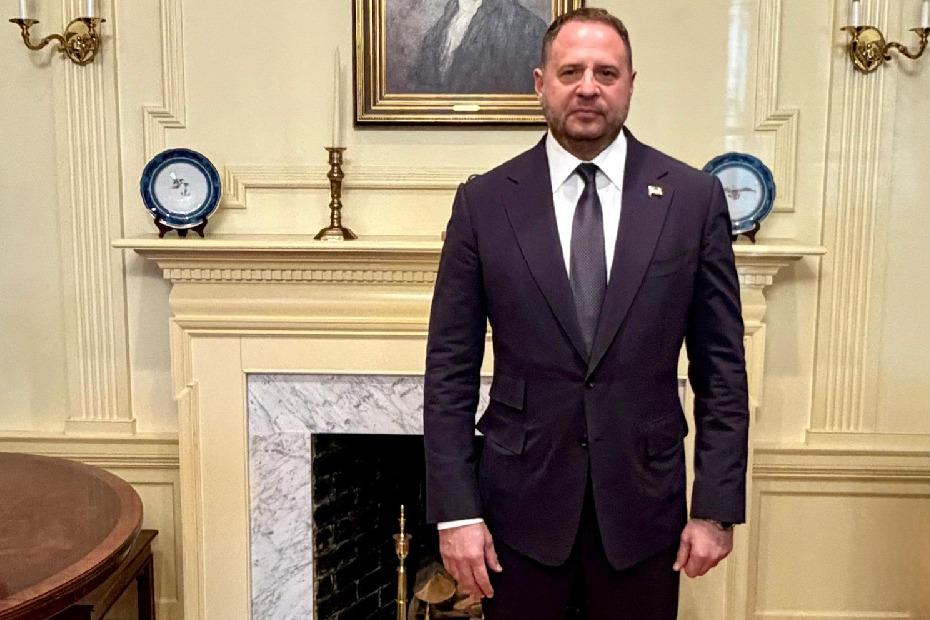
AP7AM quoted Ukraine's Andriy Yermak saying delegations made very good progress. Il Sole 24 ORE relayed a White House statement that the United States and Ukraine had developed an updated and refined peace framework after constructive Geneva talks.
Controversial peace plan
The content and origins of the plan have sparked intense controversy. Several outlets describe it as a U.S.-backed document that echoes elements favourable to Russia, while others portray a revised, shorter framework negotiated in Geneva. Al Jazeera reported that a leaked U.S. peace plan largely mirrors Russian demands, including limits on Ukraine’s military and ceding Crimea, Luhansk and Donetsk, and has alarmed Kyiv and European capitals.
The BBC noted Kyiv rejected legal recognition of territory seized by Russia and the plan’s proposed cap on Ukraine’s armed forces. The Guardian and New York Post reported the leaked 28-point draft was seen by critics as shifting toward Moscow’s positions. Some outlets said negotiators condensed the draft to roughly 19 points during Geneva talks.

International reactions to talks
Political reaction in Kyiv, Washington and Europe was mixed. Ukrainian leaders rejected core territorial concessions while expressing cautious engagement with diplomacy. U.S. figures, including Senator Marco Rubio, described the talks as productive, and Rubio told reporters the meetings were meaningful with AP7AM recording his cautious optimism.
“The joint statement said technical work remains and the plan still needs the ‘final decision’ of U.S. President Donald Trump and Ukrainian President Volodymyr Zelenski; it also says any future deal must fully respect Ukraine’s sovereignty.”
El País and Il Sole 24 ORE reported Kyiv stressed any deal "must fully respect Ukraine's sovereignty." The Barking and Dagenham Post and The Telegraph said UK ministers and leaders like Keir Starmer warned against any settlement forcing Ukraine to cede territory and emphasized security guarantees and NATO protections.
Concerns over secret talks
The Kyiv Independent, citing Bloomberg, reported that secret U.S.–Russia talks had taken place and deliberately excluded key White House personnel.
That reporting raised questions about who authorized the contacts and what the talks sought to accomplish.

Interfax-Ukraine and fakti.bg noted that publicly floated timelines and sign-off dates—such as a Nov. 27 or Thanksgiving target—were not fixed and could be postponed.
The Washington Post and The Telegraph reported political debate in the United States over the plan’s origins and whether it would reward Russia.
Status of Geneva talks
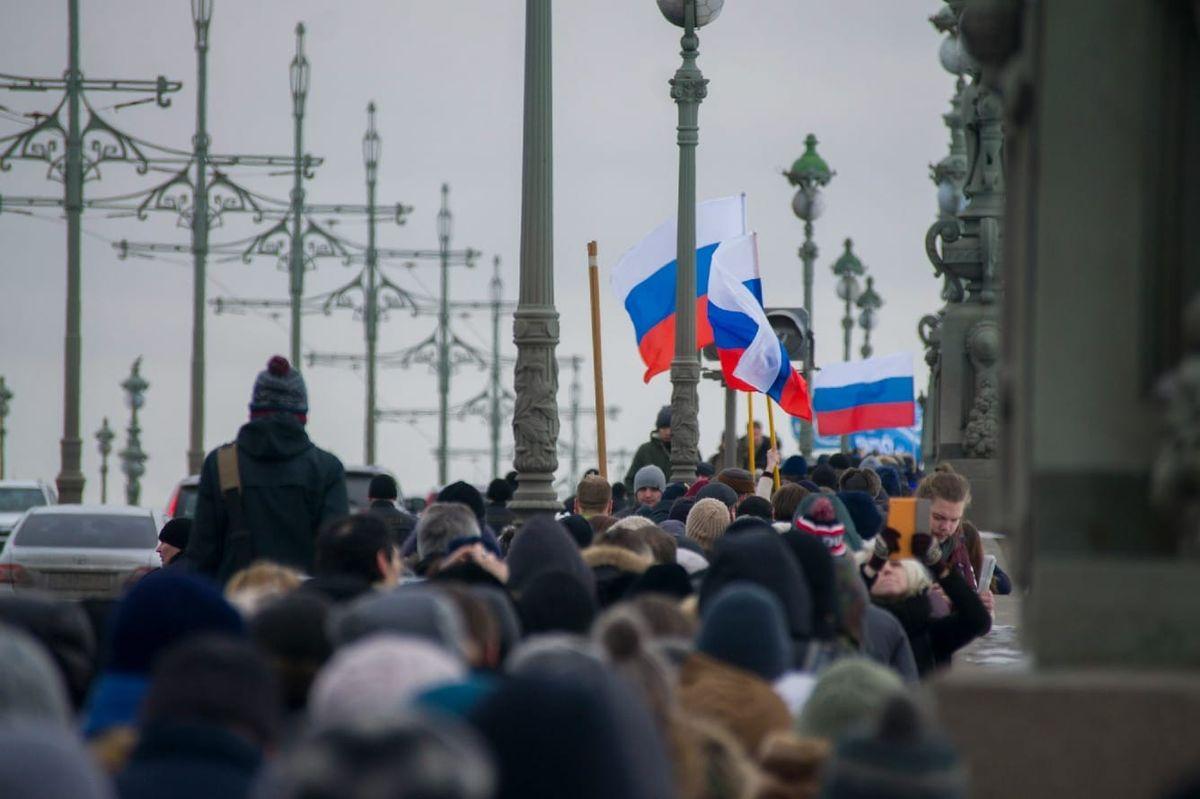
Looking ahead, the picture remains uncertain: Russia has not formally adopted a position on the revised Geneva discussions. President Putin said the draft 'could serve as a basis for talks,' even as European leaders urged caution and further consultation. news.cgtn and Al Jazeera reported that Russia 'has not formally answered the plan,' though Putin suggested it might be a basis for talks, while the BBC and The Telegraph emphasised that Kyiv rejected key territorial clauses.
“Russia has not formally answered the plan, though President Vladimir Putin said it could serve as a basis for talks.”
Those outlets added that major political decisions would likely be reserved for Presidents Trump and Zelensky. Analysts and several outlets warned that even a revised framework would require high-level buy-in and could face implementation challenges, leaving outcomes uncertain.