Syria07 November, 20252 min read
US and UN Lift Sanctions on Syrian War Criminal Ahmed al-Sharaa Ahead of White House Meeting
This article is an automated aggregation of coverage from news outlets. Our editorials offer in-depth analysis curated by the NewsCord team.
UN Security Council voted 14-0 with China abstaining to lift sanctions on Ahmed al-Sharaa. Sanctions removal includes Syrian Interior Minister Anas Khattab alongside President al-Sharaa.
15 outlets told this the same way.
Outlets did split on France Suspends Police Stun Grenades at High School Protests After 15-Year-Old Loses Hand →
UN Lifts Sanctions on Syrian Officials
The UN Security Council approved a US-drafted resolution removing Syrian transitional President Ahmed al‑Sharaa and Interior Minister Anas Khattab from the ISIL/Al‑Qaida sanctions list. The resolution passed 14–0 with China abstaining, ahead of Sharaa’s planned White House visit. Multiple outlets emphasize the timing and mechanics of the vote, noting it lifts a travel ban, assets freeze, and related measures.
“The UN Security Council has lifted sanctions on Syrian leader Ahmed al-Sharaa and Syria’s interior minister Anas Khattab, following a US-drafted resolution.”
The move is positioned as part of a broader re‑engagement with Syria following the end of its civil war. Reports consistently highlight the linkage to an upcoming meeting with US President Donald Trump. The step is framed as both procedurally significant at the UN and diplomatically important for Washington‑Damascus ties.

Sharaa's Rise to Power
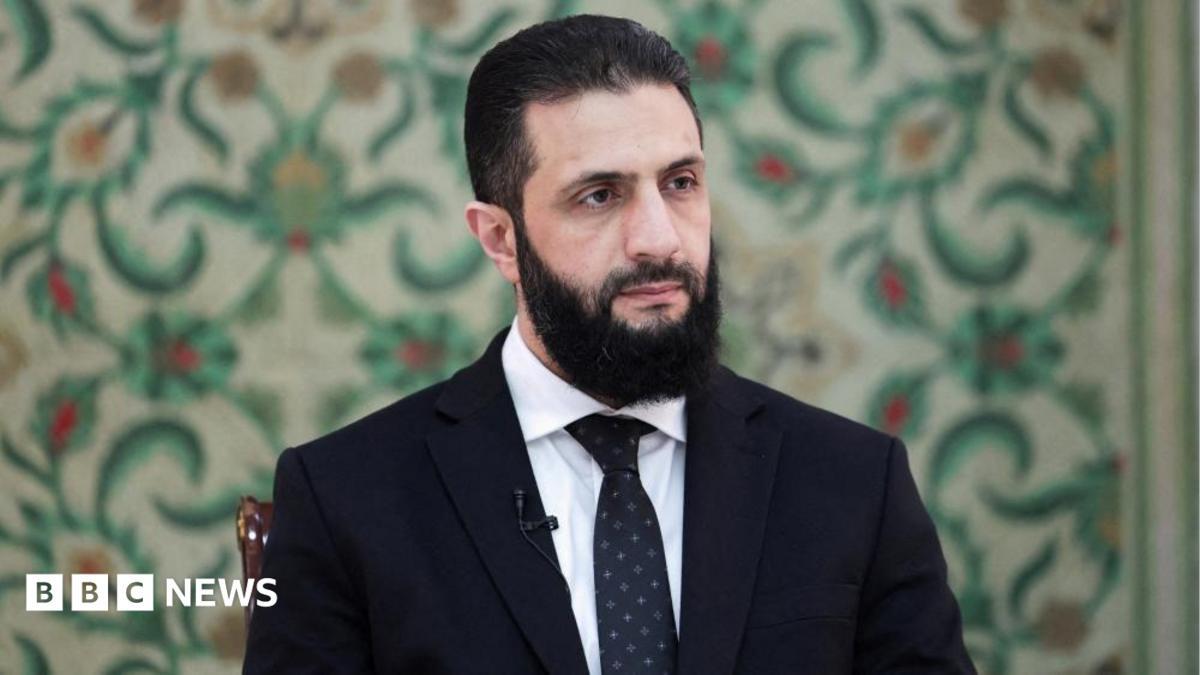
Sharaa’s ascent followed a December 2024 offensive that ousted Bashar al‑Assad. Media outlets describe him as a former militant and ex-HTS leader whose group was removed from the US list in July.
Coverage emphasizes his transition from insurgent figure to head of state and the lifting of sanctions that once targeted him due to HTS’s past connections to al‑Qaida. Some reports also highlight his previous notoriety, including a reported $10 million US bounty, to illustrate the magnitude of this change.

International Sanctions and Support
Beyond the UN action, several governments are coordinating sanctions relief and economic assistance. AL-Monitor reports that the US, Britain, and the EU are moving together to lift their restrictions. Connected to India notes that earlier in the year, the US, UK, and EU eased about $15 billion in assets and trade.
“The United States and Britain lifted sanctions on Syrian President Ahmad al-Sharaa and Interior Minister Anas Khattab, following a similar move by the United Nations Security Council.”
Saudi Arabia, Türkiye, and Qatar have pledged financial support for public salaries and infrastructure. Pakistan’s support of the UN resolution, alongside China’s abstention and criticisms, reflects both growing acceptance and ongoing geopolitical tensions regarding Syria’s rehabilitation.
Sharaa's Washington Visit and Regional Talks
Attention now turns to Sharaa’s Washington agenda and the broader regional track. The Peninsula Qatar lists priorities for the visit — lifting remaining sanctions, reconstruction, and counter‑terrorism. The report uniquely mentions early Syria‑Israel talks aiming for normalization similar to the Abraham Accords.
Media outlets differ on the historic significance and timeline of the trip. Some emphasize the novelty of the visit, while others note previous meetings between Trump and Sharaa earlier this year.
International Reactions to Sanctions Relief
Reactions are divided between supporters of a 'new era' and those who remain skeptical. NewsBytes quotes US Ambassador Mike Waltz praising the decision and notes Syria’s foreign minister’s gratitude. Geo TV highlights Pakistan’s support and China’s criticism of US motives.
“The decision, praised by US Ambassador Mike Waltz as a recognition of Syria's new era, follows months of US lobbying.”
BBC emphasizes the peace-process framing following a 13-year conflict. None of these reports label Sharaa a 'war criminal'; instead, they describe him as a transitional president and former jihadist/ex-HTS leader now re-engaging internationally. This framing by diplomatic and counter-terrorism sources focuses on sanctions relief rather than criminal accountability.