USA15 February, 20262 min read
US Attorney General Pam Bondi Says DOJ Released All Epstein Files; Kentucky Rep. Thomas Massie and Other Lawmakers Say Release Is Insufficient
Justice Department told Congress it released all records required by the Epstein Files Transparency Act Letter listed over 300 government officials and politically exposed persons named in released files

29 outlets told this the same way.
Outlets did split on Trump Interrupted by Protesters at San Antonio Rally for Ken Paxton →
DOJ release on Epstein files
The Justice Department, through a six-page letter signed by Attorney General Pam Bondi and Deputy Attorney General Todd Blanche, told congressional leaders it had completed its review and released the materials required under the Epstein Files Transparency Act. The department said it "produced 'all records, documents, communications and investigative materials'" tied to nine specified categories and provided a catalog of people named in those records. The department stressed that inclusion in the files "does not imply wrongdoing," and DOJ officials insisted nothing was withheld "for reasons of embarrassment, reputational harm or political sensitivity."
“The Justice Department told Congress it has produced all records required under the Epstein Files Transparency Act after a team reviewed roughly 6 million pages and released more than 3.5 million by the Dec. 19 deadline.”
DOJ redactions and names
The DOJ letter set out legal bases for redactions—citing attorney-client privilege, deliberative-process and work-product protections—and argued many withholdings were necessary to shield survivors, sensitive investigative materials, or ongoing prosecutions. Officials told lawmakers redactions protected victims' personally identifiable, medical and other sensitive information after consultation with victim counsel, and the department denied that redactions were made to avoid embarrassment or political fallout. At the same time, the letter included a compiled list of government officials and 'politically exposed persons' who appear anywhere in the files, with the department warning that "being 'named' does not imply wrongdoing."
Lawmakers' objections to release
Lawmakers including Reps. Thomas Massie and Ro Khanna — who helped pass the Epstein Files Transparency Act — pushed back strongly, saying the release is incomplete and that redactions and formatting obscure critical details.
“Rep. Thomas Massie (R-Ky.), who helped lead passage of the law... said he has no confidence in her after a contentious House Judiciary Committee hearing in which Bondi declined to answer many questions and attacked lawmakers personally.”
Members of both parties publicly read masked names at hearings, demanded internal memos explaining charging decisions, and reported procedural concerns when they were allowed to review unredacted files in DOJ facilities.
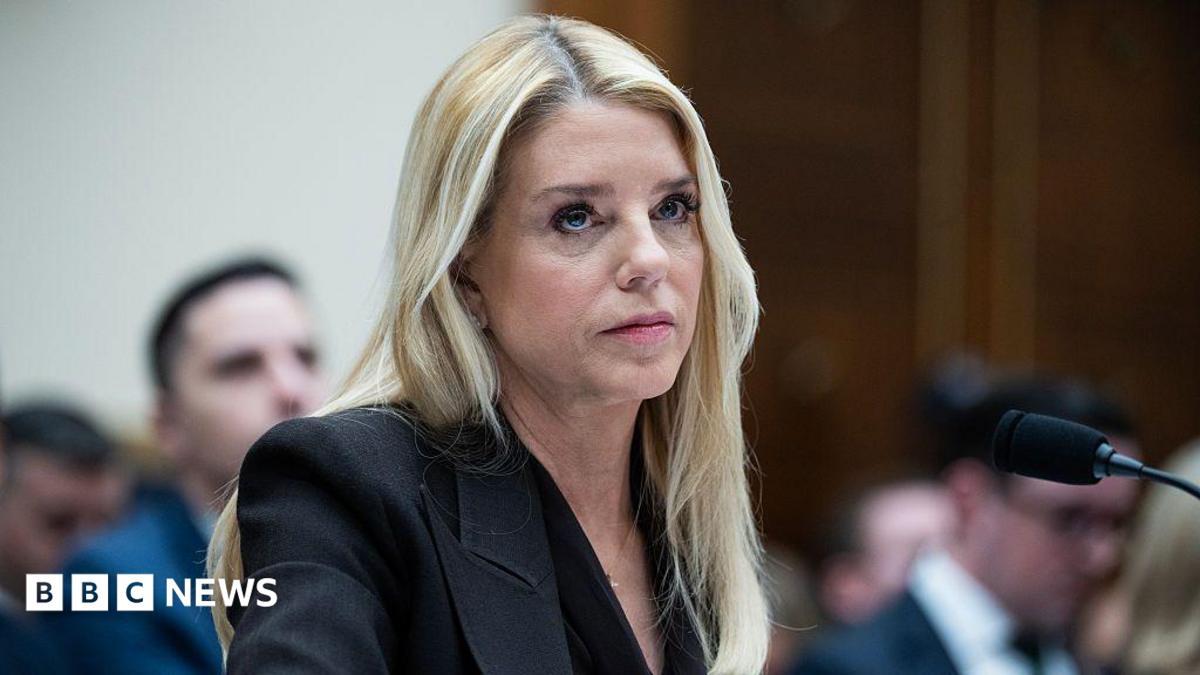
At a contentious House Judiciary hearing, Rep. Massie said he had "no confidence" in Bondi after she declined to answer many questions and, according to several reports, Bondi displayed a search log for Rep. Pramila Jayapal that lawmakers called improper surveillance.
DOJ name-list scrutiny
Scrutiny of the DOJ’s compiled name list and the public releases focused on oddities and errors. Critics noted the catalogue mixed decades-dead celebrities, distant or tangential mentions, and verified associates.
Social media users and some reporters mocked apparent mistakes and placeholders. Outlets from The Daily Beast to Benzinga highlighted unusual entries (Marilyn Monroe, Janis Joplin, Elvis Presley) and technical slip-ups, and reporters also chronicled a prior DOJ "technical or human error" that briefly exposed victim names before the department retracted and later released roughly 3.5 million heavily redacted documents, thousands of videos and images.
Oversight and disclosure dispute
The dispute has left unresolved demands for further oversight and clarification. Some lawmakers have sought a court-appointed special master or independent review. Survivors and advocates say redactions have revictimized victims and obscured accountability.
“Reps. Ro Khanna and Thomas Massie asked a court to appoint an independent special master, arguing the Justice Department cannot be trusted to decide what to release; the DOJ says redactions are necessary to protect victims and ongoing investigations and denies political or reputational motives.”
Several members continue pressing for internal memos and prosecutorial records, especially questions about wealthy figures like Leslie Wexner and why some past decisions, including a 2008 plea deal, resulted in limited federal charges. The DOJ insists it followed statutory obligations and that some materials must be withheld for legitimate legal reasons. Lawmakers say they will keep pressing for fuller disclosure and possible legal remedies.
