
US Begs India to Buy Russian Oil, Iran's Foreign Minister Araghchi Claims
Key Takeaways
- Iran's foreign minister says the US is begging India to buy Russian oil.
- Washington previously pressured allies to halt Russian imports for months.
- Reports portray a US policy U-turn on Russian oil purchases.
US Policy Reversal
Iran's Foreign Minister Seyed Abbas Araghchi has accused the United States of dramatically reversing its stance on Russian oil imports.
“Iran’s foreign minister Seyed Abbas Araghchi on Sunday sharply criticised the United States over its stance on Russian crude oil, claiming Washington was now “begging” countries, including India, to buy Russian oil after earlier pressuring them to halt such imports”
Araghchi claimed Washington is now 'begging' countries including India to purchase Russian crude after months of intense pressure to curb such purchases.

He made these accusations in a post on social media platform X, criticizing what he described as inconsistent US foreign policy.
Araghchi stated 'The US spent months on bullying India into ending oil imports from Russia.'
He added 'After two weeks of war with Iran, White House is now begging the world--including India--to buy Russian crude.'
The Iranian minister's comments came amid heightened tensions in the Middle East following the outbreak of conflict involving Iran.
This conflict has disrupted global energy markets and forced a reassessment of US energy policy priorities.
Geopolitical Realignment
The shift in US policy appears directly linked to the disruption caused by conflict involving Iran.
Particularly severe is the effective closure of the strategically vital Strait of Hormuz.
This waterway has severely constrained global oil supplies and forced Washington to reassess its energy priorities.
The Iranian foreign minister noted how Europe's strategic alignment with US policy against Iran has failed.
He stated 'Europe thought backing illegal war on Iran would win US support against Russia. Pathetic.'
This geopolitical realignment comes as Russia emerges as a major economic beneficiary of Middle East turmoil.
Russia is capitalizing on supply disruptions that have driven up global energy prices.
These disruptions have shifted market dynamics away from traditional Gulf suppliers.
Russian Windfall Gains
The economic implications of this energy market disruption have been substantial.
“Iran’s foreign minister Seyed Abbas Araghchi on Sunday sharply criticised the United States over its stance on Russian crude oil, claiming Washington was now “begging” countries, including India, to buy Russian oil after earlier pressuring them to halt such imports”
Russia reportedly earned an estimated $1.3 billion to $1.9 billion in windfall revenues from taxes on oil exports.
This windfall occurred in just the first days of the crisis alone.
This unexpected financial boost comes at a critical time for Russia.
Energy tax revenues had fallen sharply in early 2026.
This pushed Russia's budget deficit to more than 90 percent of the level projected for the full year.
Industry data indicates Russian oil is now trading roughly $20-$30 per barrel above its average price.
This represents the previous three-month average price period.
Some shipments to India are reportedly being sold at a premium compared with Brent crude.
This is a significant reversal from previous discounts offered by Russian oil.
Market Projections
Energy market analysts predict that Russia could continue to benefit significantly from ongoing Middle East tensions.
Projections suggest Russian crude arrivals to India could reach close to 2 million barrels per day.
This projection is based on current market conditions persisting.
This represents a dramatic increase in Russian oil exports to India.
The increase reflects the shift in global energy flows following disruption of traditional Gulf supply routes.
The situation has created an unexpected financial lifeline for Russia's economy.
This comes after a difficult start to 2026 for Russia's finances.
Higher oil prices could potentially ease severe budget pressures that had been building.
Analysts note that while the US seeks to maintain pressure on Russia through sanctions,
Practical realities of global energy markets have created circumstances benefiting Moscow despite Washington's geopolitical objectives.
Strategic Timing
The timing of Araghchi's public criticism coincided with diplomatic engagement between Iranian and Indian officials.
“Iran’s foreign minister Seyed Abbas Araghchi on Sunday sharply criticised the United States over its stance on Russian crude oil, claiming Washington was now “begging” countries, including India, to buy Russian oil after earlier pressuring them to halt such imports”
The Iranian foreign minister spoke with his Indian counterpart S Jaishankar just one day before posting his statements.
This diplomatic context adds another dimension to geopolitical maneuvering surrounding energy markets.
Iran may be leveraging its position as both a regional power and energy producer.
Iran appears to be using this position to influence international relations.
The situation highlights the complex interplay between energy security and geopolitical alliances.
Economic interests are playing a crucial role in the current global landscape.
Traditional power dynamics are being challenged by shifting supply chains.
Emerging new alliances prioritize practical economic considerations over established geopolitical frameworks.
More on Iran
Iranian Women's Soccer Captain Zahra Ghanbari Withdraws Asylum Bid in Australia
10 sources compared
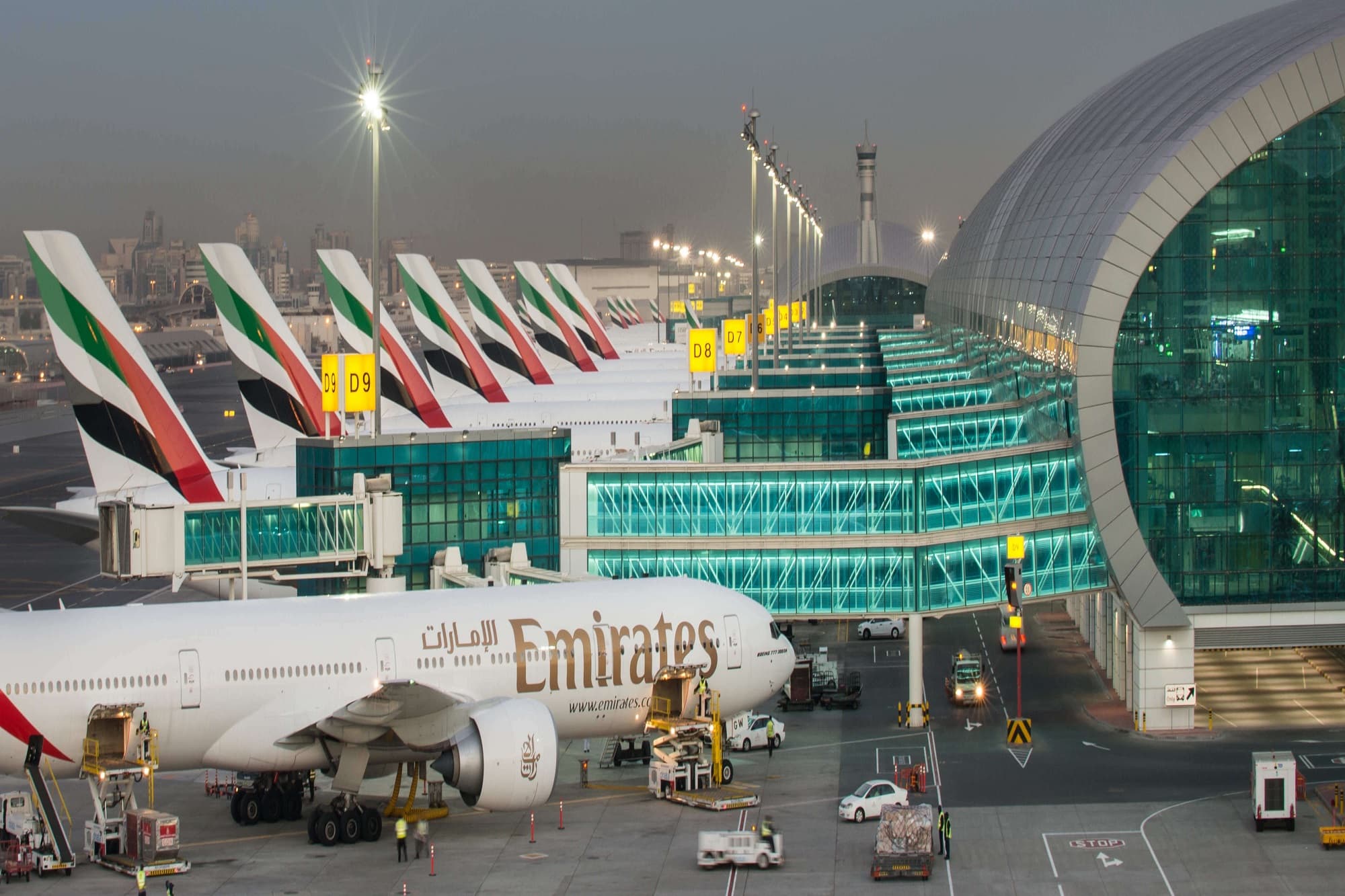
Iranian Drone Strike Shuts Dubai International Airport, Thousands Stranded
25 sources compared

Iran Drone Strike Shuts Dubai International Airport, Triggers Global Travel Disruption
16 sources compared

Iran's New Supreme Leader Mojtaba Khamenei Travels to Moscow for Leg Surgery
15 sources compared