
U.S. Boards And Seizes Sanctioned Tanker M/T Majestic X In Indian Ocean
Key Takeaways
- Majestic X seized in Indian Ocean; Pentagon labels it sanctioned, stateless; right-of-visit boarding performed.
- U.S. maritime interdictions target Iranian oil tankers across Indian Ocean and Strait of Hormuz.
- Part of a broader tit-for-tat series between U.S. and Iran.
Majestic X Interdiction
The United States boarded and seized the sanctioned, stateless tanker M/T Majestic X in the Indian Ocean overnight, the Defense Department said Thursday, accusing it of transporting oil from Iran.
“US military intercepts Iranian oil tanker in Indian Ocean -- report [](https://subscribe”
The Washington Post reported that “U.S. forces intercepted and boarded a tanker ship in the Indian Ocean overnight,” citing the Defense Department’s statement.
BBC News likewise said the US carried out a “maritime interdiction” on the M/T Majestic X, describing it as the interception or inspection of a vessel by a navy on ships suspected to be hostile or in violation of the law.
The Hill added that American forces boarded the M/T Majestic X, which the Pentagon described as a “sanctioned, stateless vessel,” and said it was the third seized by the U.S. this week.
CBS News described the same operation as “Overnight, U.S. forces carried out a maritime interdiction and right-of-visit boarding of the sanctioned stateless vessel M/T Majestic X transporting oil from Iran, in the Indian Ocean.”
Multiple outlets tied the interdiction to a broader enforcement campaign aimed at disrupting support networks for Iran, with the Pentagon saying it would continue “global maritime enforcement to disrupt illicit networks and interdict vessels providing material support to Iran, wherever they operate.”
The BBC also placed the move within a wider pattern, saying the US has intercepted multiple ships after imposing a blockade on maritime traffic entering and leaving Iranian ports on 13 April.
Blockade, Mines, and Numbers
The Majestic X boarding came as the U.S. expanded its naval posture beyond the Strait of Hormuz and intensified threats tied to mine-laying in the strait.
The BBC reported that the latest interception came as President Donald Trump ordered the US Navy to “shoot and kill” any boat laying mines in the critical shipping channel the Strait of Hormuz.
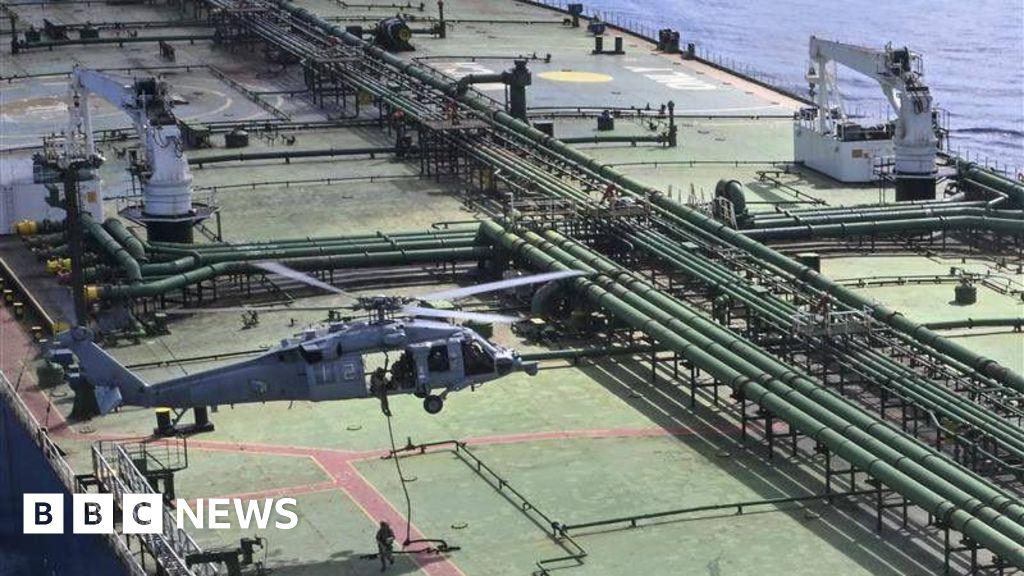
The Hill said Trump had ordered the Navy to “shoot and kill any boat” laying mines in the Strait of Hormuz, and it described the interdiction as part of a blockade on Iran’s trade by sea.
BBC News also stated that under the blockade, US Central Command (Centcom) said it has ordered 33 vessels to return to port, and the DoD said it will continue to stop ships suspected of “providing material support to Iran - anywhere they operate.”
CNBC reported that “Trump said no ship is allowed to enter or leave the strait without the approval of the Navy,” and it quoted Trump saying the sea lane was “Sealed up Tight,” until Iran makes a deal.
The Washington Times added that the U.S. and Iran continued to trade ship seizures near the Strait of Hormuz and in the Indo-Pacific region, and it said the operation was the second of its kind beyond the Strait of Hormuz.
It also claimed that earlier on Thursday, U.S. Central Command said its forces have turned around 33 vessels since the operations began.
In parallel, the BBC said the Pentagon dismissed reports suggesting the U.S. may require six months to remove any mines located in the shipping lane, with Pentagon Chief Spokesman Sean Parnell telling the BBC that “One assessment does not mean the assessment is plausible, and a six-month closure of the Strait of Hormuz is an impossibility and completely unacceptable to the Secretary.”
Iran’s Response and Seizures
Iran has framed the U.S. interdictions as retaliation and has continued to seize ships in the Strait of Hormuz, according to the BBC and CBS News.
“Screengrab The United States has seized another oil tanker associated with Iran in the Indian Ocean”
The BBC said Iran described one US ship interception earlier this week as “piracy,” and it reported that Trump has been hoping to put pressure on Tehran by targeting the country’s oil revenues and tolls Tehran said it has collected from ships to navigate freely through the strait.
The BBC also reported that the U.S. continued to impose its naval blockade despite Trump extending a two-week ceasefire at the request of mediator Pakistan.
It added that Iran’s navy said it had seized two cargo ships in the strait and taken them to the country’s coast after reports that three vessels came under fire from Iranian forces, with Fars News Agency saying IRGC was behind the attacks.
BBC Verify analyzed footage shared by the IRGC and found that while the two vessels—MSC Francesca and the Epaminondas—are clearly identifiable, aerial shots appear to have been filmed several hours after the reported initial attack.
CBS News described the interdiction as part of a tit-for-tat series that came after Tehran’s forces seized two commercial ships in the Strait of Hormuz on Wednesday.
CBS News also reported that a Philippine government agency said 15 Filipino seafarers onboard two container ships currently being held by Iran were “safe and unharmed” and “their families have been informed and are receiving government support.”
It further said the Department of Migrant Workers stated that 10 Filipinos were onboard the Epaminondas and five on the MSC Francesca, and that the ships were “currently in the vicinity of the Iranian coastline.”
The BBC further said Iran has refused to reopen the Strait of Hormuz despite the U.S.-Iran ceasefire Trump extended indefinitely this week, and it said Iran called the U.S. Naval blockade a violation of the agreement.
Stakes for Oil and Markets
The U.S.-Iran naval standoff has immediate economic stakes tied to the Strait of Hormuz and global energy flows, with outlets citing both shipping disruptions and price impacts.
CNBC reported that the conflict evolved into “a confrontation between naval blockades,” as the U.S. and Iran try to gain economic leverage over each other, and it said Brent oil rose above $100 per barrel again as tanker traffic through the strait remained at a near standstill.

CNBC also said “Two cargo vessels, but no tankers, have crossed the strait so far Thursday,” and it reported that “At least nine tankers have transited the sea lane since Monday.”
The Hill described the strait as “the vital waterway, through which one-fifth of the world’s crude oil and natural gas passes in peacetime,” and it said Tehran attacked three ships in the strait and seized two of them on Wednesday.
World Oil, citing Bloomberg, said the overnight maneuver involving Majestic X served as a reminder that the US is willing to target Iran’s oil trade hundreds of miles from the Persian Gulf state’s territorial waters, and it identified the ship as also known as the Phonix, a Very Large Crude Carrier able to transport 2 million barrels of oil.
World Oil further said the enforcement actions meant “a tiny amount of petroleum is now reaching global markets through Hormuz,” and it said that up until the American blockade started, Iran had been the only nation sending meaningful amounts through it during the war.
It also reported that shipping through the waterway remained at a fraction of peace-time levels early on Thursday and that the oil market already faces a guaranteed supply loss of around 1 billion barrels, citing Russell Hardy of Vitol Group.
The Times of India added that the closure of the Strait of Hormuz, through which about 20% of the world’s oil and gas flows in normal times, triggered a wider energy crisis and sharply reduced exports.
Diverging Frames and Evidence
While the core facts of the Majestic X boarding are consistent across major outlets, the reporting diverges in how it frames the broader campaign, the evidence behind claims, and the timeline of related actions.
The Washington Post emphasized the Defense Department’s accusation and placed the interdiction within expanded U.S. naval operations beyond the Middle East, saying the interdiction came as U.S. naval operations have expanded beyond the Middle East this week.

BBC News, by contrast, focused on the legal and procedural framing, quoting the DoD’s description of a “maritime interdiction” and detailing the blockade’s start date, saying the US has intercepted multiple ships after imposing a blockade on maritime traffic entering and leaving Iranian ports on 13 April.
BBC Verify’s analysis of IRGC-shared footage also introduced uncertainty into the narrative around the earlier seizure of MSC Francesca and the Epaminondas, saying that while the two vessels are clearly identifiable, aerial shots appear to have been filmed several hours after the reported initial attack.
The Hill and CBS News both described the interdiction as part of a tit-for-tat series, but CBS News added a human dimension by reporting the Philippine government agency’s statement that 15 Filipino seafarers were “safe and unharmed.”
World Oil, citing Bloomberg, added technical and market framing by identifying Majestic X as also known as the Phonix and describing it as a Very Large Crude Carrier able to transport 2 million barrels of oil, while also stating that Equasis describes it as sailing under a false flag.
The Times of India and CNBC both tied the interdictions to the Strait of Hormuz’s near standstill, but they used different metrics, with CNBC citing tanker transits since Monday and the Times of India citing the closure’s impact on global energy supply chains.
Even the Washington Times, while describing the same boarding of M/T Majestic X, used a different tone and included Trump’s threat that the U.S. Navy will “shoot and kill” any boat that lays mines in the Strait of Hormuz.
Taken together, the coverage shows how the same interdiction can be embedded in different narratives—legal procedure, tit-for-tat escalation, or supply-chain and market pressure—while still relying on shared named vessels, dates, and official statements.
More on USA

DOJ Ends Criminal Probe Into Fed Chair Jerome Powell, Clearing Way for Kevin Warsh Confirmation
20 sources compared

Trump Administration Sanctions Hengli Petrochemical And 40 Shippers Over Iranian Oil
16 sources compared

Trump Administration Considers Suspending Spain From NATO Over Iran War Support
15 sources compared
Pentagon Email Outlines Options To Suspend Spain From NATO Over Iran War Access
16 sources compared