
US Bombs Iran's Antiship Missile Sites Near Strait of Hormuz
Key Takeaways
- CENTCOM said it hit Iranian missile sites near Hormuz with 5,000-pound bombs.
- Strikes targeted hardened coastal missile sites housing anti-ship missiles along Iran's coastline.
- U.S. says operation aimed to reduce risk to shipping in the Strait of Hormuz.
US Strike Details
The United States military conducted airstrikes on Iranian antiship missile sites near the strategic Strait of Hormuz.
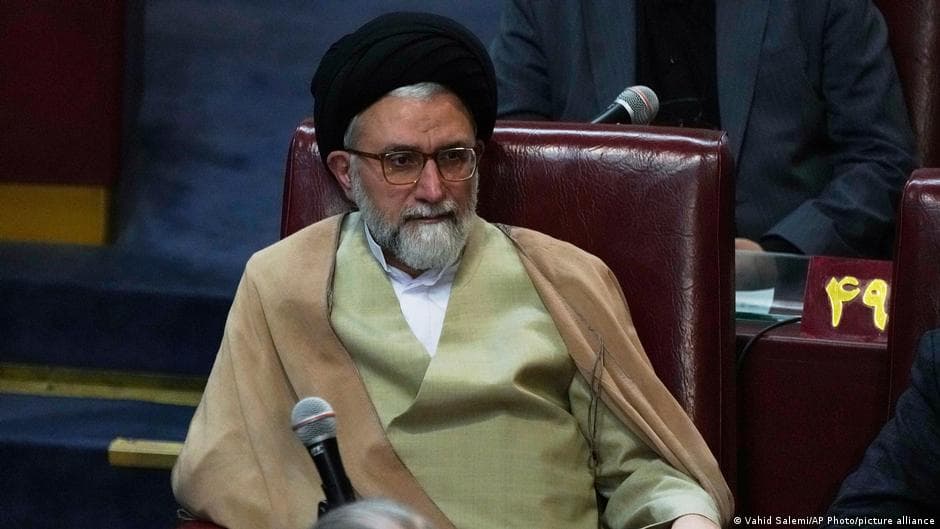
“What you need to know - Iran says Iranian Intelligence Minister Esmaeil Khatib has been 'eliminated' - Iran has not confirmed Khatib's death - Israel launches more strikes on Beirut, killing at least 12 people - The US says it used 'bunker-buster' bombs against Iranian missile sites along the strategic Strait of Hormuz - Iran launches missiles with multiple warheads at Israel in retaliation for the killing of security chief Ali Larijani - The Iranian missile attacks kill at least two people in central Israel Here is a roundup of the main developments from the US-Israel war with Iran on Wednesday, March 18: Iranian Intelligence Minister Khatib is dead, Israeli defense minister says Israeli Defense Minister Israel Katz has announced that Iranian Intelligence Minister Esmail Khatib has been killed”
According to U.S. Central Command, the bombing operation targeted Iranian anti-ship cruise missile installations.
The strikes represent a significant escalation in the ongoing conflict between the U.S. and Iran.
The operation utilized some of the most powerful conventional bombs in the American arsenal.
These bombs were specifically designed to penetrate hardened or buried targets.
Strategic Context
The bombing operation followed Iran's closure of the Strait of Hormuz.
This critical maritime channel carries approximately one-fifth of the world's oil flows.

Iran's blockade has severely disrupted global maritime traffic.
The closure has caused significant surges in energy prices worldwide.
The U.S. strikes were designed to address Iranian threats to international shipping.
Weaponry Used
The U.S. employed GBU-72 Advanced 5K Penetrator bombs.
“Bunker-buster munitions target coastal threats to commercial shipping U”
These are sophisticated weapons designed to penetrate hardened, deeply buried targets.
The 5,000-pound 'bunker buster' munitions use advanced modeling and simulation technology.
Each bomb reportedly costs approximately $288,000.
They are less powerful than 30,000-pound bombs used on Iranian nuclear sites.
Political Context
President Donald Trump's unilateral decision came amid diplomatic friction.
Most U.S. allies, including NATO, rejected his calls for assistance.

Trump expressed resentment toward traditional allies.
He described it as a 'war of choice' in Iran.
Trump claimed he was conducting it for the greater good despite lack of allied support.
Regional Escalation
The U.S. strike occurred amid escalating tensions across the Middle East.
“The US military said Tuesday, March 17, it had hit Iranian missile sites near the strategic Strait of Hormuz with some of the most powerful bombs in the US arsenal”
Iran launched retaliatory missile attacks against Israel killing at least two people.

Iranian Intelligence Minister Esmaeil Khatib was reportedly killed by Israel.
Israel conducted additional strikes on Beirut killing at least 12 people.
NATO deployed additional Patriot missile systems in Turkey.
More on Iran

Israel strikes Iran's Pars gas field as Tehran vows revenge
14 sources compared
Trump threatens to blow up South Pars gas field if Iran attacks Qatar again
10 sources compared
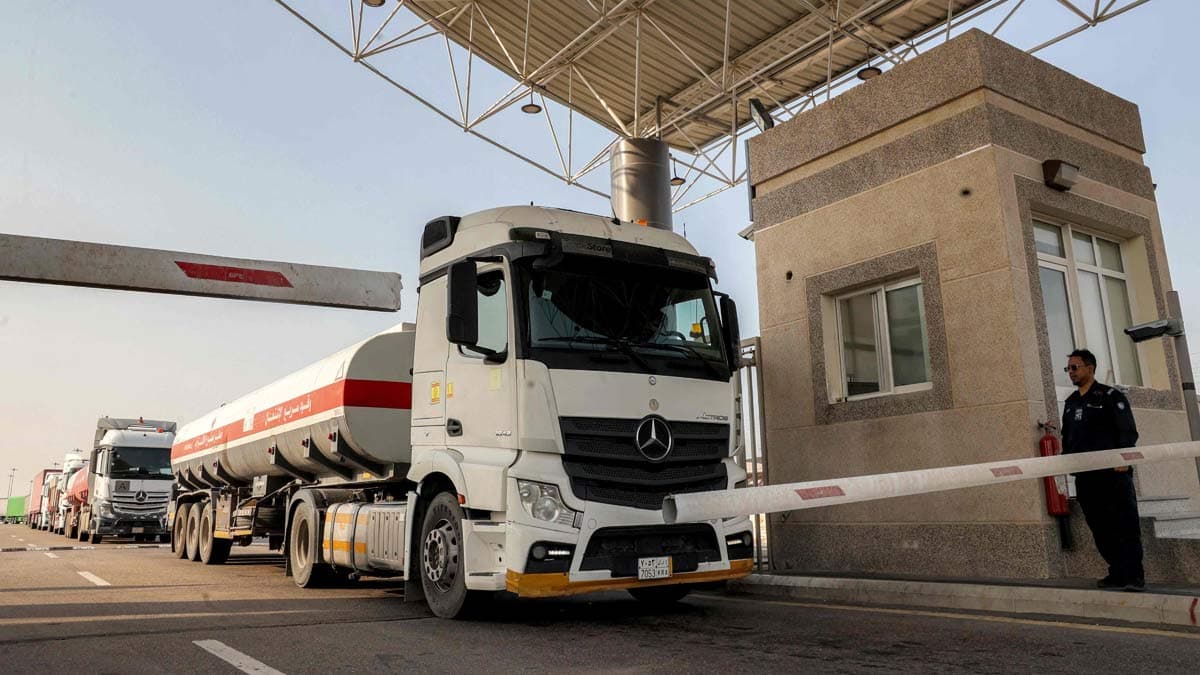
UAE Halts Habshan Gas Facility Operations After Debris From Intercepted Missiles
10 sources compared

Iran Threatens Gulf Energy Facilities After Israel Strikes South Pars Gas Field
11 sources compared