Full Analysis Summary
Rohingya refugee's death
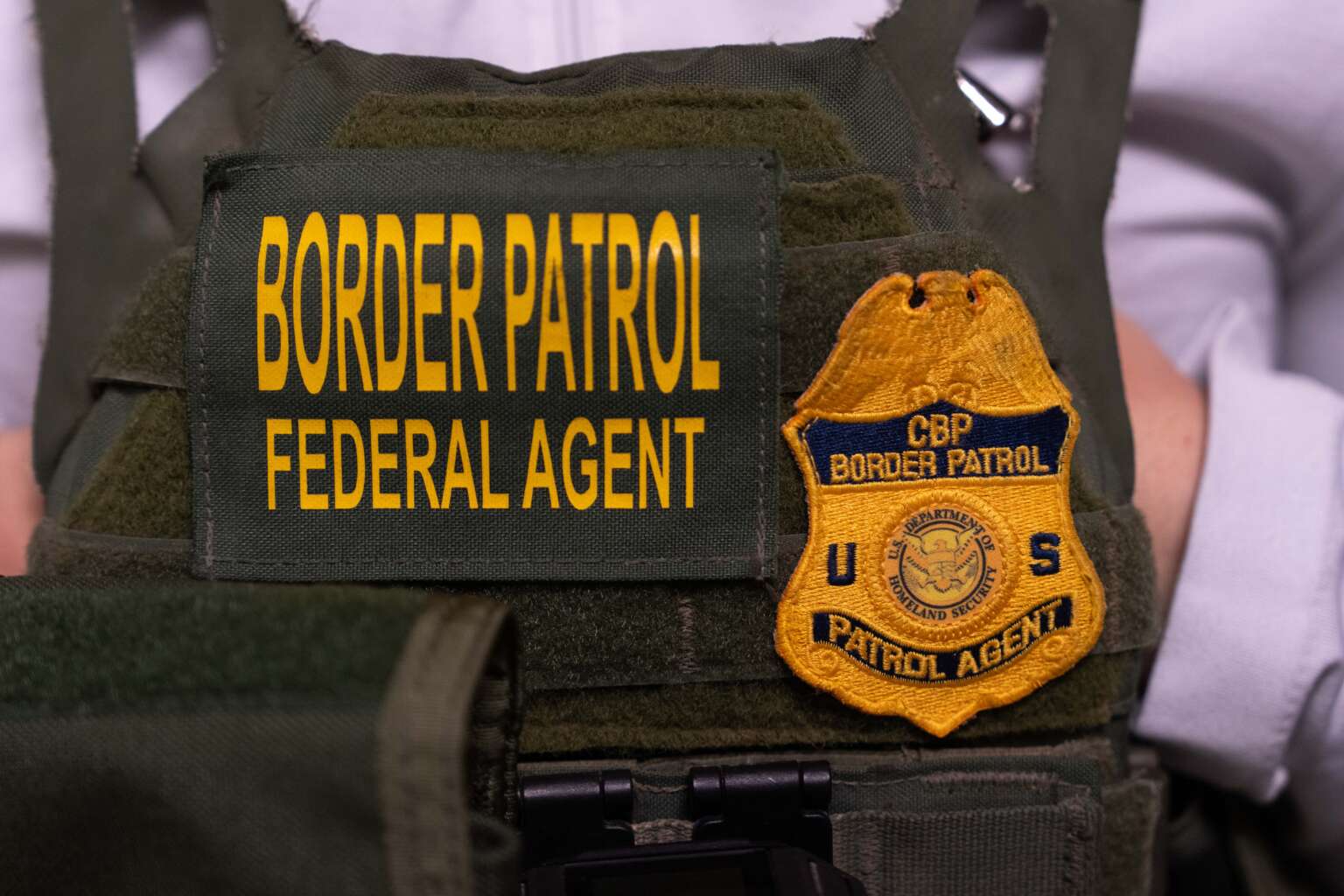
Nurul Amin Shah Alam, a 56-year-old nearly blind Rohingya refugee from Myanmar's Rakhine State, was found dead on a Buffalo street days after U.S. Border Patrol agents dropped him off away from his family.
Sources report he went missing on Feb. 19 and was later located dead in Buffalo.
Family members say agents left him at a coffee shop miles from his home following his release from a county jail, while US Customs and Border Patrol said agents offered him "a courtesy ride" and that he "showed no signs of distress or mobility issues."
Coverage Differences
Narrative Framing
Al Jazeera (West Asian) emphasizes family claims that Shah Alam was dropped at a coffee shop miles from home and quotes local officials calling the decision "inhumane," while International Business Times UK (Western Mainstream) provides more detail on distances and timing — saying he was left at a "doughnut shop roughly five miles from his home" six days before his body was found — and records the medical examiner's ruling. US Customs and Border Patrol's own account, quoted in Al Jazeera, is presented as a rebuttal, saying agents "offered him a courtesy ride" and he showed "no signs of distress or mobility issues."
Source Availability
Some outlets provide a full account of the case while others are not presenting a story at all: the DW snippet in the source list indicates no accessible article text, highlighting differences in coverage or availability across outlets.
Shah Alam return dispute
Family members and local officials stress Shah Alam’s severe disabilities and language barriers, saying he was "nearly blind," "could not read, write, speak English or use electronic devices," and relied on improvised mobility aids, according to reporting.
The family says they were not informed where Border Patrol left him, while the agency maintains it left him near his last known address and says he showed no mobility problems, a direct factual contrast between the accounts.
Coverage Differences
Contradiction
Al Jazeera (West Asian) quotes family members saying Shah Alam "could not read, write, speak English or use electronic devices" and that they "were not told where he had been left." In contrast, Al Jazeera also reports CBP's account claiming agents "offered him a courtesy ride" and that he "showed no signs of distress or mobility issues," which contradicts the family's description of his inability to navigate alone.
Level of Detail
International Business Times UK (Western Mainstream) supplies additional background on Shah Alam’s detention and release timeline — saying he had been held "about 13 months in the Erie County Holding Centre" and was released "on bail on Feb. 19, 2026 under a plea deal his lawyer said was designed to prevent ICE from detaining him," material that Al Jazeera’s excerpt does not mention.
Medical ruling and reactions
The Erie County Medical Examiner identified Shah Alam and, according to International Business Times UK, ruled the cause of death 'health-related, excluding exposure and homicide.'
Buffalo Mayor Sean Ryan called the decision to leave Shah Alam alone on a cold night 'inhumane' and preventable.
Several U.S. representatives have publicly demanded investigations, per reporting.
Coverage Differences
Official Finding vs Political Reaction
International Business Times UK (Western Mainstream) reports the medical examiner's finding that the cause of death was "health-related, excluding exposure and homicide," while Al Jazeera (West Asian) highlights political and civic responses such as Mayor Sean Ryan calling the decision "inhumane" and lawmakers demanding investigations — showing tension between an official medical ruling and public outrage.
Contextual Detail
International Business Times UK adds context about Shah Alam’s arrival and refugee status — noting he and his family "had arrived in Buffalo in December 2024 as Rohingya refugees" and placing his death amid the Rohingya’s broader history of persecution and statelessness, a contextual layer not present in the short Al Jazeera excerpt.
Media coverage differences
Beyond the immediate facts of Shah Alam’s death, the sources diverge on framing and coverage.
Al Jazeera foregrounds the family’s account and local officials’ condemnation.
International Business Times UK adds detention and immigration context and the medical examiner’s ruling.
Alternative-media and meta sources in the dataset (Truthout, dw) stress the need for watchdog reporting and note that coverage availability varies.
Some sources in the list (Financial Express, Newsweek) do not address the case at all in their snippets.
This illustrates how outlets of different types prioritize distinct beats — business IPOs, media membership models, or investigative coverage — which affects what audiences learn about this incident.
Coverage Differences
Tone
Al Jazeera (West Asian) presents the human-impact and family perspective, framing local outrage (quotes: "inhumane"), while International Business Times UK (Western Mainstream) provides procedural context and the medical examiner's technical ruling. Truthout (Western Alternative) emphasizes a broader need for grassroots journalism to hold power to account, implying the importance of deeper investigative work on cases like this rather than transactional coverage.
Missed Information
Business-focused outlets in the source list (Financial Express) and a membership-focused media note (Newsweek) do not include reporting on Shah Alam, demonstrating omissions: Financial Express’s snippet instead covers an IPO and Newsweek’s excerpt promotes a membership program, showing how editorial focus leads to uneven coverage across source types.