South America03 January, 20262 min read
U.S. Captures President Nicolás Maduro, Pledges to Govern Venezuela During 30-Day Transition
This article is an automated aggregation of coverage from news outlets. Our editorials offer in-depth analysis curated by the NewsCord team.
U.S. military conducted a large-scale strike in Caracas, capturing Maduro and his wife. Maduro and his wife were en route to New York after the operation.
Maduro Capture as Regime-Change Milestone
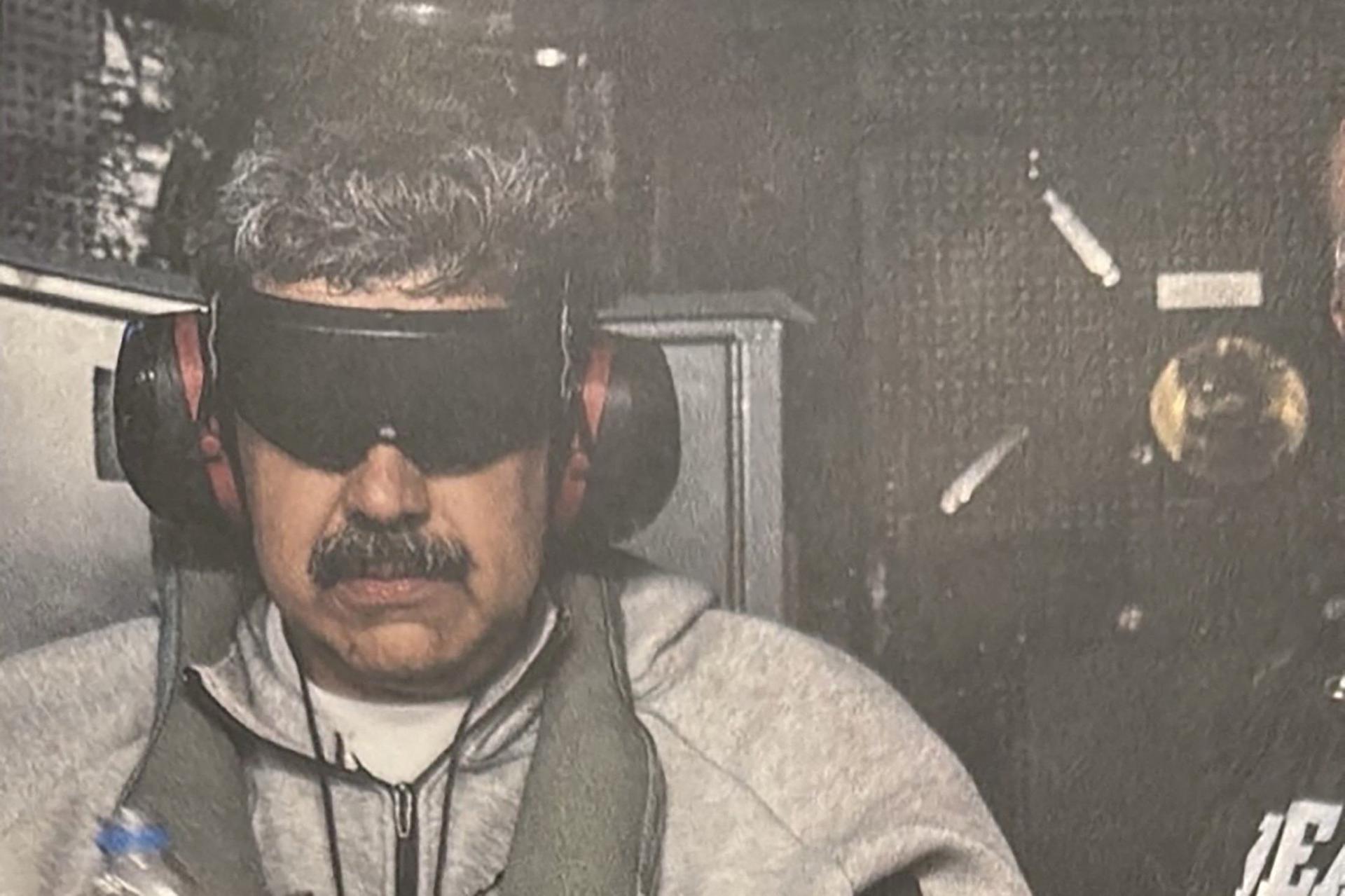
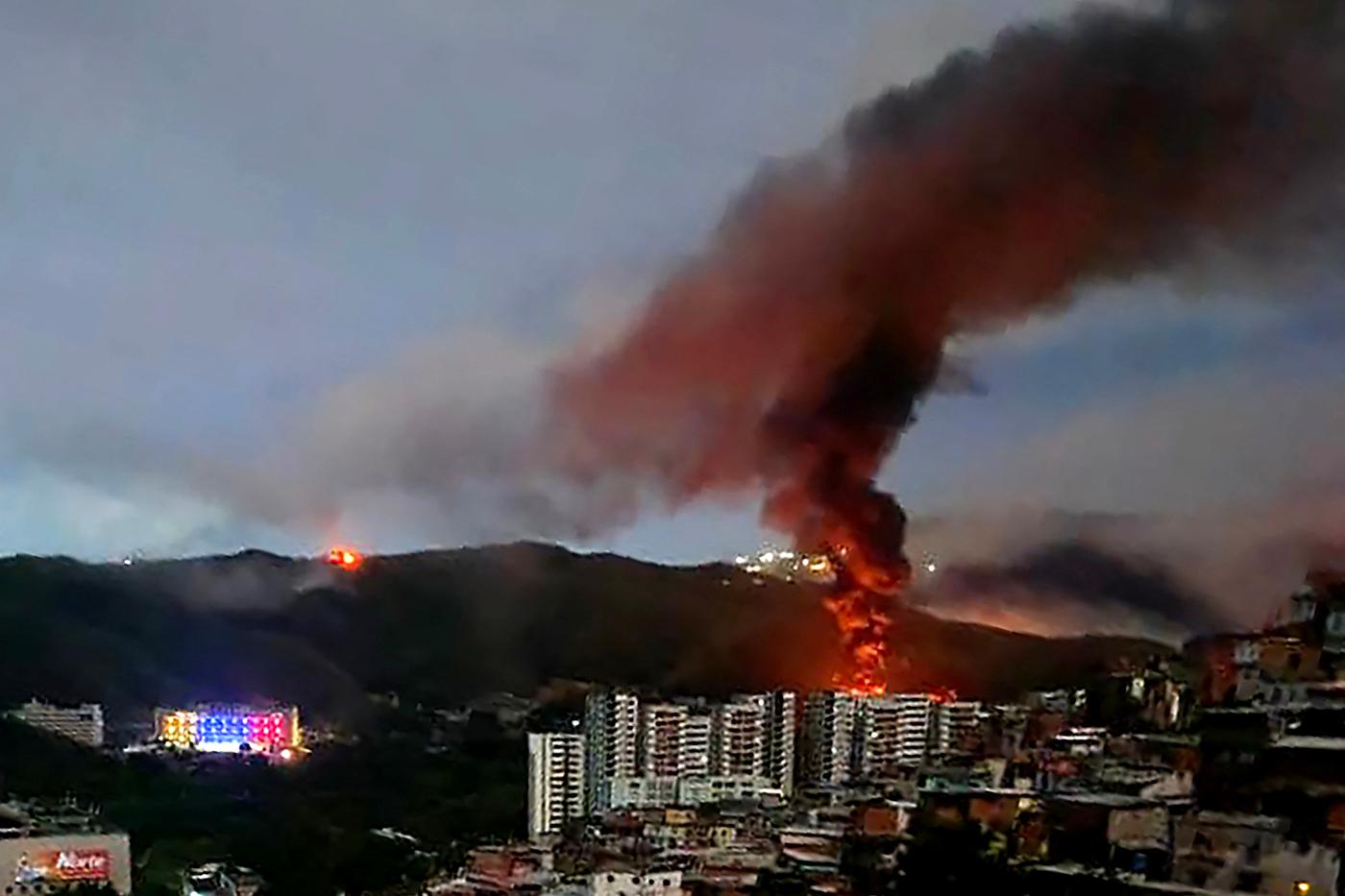
Today's most consequential new development is the capture of Nicolás Maduro and his wife during a U.S.-led strike in Caracas, followed by Washington’s explicit pledge to govern Venezuela through a transitional period. NPR reports Maduro and his wife were taken from their home on a military base and were aboard a U.S. warship en route to New York to face charges. Northeastern Global News describes the operation as a 'large-scale strike' that captured the president and his wife.
“Maduro arrives in New York. What to know about the U.S. operation in Venezuela... Maduro and his wife, Cilia Flores, were taken from their home on a military base and were aboard a U.S. warship on their way to New York, where they were to face criminal charges.”
PBS notes that Maduro and his wife were indicted in the Southern District of New York and are expected to face American justice on U.S. soil. Atlantic Council frames the event as a regime-change moment, signaling a more direct level of U.S. involvement in Venezuela.
Detailed Plan for Venezuela Transition
Beyond the event, the administration has laid out a blueprint for governance that treats regime-change as a process rather than a one-off strike. Atlantic Council notes that 'the United States intends to run the country until a safe and judicious transition takes place' and that the newly installed interim authority must hold elections within thirty days. Delcy Rodríguez has been positioned as interim president; Atlantic Council adds that she is constitutionally obligated to set a 30-day electoral timeline.
A 'team' has been designated to run Venezuela, with U.S. officials indicating security and governance roles around critical infrastructure will be a feature of the transition. NPR highlights the ongoing legitimacy contest by citing Rodríguez's assertion that Maduro remains the president in the eyes of the Venezuelan state, even as U.S. authorities outline a transition plan.
Legal and International Context
Legal and international-law questions are already mounting. NPR notes that questions swirl about the legality of the United States actions and what they imply for both countries.
“Questions are swirling about the legality of the United States's actions and what it means for both countries.”
Northeastern Global News highlights a traditional legal tension: the Ker–Frisbie doctrine could allow U.S. courts to try Maduro if he’s brought to the United States, a precedent that alarms international-law observers. PBS stresses that the legality of the operation is a live question and that American and Venezuelan authorities are calibrating their positions amid international scrutiny.
Risks and Regional Implications
The broader implications are already drawing sharp attention. Atlantic Council argues this is a watershed moment for U.S. regional posture, calling the action the start of a more expansive direct engagement in Venezuela and a de facto regime-change effort in the eyes of many observers.
PBS and NPR frame the events as destabilizing and legally ambiguous, while Spectrum highlights rapid political reaction and calls for accountability. Taken together, these accounts describe a transition moment with high risk—domestically, legally, and regionally—as Venezuela moves toward elections and a new governing framework.
