
US Central Command cripples Iranian threat in Strait of Hormuz
Key Takeaways
- US Central Command says forces struck Iranian coastal missile sites and infrastructure.
- The strikes degraded Tehran's ability to threaten ships in the Strait of Hormuz.
- The report attributes claims to US authorities; independent verification not stated.
US Military Operation
US Central Command has launched strikes against Iranian coastal missile sites and infrastructure.
“BREAKING Trump threatens attacks on Iran's power plants over Hormuz StraitIranian missile attacks on southern Israel wound dozens in Dimona, AradSaudi Arabia declares several Iranian embassy staff persona non grata Click to pause breaking news tickerpause-square-backgroundClose Breaking News Tickerclose Toggle Play US says it has crippled Iranian threat in Strait of Hormuz The head of US Central Command says forces have struck Iranian coastal missile sites and infrastructure, degrading Tehran’s ability to threaten shipping in the Strait of Hormuz, as Washington vows to continue targeting its regional military capabilities”
The command claims to have successfully degraded Tehran's ability to threaten shipping in the Strait of Hormuz.
The military operation comes amid heightened tensions in the region.
Washington has vowed to continue targeting Iran's regional military capabilities.
The Pentagon's assessment suggests these strikes have significantly impaired Iran's naval and missile capabilities.
The strategic waterway handles a substantial portion of global oil shipments through the Persian Gulf.
Regional Escalation
The strikes represent a significant escalation in US-Iranian hostilities.
They came shortly after Iranian missile attacks on southern Israel that wounded dozens in Dimona and Arad.
These developments have created a complex regional security environment.
Multiple conflicts appear interconnected throughout the region.
The timing suggests coordinated military actions may be part of broader strategic calculations.
Both nations appear to be seeking to demonstrate resolve while limiting direct confrontation.
Diplomatic Fallout
Saudi Arabia has responded to heightened tensions by declaring several Iranian embassy staff persona non grata.
“BREAKING Trump threatens attacks on Iran's power plants over Hormuz StraitIranian missile attacks on southern Israel wound dozens in Dimona, AradSaudi Arabia declares several Iranian embassy staff persona non grata Click to pause breaking news tickerpause-square-backgroundClose Breaking News Tickerclose Toggle Play US says it has crippled Iranian threat in Strait of Hormuz The head of US Central Command says forces have struck Iranian coastal missile sites and infrastructure, degrading Tehran’s ability to threaten shipping in the Strait of Hormuz, as Washington vows to continue targeting its regional military capabilities”
This indicates a hardening of diplomatic positions among Gulf states.
The diplomatic action follows the military developments in the region.
It reflects broader regional realignment occurring as nations reassess security relationships.
The Saudi move suggests concern over Iranian activities in the region.
It demonstrates how Hormuz Strait tensions are affecting Middle Eastern diplomatic relations.
Strategic Assessment
US Central Command claims to have 'crippled' the Iranian threat in the Strait of Hormuz.
This suggests a significant reduction in Tehran's naval and missile capabilities.
The long-term effectiveness of these strikes remains uncertain.
Iran has demonstrated resilience in previous conflicts.
Tehran possesses substantial asymmetric warfare capabilities.
The US remains committed to preventing disruptions to global energy supplies.
Freedom of navigation in the Hormuz Strait remains strategically critical.
More on Iran

President Trump Says Iran Deal Within Reach Amid Talks With Senior Iranian Official
10 sources compared

Trump Approves Iran Operation After Netanyahu Presses for Joint Strike on Khamenei
12 sources compared

President Donald Trump orders ICE officers deployed to airports amid DHS shutdown.
227 sources compared
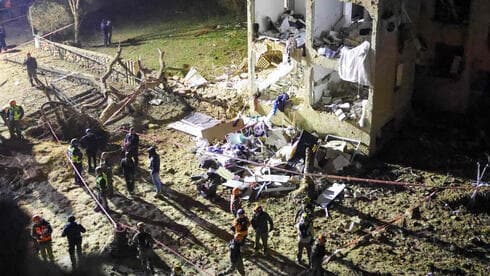
Iranian Missiles Strike Israel; Officials Report 180 Injured Amid Conflicting Casualty Figures.
12 sources compared