USA03 January, 20263 min read
U.S. Coast Guard Suspends Search for Survivors After U.S. Military Strikes Drug-Smuggling Boats in Eastern Pacific
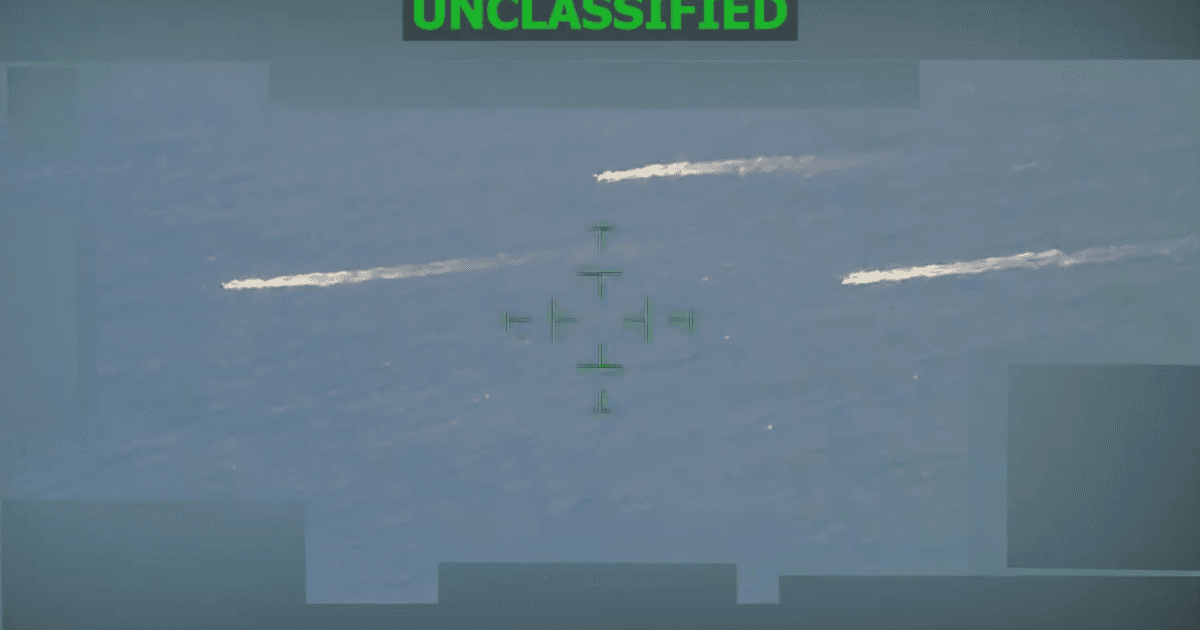
U.S. military struck a convoy of three suspected drug‑smuggling boats in international waters. Strikes killed three people aboard a single targeted vessel.

16 outlets told this the same way.
Outlets did split on Trump Interrupted by Protesters at San Antonio Rally for Ken Paxton →
Coast Guard search suspension
The U.S. Coast Guard announced it suspended active search efforts on Jan. 2 after U.S. military strikes on suspected drug-smuggling boats in the eastern Pacific.
“Capt. Patrick Dill said the Coast Guard halted the operation because of exhaustive efforts, lack of positive indications, declining probability of survival and ‘extremely limited’ resources.”
Authorities cited exhaustive efforts, limited resources and a declining probability of survival after more than 65 hours of searching roughly 400 nautical miles southwest of the Mexico–Guatemala border.

Officials and media also highlighted harsh conditions, including nine-foot seas and 40-knot winds, and the distance of operations.
Capt. Patrick Dill said the Coast Guard halted the operation because of what he described as exhaustive efforts, a lack of positive indications, a declining probability of survival and 'extremely limited' resources.
U.S. reporting noted the search covered more than 65 hours and about 400 nautical miles.
CNN reported the Coast Guard cited limited assets, the distance and poor odds of survival in deciding to suspend active searching after more than 65 hours about 400 nautical miles southwest of the Mexico–Guatemala border.
CBS said the search 'covered more than 1,090 nautical miles with limited assets' and found no survivors or debris.
Disputed boat strike tallies
Reports vary on the number of strikes and casualties.
CNN reported that U.S. Southern Command said at least 10 people were killed and six boats were sunk over three days, and the Defense Department says at least 115 crew members have been killed since the campaign began in September.

CBS described the incident as one of at least 35 U.S. boat strikes in the Caribbean and Eastern Pacific since Sept. 2, which the military says have killed at least 115 people.
Al Jazeera said the actions raise the known total to 33 boat strikes and at least 115 deaths since early September, according to the Trump administration.
The Daily Mail reported 33 boat strikes and at least 110 people killed since early September, according to the Trump administration.
Conflicting reports on strikes
U.S. military statements framed the strikes as targeting drug-trafficking, citing observed transfers and describing some onboard as threats. Other outlets and analysts highlighted gaps in the publicly presented evidence and criticized the lack of precise strike locations. NBC relayed Southern Command's wording that Joint Task Force Southern Spear carried out "kinetic strikes" after observing narcotics transfers and reported that three people described as "narco-terrorists" were killed.
“U.S. Southern Command said on X that Joint Task Force Southern Spear carried out ‘kinetic strikes’ after observing narcotics being transferred among a convoy. Three people described as ‘narco-terrorists’ were killed aboard the first vessel; occupants of two other boats reportedly jumped overboard and subsequent actions sank those vessels.”
The Daily Mail noted SOUTHCOM pointed to a social-media video showing vessels transferring narcotics between them before the strikes. By contrast, Al Jazeera said the military did not disclose the strike location or present evidence, and Firstpost reported that SOUTHCOM refused to reveal where the strikes occurred.
Global Reactions to Strikes
International and political reactions diverge sharply. Gulf News reported monitors condemning the strikes as 'extrajudicial killings and potential war crimes' and said Venezuela accused the U.S. of using the strikes as a pretext for regime change. It also noted Colombian President Gustavo Petro called the killings 'murders' and suspended intelligence-sharing.
WTKR and SSBCrack highlighted domestic U.S. political scrutiny and calls for hearings, with WTKR recounting lawmakers demanding transparency and the U.N. human rights chief urging investigations. CBS noted Colombia's president offered assistance after suggesting survivors may have lived. These varying emphases reflect source type, with regional outlets foregrounding geopolitical and legal critiques while U.S. outlets focus on oversight and operational details.
Rescue and verification limits
Operational specifics underscored limits on verification and rescue. Multiple reports said SOUTHCOM notified the Coast Guard to begin search-and-rescue but did not disclose precise strike locations, which complicated efforts. Firstpost reported that SOUTHCOM refused to reveal the strike location.
“SOUTHCOM notified the Coast Guard to begin search-and-rescue operations but refused to reveal the strike location.”
Task & Purpose described the Coast Guard response as the most extensive U.S. search-and-rescue effort since airstrikes on suspected drug vessels began in September, while NTD and CBS emphasized that exhaustive searching found no survivors or debris. The combination of distance, severe seas and lack of public strike coordinates shaped how outlets assessed the feasibility of rescue and verification.
