South America02 January, 20262 min read
US Conducts Strike on Venezuelan Dock
Venezuela offered to negotiate with the United States on drug trafficking and oil Maduro refused to comment on a reported US/CIA strike on a Venezuelan dock
11 outlets told this the same way.
Outlets did split on Alexandre de Moraes Orders Eduardo Bolsonaro Arrest, Cancels Passport, Enforces Four-Year Sentence →
U.S. strikes on drug boats
U.S. officials announced an operation that the Trump administration says destroyed a docking area used to load drug-smuggling boats and reported additional strikes against vessels tied to alleged cartels. The administration and U.S. military statements count repeated boat strikes since September, bringing known strikes to roughly 35 and reporting at least 114–115 dead, and describe the actions as part of a larger campaign to disrupt drug flows.
“The U.S. military announced strikes on five alleged drug-smuggling boats, bringing known boat strikes to 35 and at least 115 dead, according to the Trump administration; Venezuelans are among the victims.”
Reports also identify Venezuelans among the victims. U.S. briefings and media reporting described these developments as a major escalation in pressure on President Nicolás Maduro and his government.

Maduro on U.S. pressure
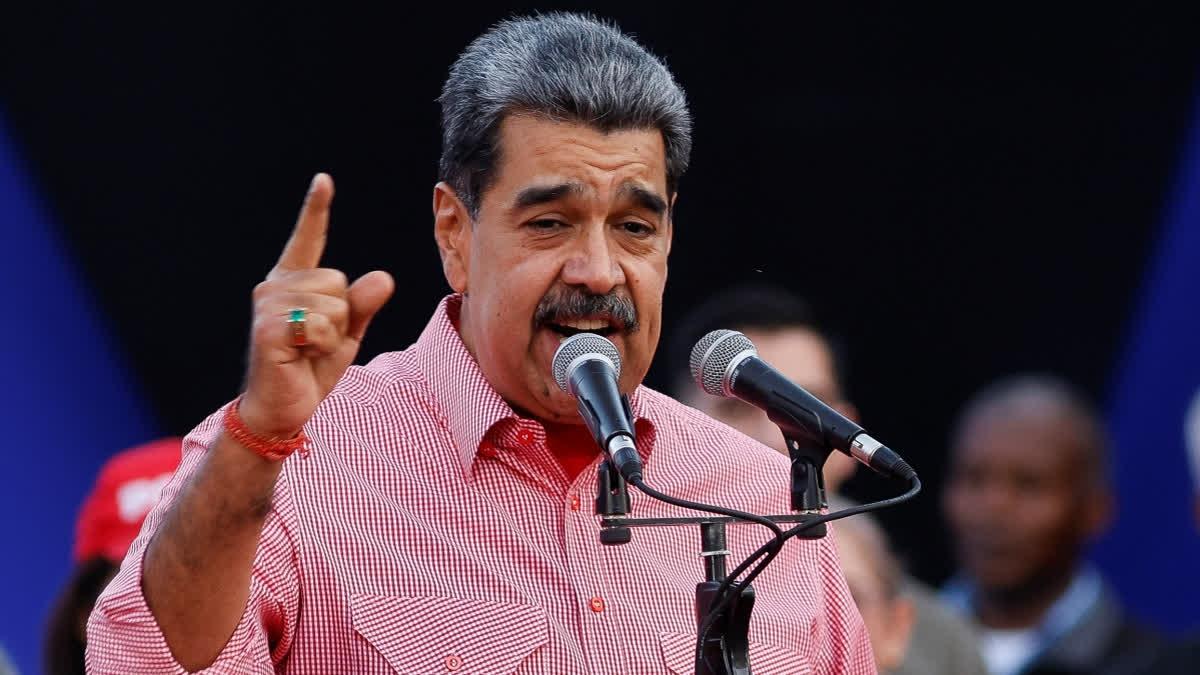
Venezuelan president Nicolás Maduro publicly declined to confirm or deny a reported U.S. strike on a dock. He said the issue could be something to discuss in a few days. He signalled openness to talks with Washington on drugs, oil and migration.
Those remarks aired on state television during a New Year's Eve interview. Maduro also claimed U.S. pressure, including recent military moves, aims to force regime change and seize Venezuela's oil.

Ambiguity Over Dock Strike
There is public ambiguity over who carried out the reported dock strike. President Trump described the strike as having destroyed a loading area used by drug boats but did not say whether it was a military or intelligence operation.
“President Trump confirmed a recent strike but would not say whether it was carried out by U.S. forces or another agency.”
At the same time, two anonymous sources told ABC News that the CIA carried out a drone strike at a docking area last week, which ABC described as the first known U.S. operation on Venezuelan soil in this campaign. Other outlets similarly note that U.S. officials have not publicly detailed the evidence tying the site or boats to drug trafficking.
Human-rights and legal concerns
Human-rights and legal concerns appear repeatedly alongside U.S. descriptions of the campaign. Several accounts note that the administration has not publicly produced evidence linking the struck vessels or the dock to drug-trafficking.
Critics, including legal and rights commentators cited by regional outlets, have warned the strikes risk amounting to extrajudicial killings. The U.S. government rejects those charges and defends the operations as needed to stem narcotics flows and protect U.S. security interests.

Geopolitical tensions over Venezuela
Observers place the strikes in a broader geopolitical pattern. Fox News details a suite of escalatory U.S. measures, including seizing a Venezuelan oil tanker, imposing a blockade, and designating Maduro’s government a foreign terrorist organization.
“U.S. actions against Venezuela have escalated sharply: the Trump administration seized a Venezuelan oil tanker (while an oil company continues exporting Venezuelan crude to the United States), imposed a total blockade on tankers to and from Venezuela, and designated Nicolás Maduro’s government a foreign terrorist organization.”
Outlets such as the South China Morning Post highlight Caracas’s argument that a significant U.S. military presence in the Caribbean reflects an effort at regime change. At the same time, Maduro’s public willingness to negotiate on narcotics, oil, and migration is reported across regional and international outlets, leaving a picture of rising tension alongside overtures to diplomacy.