Africa14 January, 20262 min read
US Delivers Critical Military Supplies To Nigeria’s Military To Escalate Offensive Against Insurgents
This article is an automated aggregation of coverage from news outlets. Our editorials offer in-depth analysis curated by the NewsCord team.
U.S. delivered critical military supplies to Nigerian security forces Delivery occurred in Abuja, announced by U.S. Africa Command on X
7 outlets told this the same way.
U.S.-Nigeria security assistance
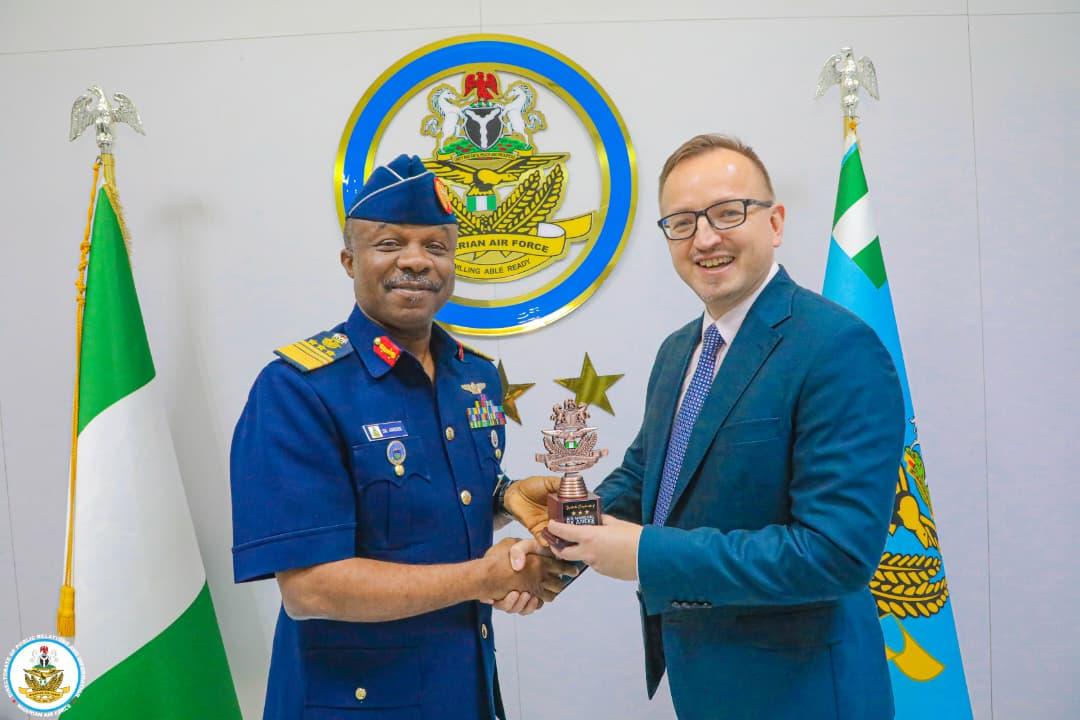
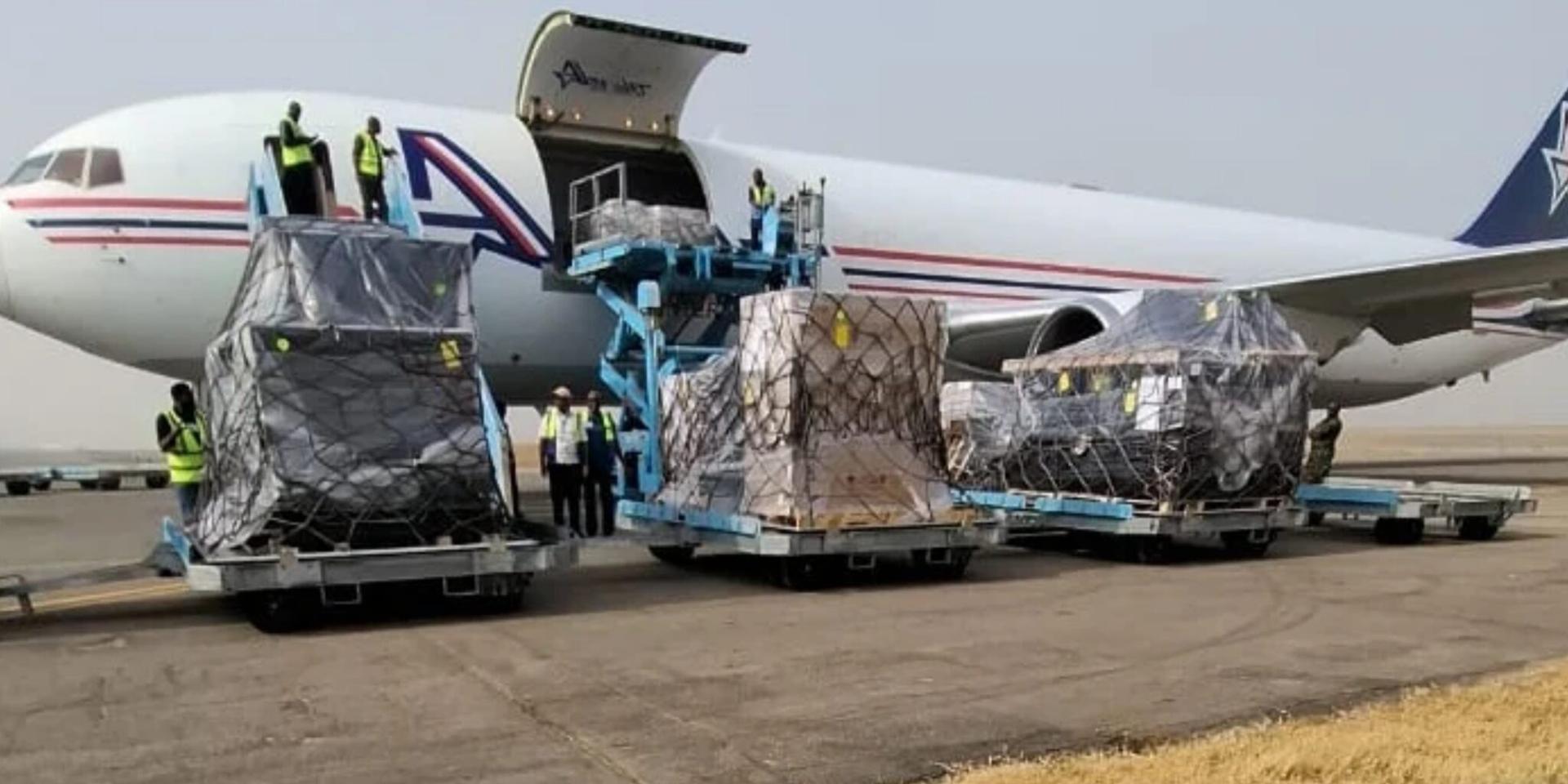
The U.S. Africa Command (AFRICOM) announced that the United States delivered critical military supplies to Nigerian forces in Abuja.
“The US Africa Command (AFRICOM) announced that the United States delivered ‘critical’ military supplies to Nigerian forces in Abuja to deepen bilateral defence cooperation and bolster Nigeria’s operations amid a worsening security crisis.”
AFRICOM said the transfer aims to deepen bilateral defence cooperation and bolster Nigeria's operations amid a worsening security crisis.
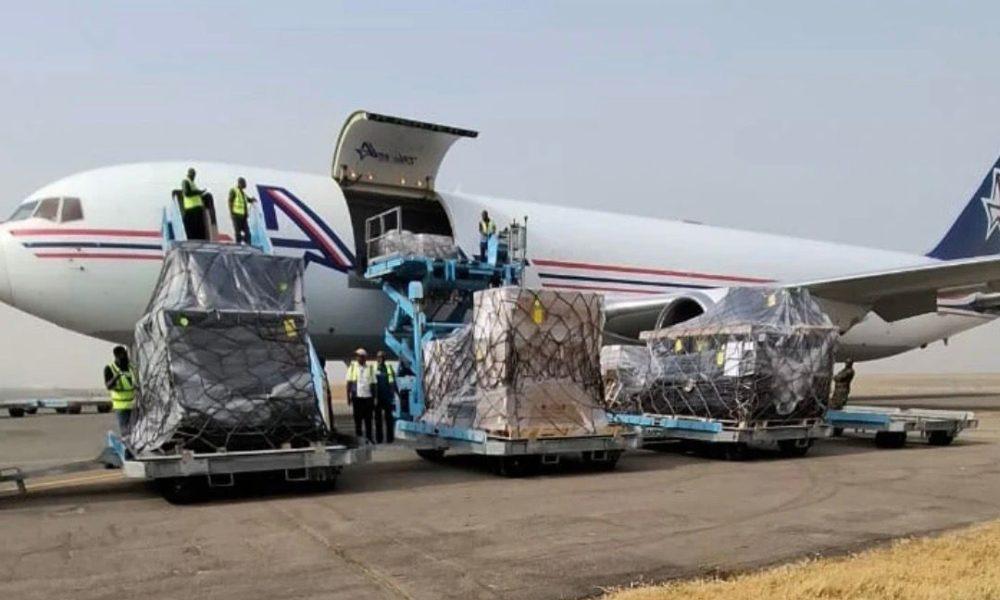
The command framed the shipment as part of a strengthened security partnership between the two countries.
AFRICOM's public messaging, circulated on social platforms and reported by multiple outlets, describes the shipment as reinforcing counter-terrorism efforts.
It said the supplies support intensified operations against bandits, terrorists and other criminal groups in Nigeria.
U.S.-Nigeria security cooperation
Reports link the delivery to an ongoing pattern of operational cooperation. Medafrica Times recalls past U.S. airstrikes coordinated with the Nigerian government.
GistReel places the shipment within a wider package of support, including intelligence sharing, logistics and training, and cites a recent joint AFRICOM-Nigerian operation in Sokoto State on Christmas Day that reportedly killed several terrorists. Independent Newspaper Nigeria provides a briefer, platform-level confirmation of the shipment without those operational details.
Shipment amid scrutiny
The delivery arrives amid political and human-rights scrutiny. Medafrica Times explicitly links the shipment to a period of 'heightened international scrutiny' after U.S. statements alleging that violence in Nigeria amounts to persecution of Christian communities.
“The delivery comes amid heightened international scrutiny after US statements alleging violence in Nigeria amounts to persecution of Christian communities; Nigerian authorities reject claims of genocide or religiously targeted violence, saying insecurity affects both Christians and Muslims and stems from complex socio‑economic and criminal factors.”
The same source reports that Nigerian authorities reject labels such as 'genocide' and instead attribute insecurity to complex socio-economic and criminal drivers affecting both Christians and Muslims. Other outlets (Independent, GistReel) do not mention the controversy in their brief coverage, making the political context less visible in their reporting.
Coverage gaps and editorial notes
Two outlets in the dataset, Abuja City Journal and The Nation Newspaper, did not publish full articles in the provided snippets and explicitly requested the original text or more information. This highlights uneven reporting availability and limits readers' ability to cross-check specifics such as the type, quantity, and intended use of the supplied materiel.
Medafrica Times and GistReel provide context about past strikes and joint operations, while Independent gives a concise AFRICOM announcement and the other two sources note they lack the full copy. The resulting mix of detailed reporting, brief confirmations, and missing articles produces a fragmented public record in the available sources.