USA24 December, 20252 min read
U.S. Denies Entry to Former EU Commissioner Thierry Breton and Four Europeans, Provoking Diplomatic Rift With Brussels
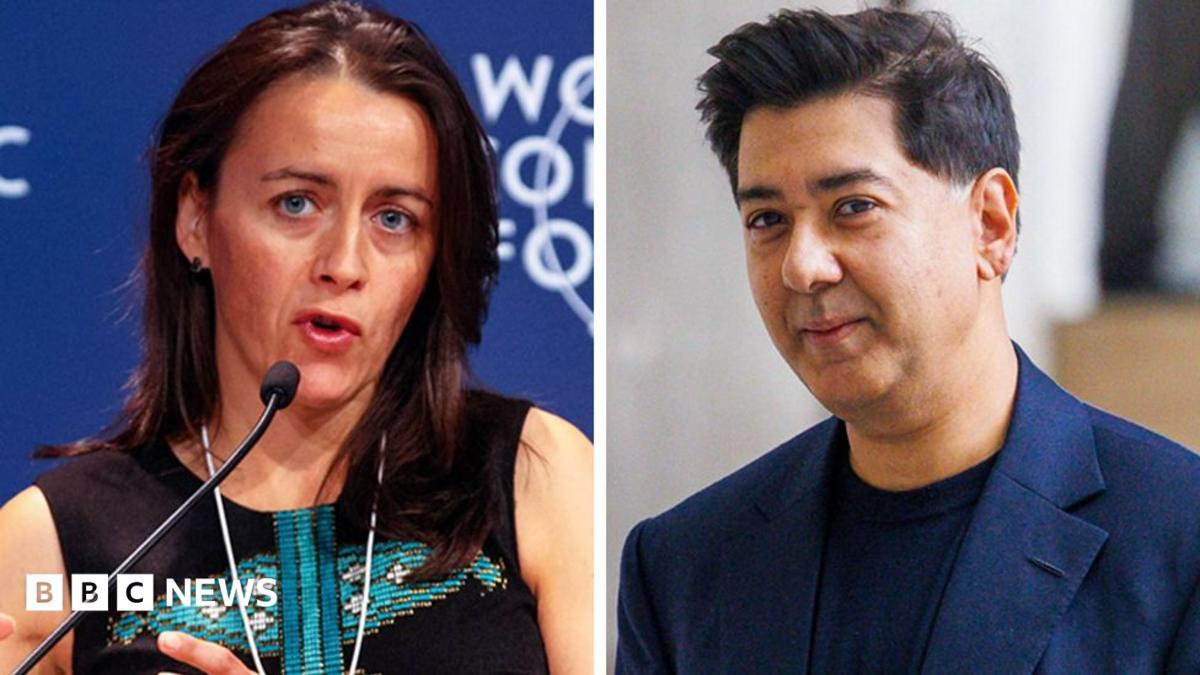
United States denied visas to five Europeans, including former EU commissioner Thierry Breton. U.S. accused them of pressuring American tech firms to censor or suppress U.S. viewpoints.

33 outlets told this the same way.
Outlets did split on Trump Interrupted by Protesters at San Antonio Rally for Ken Paxton →
Visa denials over online censorship
The United States has denied entry visas to five Europeans — former EU commissioner Thierry Breton and four civil-society figures — saying they pressured U.S. social-media platforms to censor or suppress American viewpoints. U.S. officials publicly framed the action under a May policy targeting foreign nationals judged responsible for suppressing free expression. The State Department singled out Breton as a key figure linked to enforcement of the EU's Digital Services Act (DSA), accusing the group of coercing American companies and amounting to censorship.
“The U.S. State Department announced it will deny visas to five people — former EU commissioner Thierry Breton and four civil‑society figures ... accusing them of trying to ‘coerce’ American social‑media companies into censoring viewpoints and of promoting censorship that targets U.S. speakers and firms. The department singled out Breton as the alleged 'mastermind' behind the EU’s Digital Services Act (DSA).”
European reaction to US action
Brussels and several European capitals reacted angrily, defending the DSA as a democratically adopted law and accusing Washington of overreach. French President Emmanuel Macron and the European Commission described the U.S. action as intimidation that undermines European digital sovereignty; Breton rejected that characterization and called the visa denial a "witch hunt," likening it to McCarthyism in some reports. European officials framed the dispute as an attack on the EU's right to regulate platforms within its single market.
U.S. response to activists
U.S. officials, including Under Secretary for Public Diplomacy Sarah Rogers in some reports, described Breton as the DSA’s "mastermind". They said the barred activists used public-interest language and funding to pressure platforms, sometimes alleging they sought to blacklist or demonetize U.S. media.
“U.S. under secretary Sarah Rogers called EU commissioner Thierry Breton the ‘mastermind’ of the EU’s Digital Services Act; Breton rejected the label, saying the law was adopted by all 27 member states.”
State Department language, reported in outlets such as STV News and Semafor, ranged from charging the individuals with "coercion" to labeling them "radical activists" who target American speakers and companies. Domestic outlets presented the U.S. steps as part of a policy to punish perceived foreign interference in U.S. online speech.
Transatlantic platform regulation tensions
The dispute sits against a backdrop of rising transatlantic friction over platform regulation. The EU's Digital Services Act has already produced heavy fines and enforcement actions, most notably a roughly €120 million fine against Elon Musk's X reported in multiple outlets. There have also been public clashes between Breton and tech figures, which U.S. officials cite as evidence of European pressure on platforms.
Several sources warn that visa restrictions risk escalating diplomatic tensions and could complicate cooperation on tech policy. Some reporting also notes related actions, such as paused tech-cooperation talks with the U.K., and broader worries about extraterritorial effects of regional laws.
Media coverage of visa denials
U.S. partisan and some local outlets present the visa denials as a necessary defense of American free-speech norms and praise the administration's use of immigration measures. European mainstream and West Asian outlets emphasize alarm, describe the action as coercive or intimidating, and stress the DSA's democratic mandate.
“The Trump administration has started using immigration restrictions to curb what it calls foreign influence on U.S. online speech, barring five Europeans under a May policy that blocks entry to foreigners judged responsible for censoring protected speech.”
Several sources note ambiguity and disagreement about whether the individuals' actions legally amounted to unlawful censorship or constituted proper public-interest advocacy, and they warn the incident could deepen a broader transatlantic rift over who governs global platforms. Because reporting quotes U.S. officials and European responses differently, readers should note that claims, such as that Breton is the DSA 'mastermind' or that activists 'coerced' platforms, are presented as U.S. allegations and are disputed by the named parties.