
United States Deploys 2,500 Marines to Middle East as Iran Conflict Escalates
Key Takeaways
- Roughly 2,500 Marines and at least one amphibious assault ship deployed to the Middle East.
- CENTCOM ordered deployment to expand options for operations against Iran amid Hormuz attacks.
- USS Tripoli and 31st MEU from Japan heading to the Middle East.
Military Deployment Overview
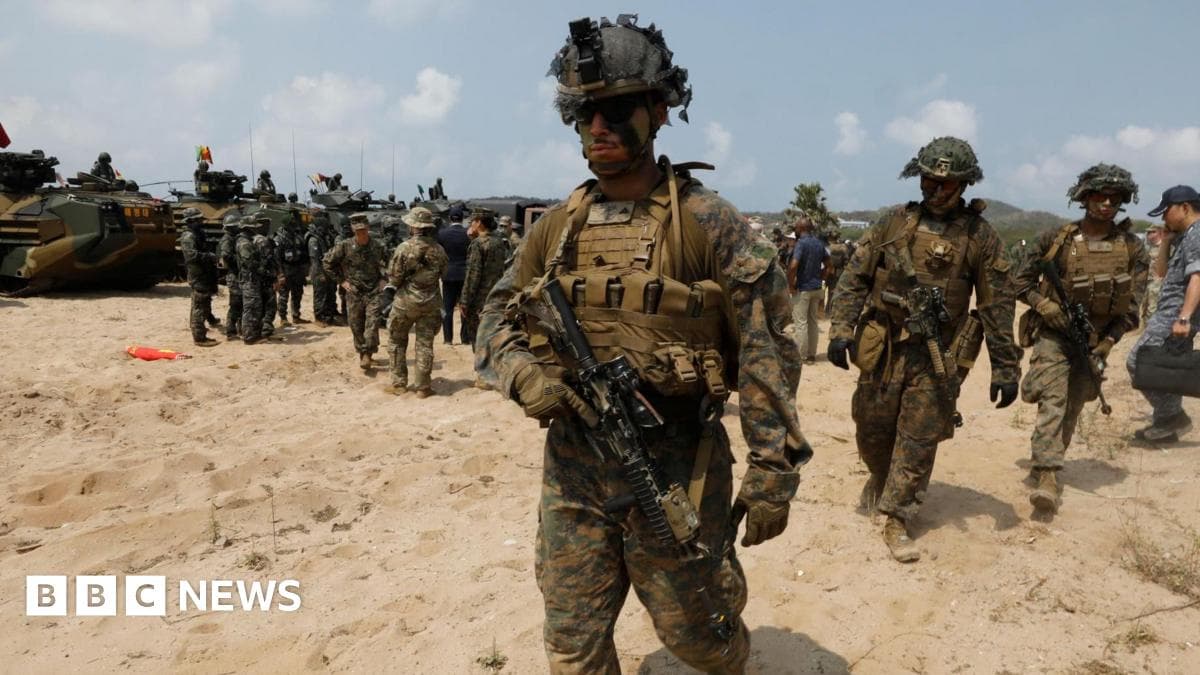
The United States has deployed approximately 2,500 Marines and the USS Tripoli amphibious assault ship to the Middle East in response to escalating tensions with Iran.
“Please contact us for subscription options”
Defense Secretary Pete Hegseth approved the request from U.S. Central Command for this significant military reinforcement.

This deployment comes as the Pentagon seeks to bolster its presence in the region amid ongoing Operation Epic Fury.
The Japan-based USS Tripoli and its Marine Expeditionary Unit represent a major increase in U.S. military capabilities in the region.
The forces bring fast-moving amphibious capabilities, aircraft, and logistical support closer to volatile areas.
The deployment follows Iranian missile and drone strikes that have disrupted global energy markets.
Strait of Hormuz Crisis
The strategic importance of the Strait of Hormuz has become central to this military buildup.
Roughly one-fifth of global oil shipments pass through this narrow waterway.

Iran has effectively closed the vital waterway, paralyzing maritime traffic.
International oil prices have risen above $100 per barrel due to these disruptions.
Iranian authorities have warned they will set fire to any vessel passing through the strait.
Daily attacks on oil infrastructure have occurred across the Gulf, including Saudi Arabia and Oman.
Two people were killed in Oman when drones crashed in the Sohar region.
The United States Treasury Secretary acknowledged disruptions have cost $11 billion.
The US military is planning operations against Iranian anti-ship missiles.
More than 1,000 cargo ships have been blocked from passing through the corridor.
Military Capabilities
The Marine Expeditionary Unit deployment represents a significant military enhancement in the region.
The USS Tripoli carries approximately 20 fifth-generation F-35B vertical takeoff aircraft.
The ship also includes supporting helicopters like MV-22B tilt-rotor transports and AH-1Z Viper attack helicopters.
U.S. officials emphasize the deployment doesn't necessarily indicate an imminent ground operation.
However, the capabilities provide expanded military options including amphibious assaults and raids.
President Trump has signaled the U.S. could provide military escorts for ships in the Strait.
Treasury officials acknowledge escorts could take many days to organize.
Most U.S. military resources are currently allocated to offensive operations in Iran.
The Pentagon is reviewing additional warship deployments for a comprehensive strategy.
This addresses both immediate security concerns and long-term strategic objectives.
Humanitarian Impacts
The deployment comes amid escalating regional violence with significant casualties.
At least 13 U.S. service members have been killed in the conflict.
Six Air Force crew members died when a KC-135 refueling aircraft crashed in western Iraq.
Iranian authorities report more than 1,300 people killed in their country.
Over 600 have died in Israeli attacks on Hezbollah in Lebanon.
Hundreds of thousands have been displaced as explosions rocked Beirut.
The United Nations warns Strait of Hormuz closure could impact humanitarian operations.
Food, medicine, and other supplies face delivery challenges due to shipping disruptions.
France confirmed a drone strike killed a French soldier in Iraq's Kurdistan region.
The humanitarian situation in Gaza has deteriorated as attention shifts to Iran conflict.
Global Economic Impact
The broader strategic implications extend beyond immediate military objectives.
“- Published More US Marines and warships are expected to be deployed to the Middle East, two officials confirmed to CBS News, the BBC's US partner”
Significant economic consequences are visible in global markets.

Brent crude has surged by more than 42% since US-Israeli strikes began on Iran.
Prices rose from $72.48 on February 27 to $103.14 at Friday's close.
Global stock markets have reacted negatively with the S&P 500 falling 0.6%.
The Nasdaq composite finished 0.9% lower with third straight weekly loss.
Trump rejected Putin's offer to move Iran's enriched uranium to Russia.
France is developing plans to form a coalition to secure the Strait of Hormuz.
Iran has allowed exceptions by permitting two Indian-flagged ships to pass through.
The USS Tripoli deployment will take 1-2 weeks to reach the combat region.
More on Iran
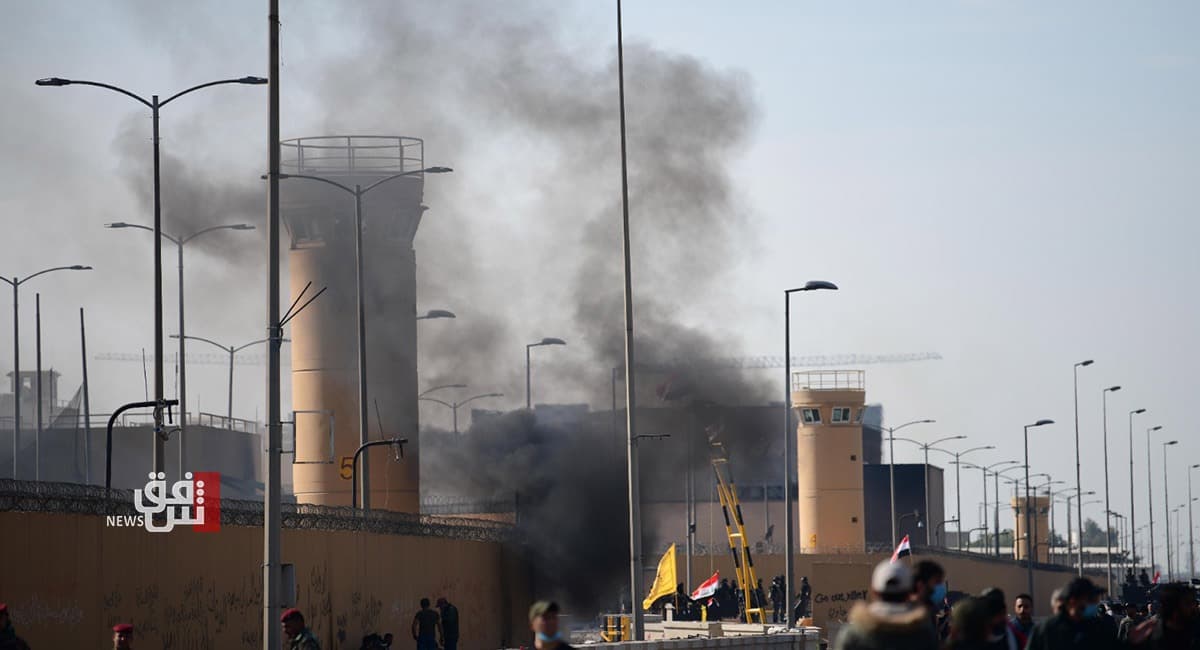
Pro-Iran Group Strikes U.S. Embassy in Baghdad
17 sources compared

Iran vows retaliation after U.S. strike on Kharg Island oil hub
191 sources compared

Iran Threatens UAE Ports, Urges Evacuation as US Strikes Kharg Island
86 sources compared
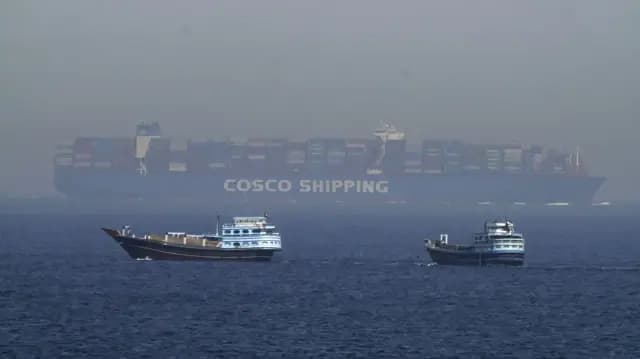
Iran Considers Allowing Limited Oil Tanker Passage Through Strait of Hormuz if Traded in Yuan
10 sources compared