Iran-Israel27 January, 20263 min read
US Deploys Aircraft Carrier Strike Group Near Iran
USS Abraham Lincoln carrier strike group deployed to waters near Iran President Trump said Iranian leaders contacted the U.S. seeking a deal
18 outlets told this the same way.
Outlets did split on U.S. Intercepts Iran Message Activating Sleeper Cells After U.S.-Israel Strike Kills Khamenei →
U.S. Carrier Deployment Near Iran
The United States has dispatched a naval strike group centered on the aircraft carrier USS Abraham Lincoln to the Middle East, a move Washington says expands its offensive and defensive options amid heightened tensions with Iran.
“A U.S. naval strike group, including the aircraft carrier USS Abraham Lincoln, has been dispatched to the region, giving Washington additional offensive and defensive options.”
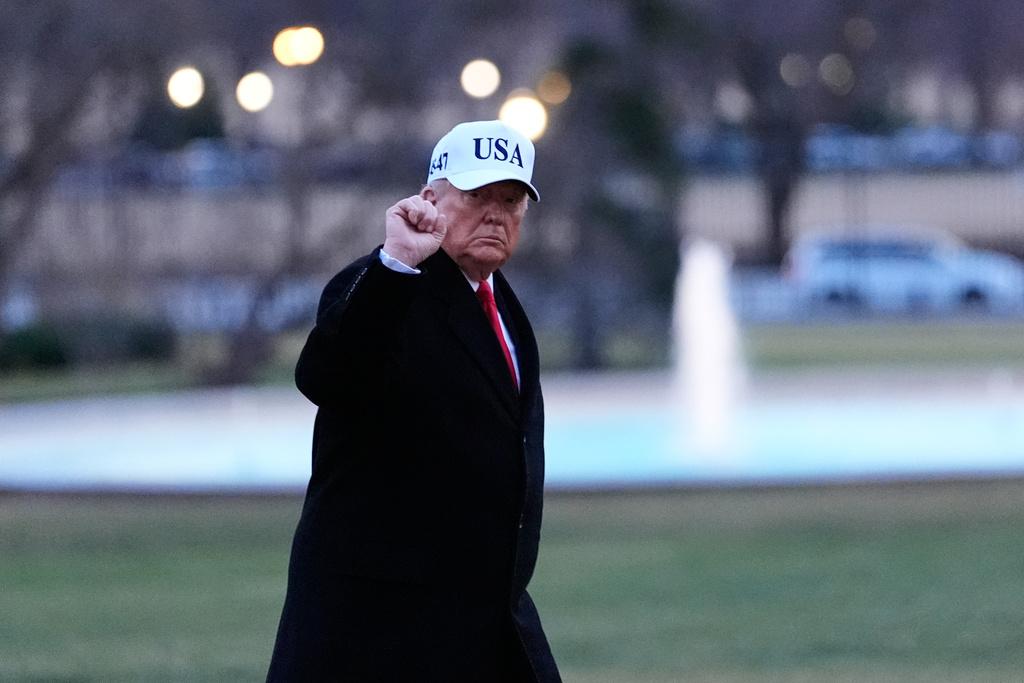
President Trump described the force as 'big armada' and did not rule out military action, while also suggesting Tehran may seek a negotiated de-escalation.

Officials say the decision on strikes remains under consideration pending further military options.
Different outlets frame the posture differently, from CENTCOM's official language about regional stability to presidential remarks that emphasize leverage, but they consistently report the carrier's arrival in the U.S. Central Command area.
Several sources note that the deployment followed other ship movements from the Asia-Pacific and that U.S. officials are weighing options while also signaling openness to talks if Iran knows the terms.
U.S. regional military buildup
Reporting varies in detail but converges that the USS Abraham Lincoln arrived with escort vessels and joined other U.S. forces in CENTCOM’s area of operations.
Some outlets enumerate a full carrier strike group and air-wing capabilities.

Other reports note forward-deployed U.S. Air Force squadrons operating in the region.
Tracking data cited by alternative outlets show additional U.S. Air Force transport and tanker flights into Middle East bases.
Coverage also notes nearby naval positioning, including destroyers near the Strait of Hormuz.
Taken together, the reporting underscores a buildup that combines naval, air and logistical elements.
Iran protests and reporting
The deployment comes against the backdrop of nationwide protests in Iran and widely divergent casualty tallies reported by various outlets and agencies. Exiled groups such as the Human Rights Activists News Agency (HRANA) are cited with figures ranging roughly from 5,000 to over 6,000 dead in some reports.
“Iranian exile group HRANA says thousands have been killed (reports in the article give figures ranging from about 5,000 to more than 6,000) and tens of thousands arrested; those numbers cannot be independently verified.”
Iranian officials have published a substantially lower toll just above 3,000, while other media compilations cite still higher or unverified counts. Reports also note the government's extensive internet restrictions during the unrest, and Cloudflare data shows web traffic at roughly 30% of normal, which complicates independent verification of casualties and arrests.
U.S.-Iran diplomatic contacts
While the U.S. has signaled readiness to act, multiple reports say diplomatic contacts have continued in parallel. Several outlets report that Iranian officials have tried to reach U.S. counterparts and that a White House official said Washington is 'open for business' if Tehran knows the terms. Other reporting notes ad hoc contacts between Iranian and U.S. envoys without a fixed channel.
Tehran, for its part, has accused foreign interference in the unrest and warned of strong responses to any attack. Both sides have traded warnings even as officials keep communication lines intermittently active.

U.S. options and reporting uncertainties
Analysts and regional reporting underline risks and constraints that shape U.S. choices, noting that President Trump delayed a planned strike amid allied pressure and the absence of a decisive option. Reports also highlight regional limits on operations — for example, the UAE barring use of its territory for strikes — and warn of potential economic disruption if chokepoints like the Strait of Hormuz are affected. Outlets stress that many casualty and operational details remain disputed and unverified, underscoring the fog of reporting when communications are restricted and when sources differ on both numbers and intent.
“Trump has postponed a planned strike last week after pressure from regional allies and because no ‘decisive’ option was found, and has asked aides for options that could topple the Iranian regime without triggering a wider conflict.”