South America25 October, 20252 min read
US Deploys Aircraft Carrier Strike Group to Caribbean, Escalating Military Pressure on Venezuela
This article is an automated aggregation of coverage from news outlets. Our editorials offer in-depth analysis curated by the NewsCord team.
USS Gerald R. Ford aircraft carrier deployed to Caribbean to combat drug trafficking. Venezuelan President Maduro accuses US of fabricating conflict and escalating tensions.

10 outlets told this the same way.
Outlets did split on Alexandre de Moraes Orders Eduardo Bolsonaro Arrest, Cancels Passport, Enforces Four-Year Sentence →
US Military Deployment in Caribbean
The Trump administration has moved the USS Gerald R. Ford carrier strike group into the Caribbean/Southern Command area.
“The Trump administration announced the deployment of a major U.S. Navy aircraft carrier strike group to the Latin American region, marking the largest U.S. military buildup there in decades.”
The mission is framed as an expanded crackdown on drug trafficking.

Multiple outlets describe this as the largest U.S. military buildup in the region in decades.
Reports vary on the precise makeup and scale of the deployment.
Some note the Ford-led group includes eight warships, a nuclear-powered submarine, and F-35 fighters.
Others cite a package of about eight ships and a nuclear submarine with roughly 6,000 personnel.
Some specify five accompanying destroyers as part of the group.
Coverage consistently situates the deployment near Venezuela.
Mainstream outlets emphasize both counter-narcotics aims and broader regional security concerns.
U.S. Strikes on Smuggling Vessels
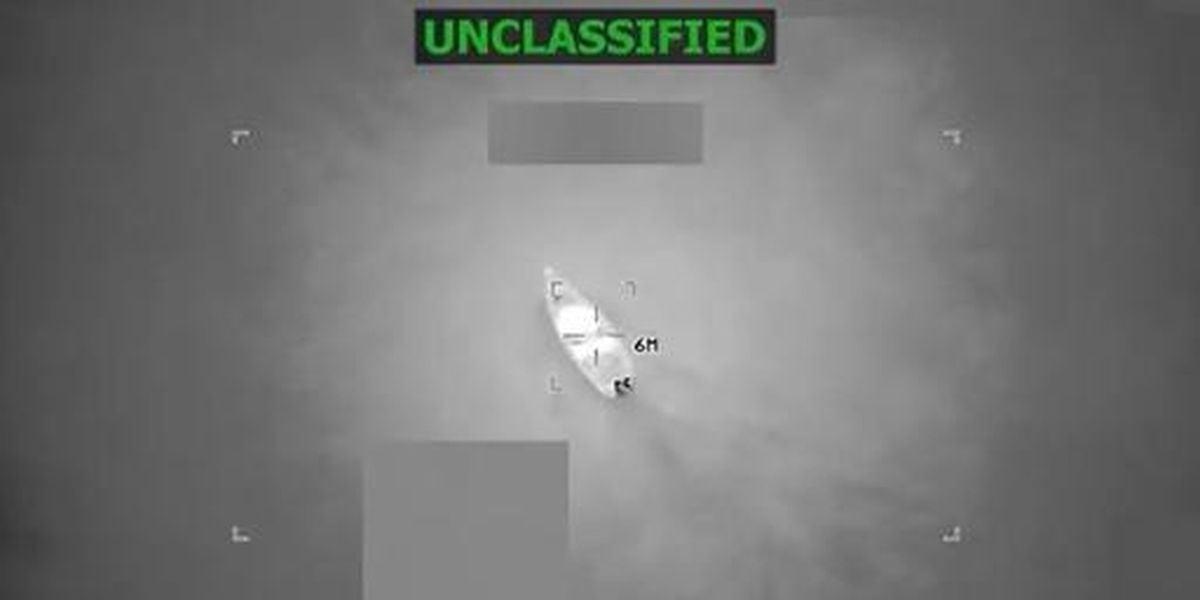
Operational activity around the deployment has already been lethal and expansive, with reports of U.S. air and maritime strikes on suspected smuggling vessels alongside bomber flights near Venezuela’s coast. One Western mainstream account tallies 43 killed across 10 boats in ongoing lethal strikes, while a West Asian outlet reports a separate nighttime strike from the Ford’s task force that killed six men the U.S. links to the Tren de Aragua gang.
Other outlets note multiple airstrikes on drug-trafficking ships and say these actions have drawn condemnation from UN officials and international law experts for extrajudicial killings. U.S. officials have escalated rhetoric and comparisons to the post-9/11 “war on terror.”
Venezuela's Response to U.S. Actions
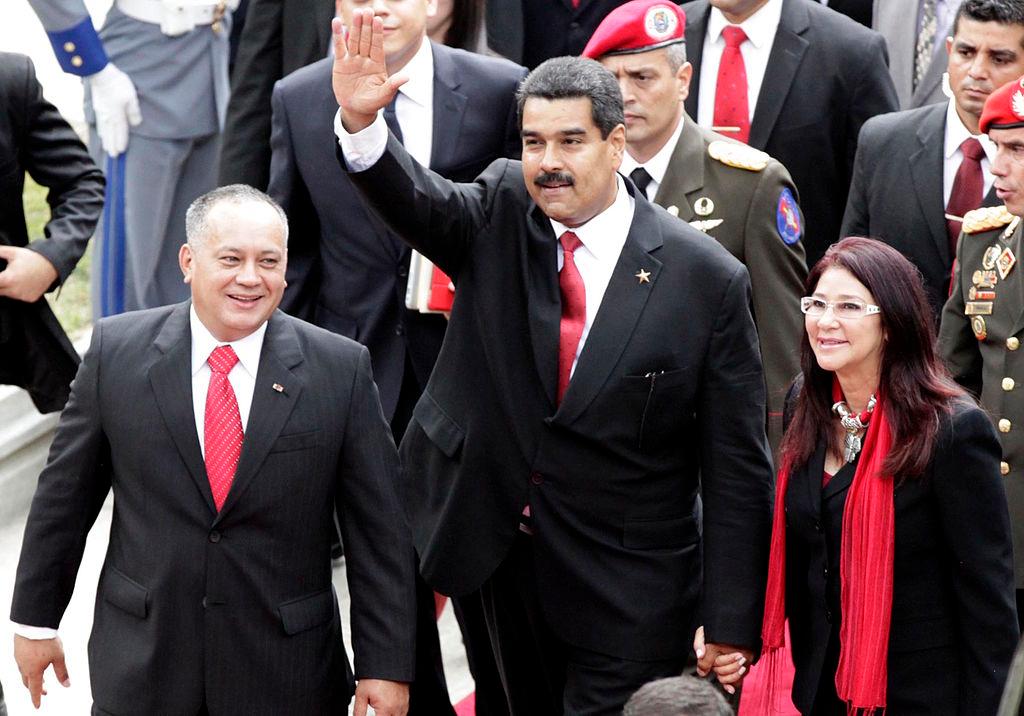
Venezuela portrays the U.S. buildup as a regime-change threat and an illegal act. Caracas has strengthened Russian-made air defenses, staged exercises, and mobilized the Bolivarian militia with calls for mass enlistment. Other accounts claim that "millions" of militia members are being mobilized.
“Venezuela views the US actions as a direct threat aimed at regime change. Maduro has strengthened Venezuela’s air defenses with Russian-made missile systems, conducted military exercises, and mobilized the Bolivarian militia, calling for mass civilian enlistment.”
Maduro publicly pleaded for peace and accused Washington of fabricating a war under a counter-narcotics pretext and violating international law. He also asserted readiness to defend Venezuela with thousands of Russian-made surface-to-air missiles.
Disputed U.S. Security Operations
Claims, evidence, and intent are sharply disputed. The Pentagon’s stated purpose is to enhance detection and disruption of illicit activities threatening U.S. security. Other reporting notes that Washington’s accusations that Maduro collaborates with narco-terror groups lack evidence and are reportedly disputed by U.S. intelligence.
Additional skepticism centers on the absence of public proof that targeted vessels were involved in drug trafficking. Analysts question whether the operation’s true intentions extend beyond drug interdiction.
Regional Military Tensions and Risks
The regional stakes are rising as observers warn of possible land operations and broader destabilization. Analysts say the deployment—reportedly including strategic bombers and stealth fighters—could presage a land attack, turning the Caribbean into a flashpoint. Maduro urges South Americans to resist an “invented” war.
“Analysts warn the US military presence, including strategic bombers and stealth fighters, suggests preparation for a potential land attack rather than just anti-drug operations.”
Trump has signaled he could proceed without congressional approval and warned that land operations against cartels could follow. Other accounts note hints of a ground operation and mounting legal and regional backlash.
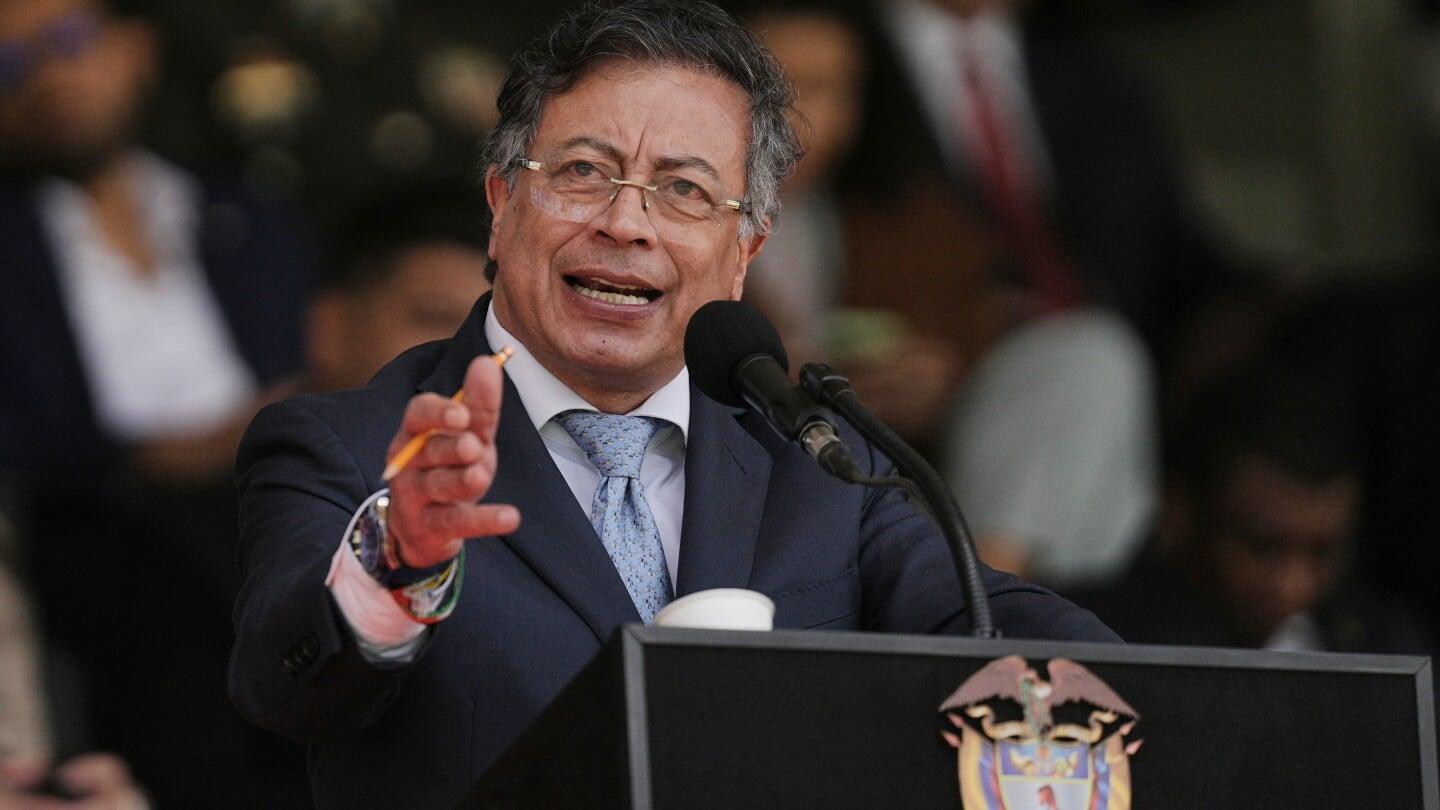
Beyond Venezuela, some reporting highlights sanctions and suspended payments targeting Colombia amid a war of words with President Gustavo Petro. There are regional fears that intervention could destabilize South America.