USA23 October, 20253 min read
US Deploys B-1 Bombers and CIA Agents to Escalate Military Pressure on Venezuela
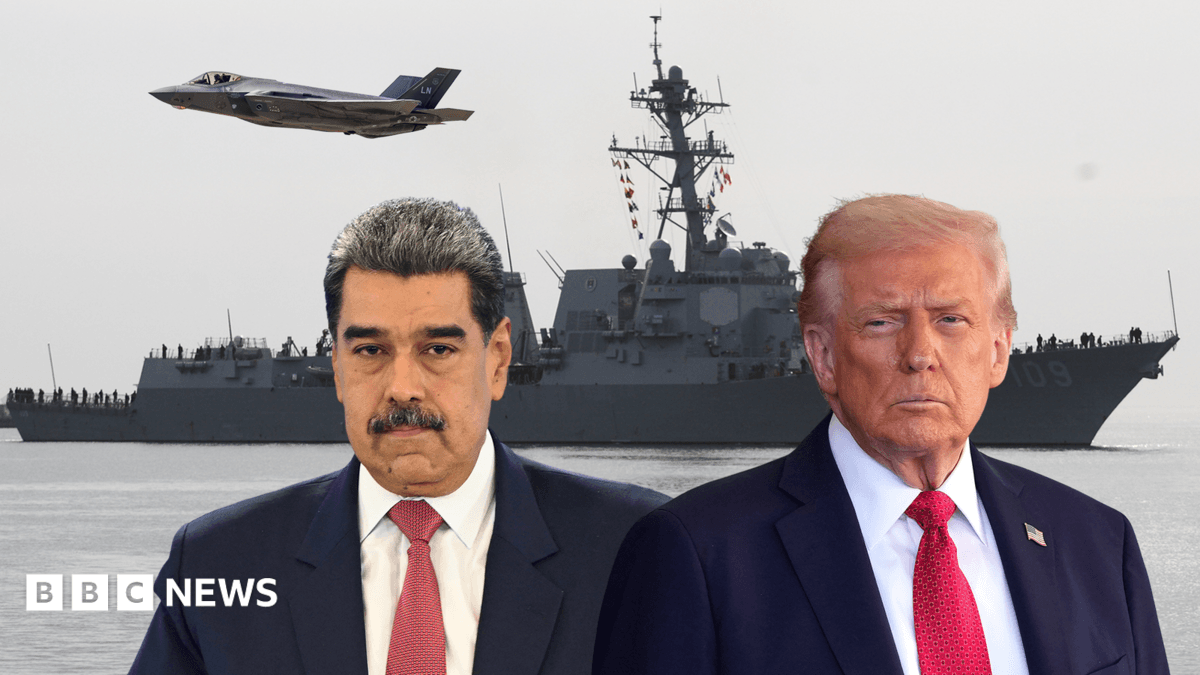
The U.S. deployed B-1 supersonic bombers near Venezuela for military training exercises. The Trump administration increased the bounty for Nicolás Maduro’s capture to $50 million.
12 outlets told this the same way.
Outlets did split on Trump Interrupted by Protesters at San Antonio Rally for Ken Paxton →
US Military Pressure on Venezuela
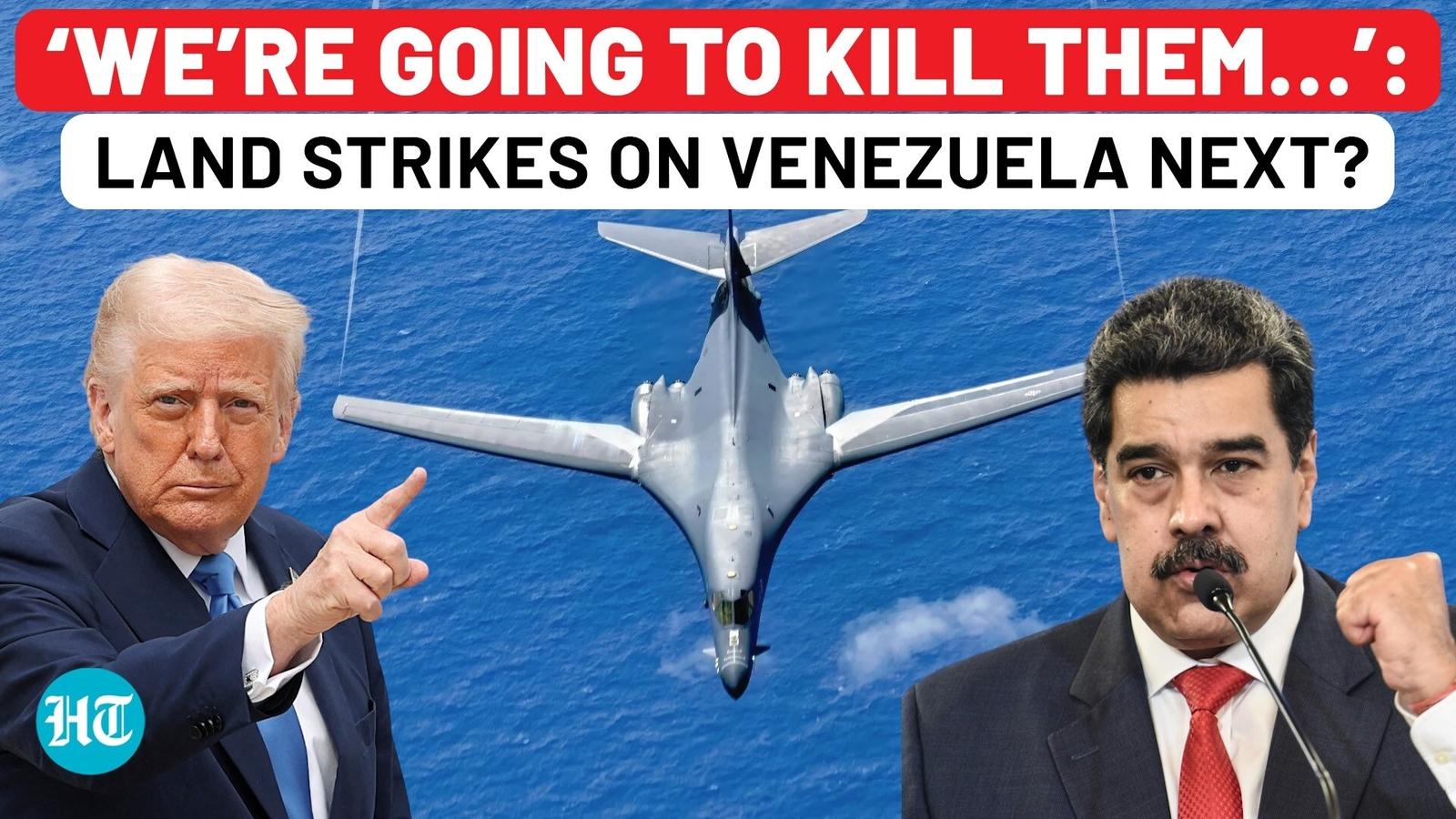
The United States has increased pressure on Venezuela by flying B‑1 Lancer bombers near its coast and significantly boosting military and intelligence activity across the Caribbean. Local Western and Asian outlets report that the Pentagon described the flights as “routine training exercises” launched from Texas and flown close to Venezuelan shores, without confirming entry into Venezuelan airspace.
“The Pentagon stated that the bombers took off from Dyess Air Force Base in Texas and conducted routine training exercises over the Caribbean Sea near Venezuela.”
Western mainstream coverage highlights a broader military build‑up around Puerto Rico and Trinidad and Tobago, with advanced aircraft and special operations support vessels indicating heightened surveillance and potential strike capability. Some Asian outlets further report secret CIA authorization for covert lethal operations inside Venezuela, portraying the deployments as part of a campaign aimed at pressuring or removing President Nicolás Maduro.
Maritime Counterdrug Operations
Beyond the bomber flights, reporting details an expanding campaign at sea and in the air framed around counternarcotics but with escalating lethality and scale. Western mainstream coverage notes a second U.S. strike killing three people on suspected drug vessels. Asian outlets and local Western sources say there have been multiple strikes since September, with at least nine strikes killing 37 people off Venezuela.
Satellite imagery and on-the-record reporting describe a substantial force package including guided-missile cruisers, the special operations mothership MV Ocean Trader, and aircraft such as F-35s, B-52s, B-1s, MQ-9s, and P-8s. This large military footprint has raised questions among analysts about why such extensive resources are needed for maritime drug interdiction. Some outlets also note that former President Trump asserted his legal authority for these operations and hinted at possible future land actions.
US Strategies on Maduro
Competing narratives frame Washington’s objectives regarding Venezuela. Some sources argue that the narcotics rationale conceals a broader regime-change effort. SSBCrack reports a $50 million bounty for information leading to Maduro’s capture.
“The U.S. has increased its bounty for information leading to Venezuelan President Nicolás Maduro’s capture to $50 million, aiming to prompt defections within his inner circle.”
Analysts see the 'drug war' narrative as hiding attempts to destabilize Maduro’s government alongside authorized CIA operations. Asian financial media quotes U.S. officials comparing the campaign to the post-9/11 'war on terrorism' and linking Maduro to narcoterrorism charges. Local Western coverage emphasizes support for opposition leader Juan Guaidó, sanctions over abuses, and Trump’s denial of intervention plans.
Western mainstream analysis adds historical context of CIA interventions in Latin America. It also notes that officials have been vague about direct action authorizations against Maduro.
Regional Military Activities Overview
Regionally, reports describe rising tensions and shifting postures. Asian outlets say Venezuela has launched military exercises and that Trinidad and Tobago is cooperating with U.S. forces. Western mainstream coverage places the U.S. build-up around Puerto Rico and Trinidad and Tobago in a broader surveillance and special operations context.
Multiple sources note the B-1 bombers flew close to Venezuelan shores, but officials have not disclosed or confirmed airspace entry. Other reporting tallies a sizable U.S. maritime-air package, including cruisers, special operations support ships, bombers, drones, patrol planes, and even a submarine.
US Military Actions in Venezuela
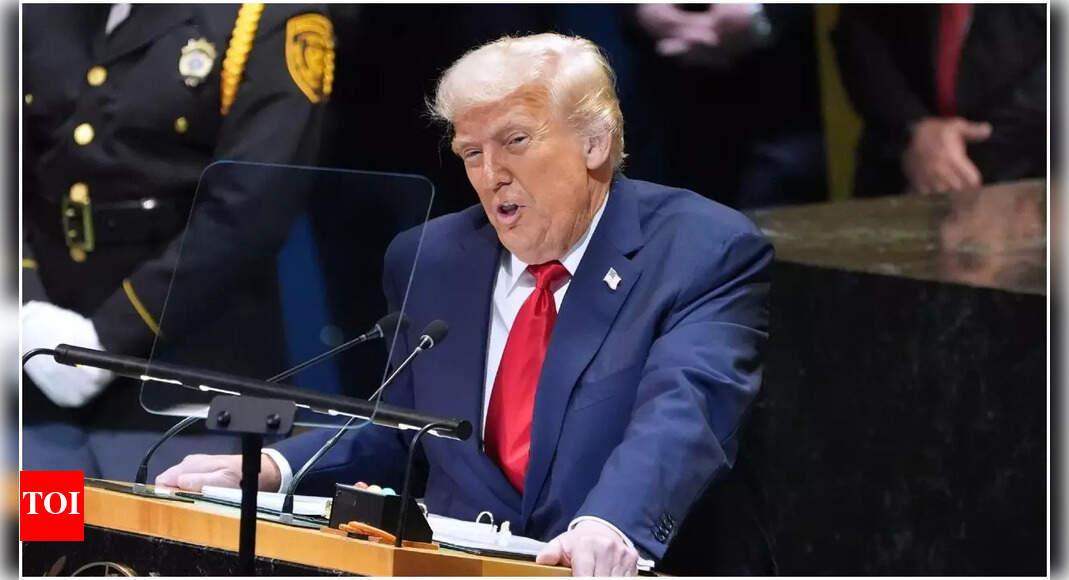
Legality, authorization, and intent remain contested across sources. Western mainstream reporting describes increased U.S. military and intelligence activity amid concerns over legality. Officials have been vague about authorizing direct actions against Maduro, even as Trump hinted at possible land operations.
“The overall picture is one of increased US military and intelligence activity in the region amid concerns over legality and political implications.”
Asian outlets report that Trump asserted legal authority for strikes and indicated potential land operations. Local Western coverage adds that Trump denied bomber deployments and warned against external military involvement to avoid regional instability.

This contrasts with other outlets that directly report the B‑1 flights. Asian sources additionally claim secret CIA authorization for covert lethal operations inside Venezuela, underscoring unresolved questions about scope and oversight.