South America23 November, 20252 min read
US Deploys Naval and Air Forces Near Venezuela, Signals Imminent New Phase of Operations
This article is an automated aggregation of coverage from news outlets. Our editorials offer in-depth analysis curated by the NewsCord team.
U.S. FAA warned airlines of risks over Venezuela, citing heightened military activity and GPS jamming. U.S. deployed aircraft carrier strike group, warships, F-35s, bombers and thousands of troops near Venezuela.

26 outlets told this the same way.
Outlets did split on Alexandre de Moraes Orders Eduardo Bolsonaro Arrest, Cancels Passport, Enforces Four-Year Sentence →
U.S. buildup near Venezuela
U.S. forces have massed a significant naval and air presence in the Caribbean near Venezuela, and U.S. officials told Reuters the Trump administration is preparing a new phase of operations that could begin within days, though timing and presidential sign-off remain unclear.
“The US has massed major naval power in the Caribbean — including the carrier Gerald R. Ford (arriving Nov. 16), its strike group, at least seven other warships, a nuclear submarine and F‑35s — while diplomatic talks continue and may influence the timing or scope of operations.”
Reporting identifies the aircraft carrier Gerald R. Ford and its strike group, additional warships, a nuclear submarine and F-35s among the assets deployed.

Officials say the buildup is linked to counter-narcotics objectives, but it also raises the prospect of pressure on President Nicolás Maduro’s government.
The FAA has issued an advisory urging caution in the Maiquetía Flight Information Region because of a 'potentially hazardous situation' from heightened military activity.
Several international carriers have suspended flights.
U.S. actions toward Venezuela
U.S. actions at sea and in the air have included strikes on suspected drug-running vessels. Multiple outlets report at least 21 strikes since September that they say killed 83 people. Human-rights groups call these actions illegal extrajudicial killings, and some U.S. allies have expressed concern about possible breaches of international law.
At the same time, U.S. officials and reporting allege that Maduro's government is involved in drug trafficking, allegations Maduro denies. Washington has used legal and financial tools such as a $50 million reward increase and, according to some outlets, the designation of networks linked to Venezuela as terrorist organizations.
FAA advisory flight impacts
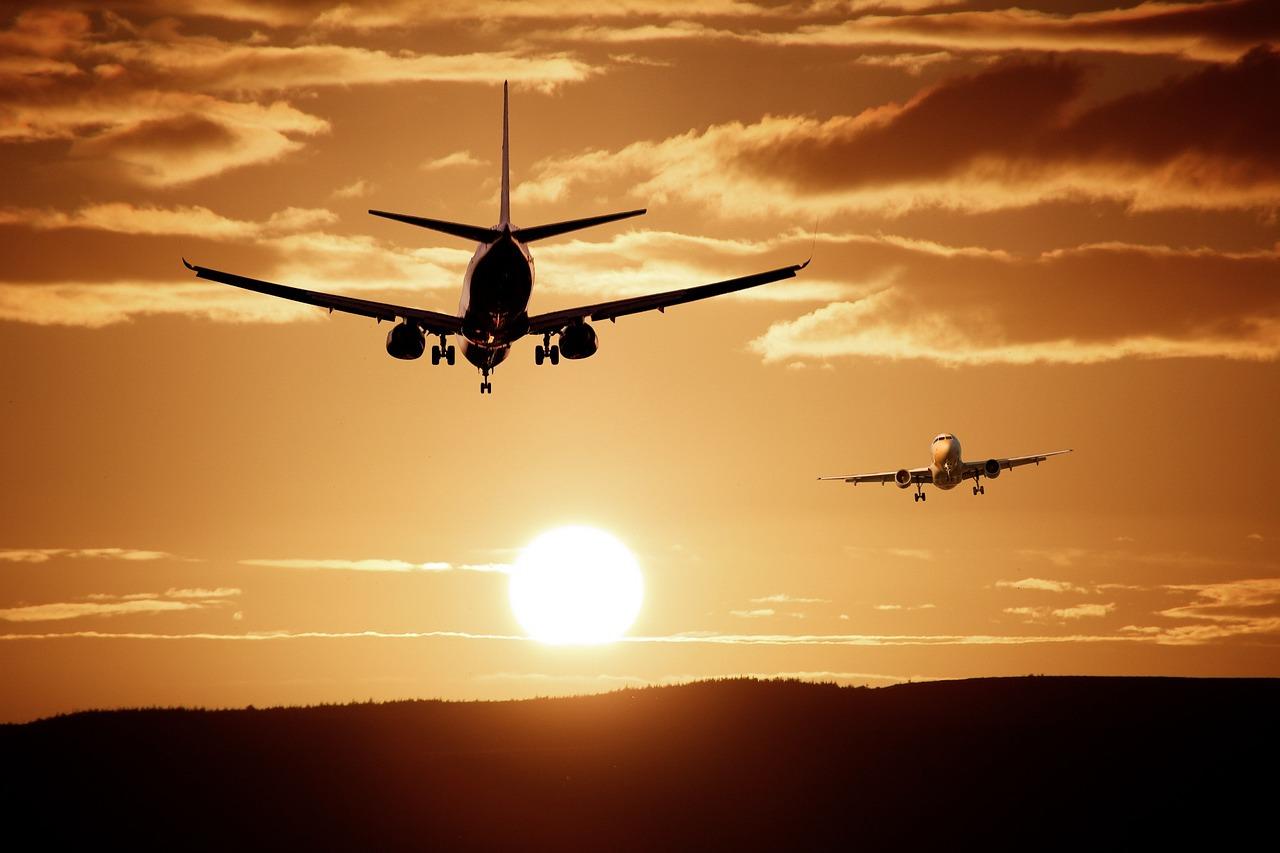
The FAA advisory has immediate commercial consequences: multiple carriers, including Spain’s Iberia, Portugal’s TAP, Chile’s LATAM, Colombia’s Avianca, Brazil’s GOL and Trinidad and Tobago’s Caribbean, suspended flights after the watchdog warned of 'heightened military activity' and possible threats to aircraft at all altitudes. The advisory also requires 72 hours' notice for flights to or from Venezuela. It flagged increased GNSS (GPS) interference in the Maiquetía Flight Information Region since September, a technical hazard some notices say can affect aircraft out to roughly 250 nautical miles.
“Six airlines — Spain’s Iberia, Portugal’s TAP, Chile’s LATAM, Colombia’s Avianca, Brazil’s GOL and Trinidad and Tobago’s Caribbean — have suspended flights to Venezuela after the U.S. Federal Aviation Administration warned of dangers from ‘heightened military activity’ and possible threats to aircraft at all altitudes.”
Venezuelan government reactions
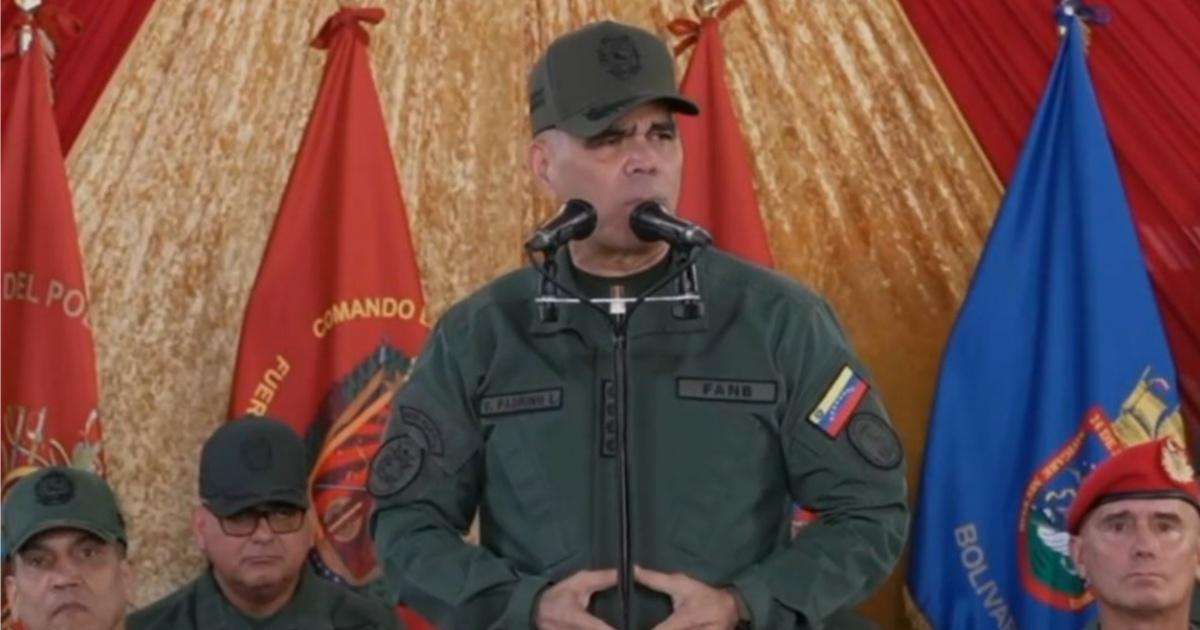
Venezuelan authorities and regional observers responded defensively. Maduro's government denies involvement in drug trafficking and accuses the U.S. of seeking to remove him. Venezuelan military officials rejected foreign "maneuvers, exercises and deployments" near their territory.
The Venezuelan Airlines Association (Alav) said it could not provide a timeline for suspended services. Some local reporting highlighted Maduro's public appearances, such as dancing in a video, which media cited when covering his domestic posture.
Risks and reporting gaps
Analysts and rights groups warn the buildup, strikes, and legal designations raise risks of escalation, legal controversy, and diplomatic strain. Livemint and CNN highlight regional stability concerns and allies' unease about the scale of force relative to the stated counter-narcotics mission, while tabloid and some outlets emphasize dramatic operational details and policy tools that could broaden U.S. military options. Reporting beyond these snippets is inconsistent on whether a presidential authorization to expand operations has been signed, and several outlets explicitly state uncertainty about timing and legal thresholds.
“The article reports a growing military buildup in the region alongside escalating tensions between the United States and Venezuela, raising concerns about regional stability, heightened diplomatic strain, and the risk of further confrontations.”