South America17 November, 20252 min read
U.S. Designates Maduro-Run 'Cartel de los Soles' as Foreign Terrorist Organization
This article is an automated aggregation of coverage from news outlets. Our editorials offer in-depth analysis curated by the NewsCord team.
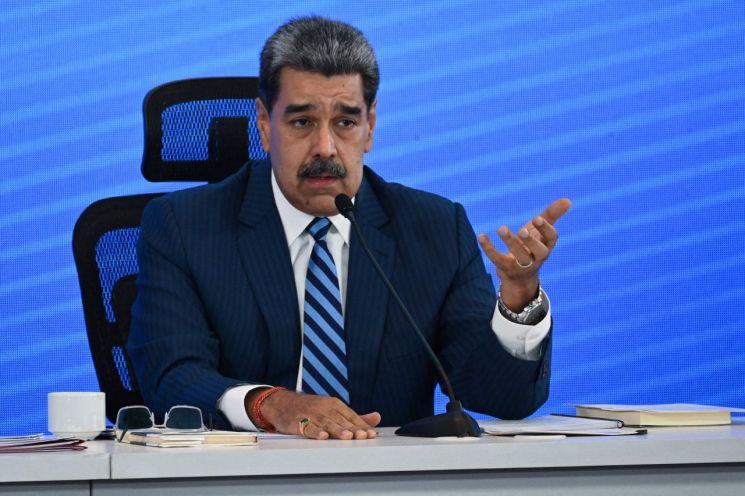
U.S. will designate Cartel de los Soles as a Foreign Terrorist Organization on November 24 U.S. alleges the cartel is headed by President Nicolás Maduro and senior Venezuelan officials
37 outlets told this the same way.
Outlets did split on Alexandre de Moraes Orders Eduardo Bolsonaro Arrest, Cancels Passport, Enforces Four-Year Sentence →
Venezuela cartel designation
On Nov. 16, the U.S. State Department announced plans to designate Venezuela’s so‑called 'Cartel de los Soles' as a Foreign Terrorist Organization (FTO), with the designation set to take effect Nov. 24 unless Congress intervenes.
“The State Department plans to designate Venezuela’s Cartel de los Soles as a Foreign Terrorist Organization, a move set to take effect on Nov. 24 unless Congress intervenes.”
U.S. officials say the label will bar Americans from providing material support, block identified members from entering the United States, expand sanctions authority, and give the administration broader legal tools to deny the group resources.

The State Department and administration officials framed the move as part of a broader campaign that follows earlier Treasury action this summer and other narco‑terror listings.
Allegations against Venezuelan officials
The U.S. alleges the 'Cartel de los Soles' is run by Venezuelan President Nicolás Maduro and senior regime officials and has infiltrated state institutions, cooperating with regional criminal groups such as Tren de Aragua and Mexico's Sinaloa Cartel to traffic drugs and carry out violence. Senior U.S. officials including Secretary of State Marco Rubio have publicly tied named Venezuelan figures to the network, and the administration has announced rewards for information leading to arrests of top officials. Caracas has rejected the charges and some analysts caution that publicly available evidence varies in strength.
FTO listing implications
Legally, the FTO listing is being processed under section 219 of the Immigration and Nationality Act and builds on an earlier Treasury Department designation this summer. U.S. officials and many reports note that an FTO listing criminalizes material support, enables asset freezes and immigration restrictions, and expands the tools available to disrupt financing and logistics.
“The designation, authorized under Section 219 of the Immigration and Nationality Act, expands federal powers to prosecute the group and to block its funding and resources.”
The administration has argued the label will allow it to use 'all available tools' to counter narco-terrorists. Legal analysts and some outlets caution, however, that an FTO designation does not automatically grant carte blanche for lethal military operations and that enforcement overseas depends on partners and legal interpretation.
U.S. Caribbean military actions
The announcement coincided with a heightened U.S. military posture in the Caribbean and a series of strikes on vessels the Pentagon says were smuggling narcotics, which the Pentagon frames as counter‑drug and counter‑narco‑terrorism measures.
U.S. officials point to deployments such as the carrier USS Gerald R. Ford and multiple strikes; reports say those strikes have killed dozens and drawn criticism over evidence and legality.
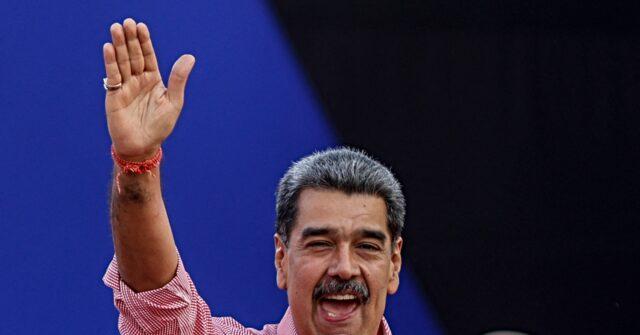
Caracas denounced the designation and the increased U.S. presence as regime‑change pressure, and analysts warn the move risks escalating regional tensions.
Contested Cartel de Soles
Observers and analysts in the region remain divided about whether 'Cartel de los Soles' denotes a single hierarchical cartel or a diffuse network of corrupt officials and military-linked cells. Some experts, including Phil Gunson of the International Crisis Group, call the term a journalistic shorthand, while others point to indictments, convictions and operational links as evidence. Regional leaders, academic analysts and organized-crime specialists offer competing narratives — from an organized narco-cartel run by regime figures to a broader pattern of state capture and corruption that facilitates trafficking — and that division shapes both policy framing and international response.
“Phil Gunson of the International Crisis Group said ‘Cartel de los Soles’ is a journalistic label for alleged state-linked trafficking and described drug routes through the Orinoco, clandestine airstrips and flights from Apure that he says would be impossible ‘without direct involvement from above.’”