
US Destroys 16 Iranian Minelayers Near Strait of Hormuz
Key Takeaways
- U.S. destroyed multiple Iranian vessels near the Strait of Hormuz.
- Sixteen Iranian mine-laying vessels were destroyed.
- Iran vowed to block the waterway carrying 20% of global oil exports.
What happened
U.S. forces said they destroyed 16 Iranian mine-laying vessels near the Strait of Hormuz in operations that followed rising tensions in the region; coverage notes the attacks occurred amid claims and denials about Iranian mine-laying activity and questions over attribution.
“DUBAI, United Arab Emirates (AP) — The U”
The Atlanta Journal-Constitution reported that U.S. forces “destroyed 16 mine-laying Iranian vessels, though President Donald Trump said in social media posts that there were no reports of Iran planting explosives in the Strait of Hormuz,” highlighting a contested factual picture.
The same reporting places the strikes in a broader pattern of escalatory incidents in the Gulf and surrounding theatres that have drawn international attention.
If readers need assistance accessing full reports of these developments, local outlets provide subscriber support for follow-up queries.
Conflicting claims
U.S. and White House statements show a degree of internal contradiction on the facts and public messaging: while the Department of Defense framed the strikes as a response to Iranian mine-laying, the article records President Trump posting that there were “no reports of Iran planting explosives in the Strait of Hormuz,” underscoring divergent public claims about what provoked the action.
Reporting also noted Pentagon and U.S. military communications about troop injuries and the operational context for strikes, placing those messages alongside presidential social-media commentary.
Market impact
The strikes reverberated across commercial and energy markets, with regional shipping and energy firms responding to heightened risk.
“DUBAI, United Arab Emirates (AP) — The U”
The Atlanta Journal-Constitution cites industry and regional sources reporting that “Saudi Arabia's oil giant says tankers being rerouted to avoid Strait of Hormuz,” and coverage flags that longer-term market and logistical consequences were a central concern for Gulf producers and global energy markets.
The pieces collectively show how military actions in the Strait can produce immediate commercial ripples beyond the battlefield.
Casualties noted
The human and military toll was also highlighted: the Atlanta Journal-Constitution piece reported broader casualty and injury figures tied to the wider conflict, noting at one point that the Pentagon said “140 US troops wounded since war began,” and described multiple regional reports of deaths and injuries tied to cross-border escalations.
Those accounts place the mine-layer strikes within a pattern of sustained hostilities that have produced both military and civilian suffering across multiple countries in the region.
Uncertainty and gaps
Reporting on the operation reflected uncertainty and fragmented sourcing: coverage combined defense briefings, presidential posts, regional statements and industry notices, and at points the reporting emphasized contradictions and the difficulty of independently verifying specific allegations about mine-laying activities.
“DUBAI, United Arab Emirates (AP) — The U”
Readers and analysts are left with competing narratives — a U.S. operational claim of destroying mine-laying vessels, presidential social-media denials of on-the-record planting, and market reactions — and the articles make clear some facts remain contested or unclear.
More on Iran
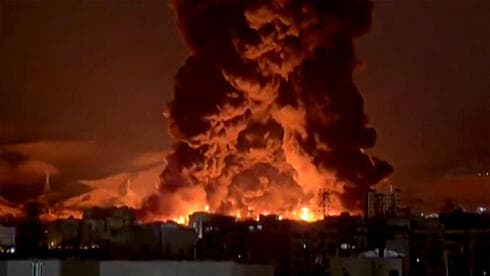
US obliterates military targets on Iran’s Kharg Island, Trump warns
13 sources compared

US Deploys About 2,500 Marines to Middle East After Iran Attacks Gulf Shipping
33 sources compared
FBI Warns of Iranian Drone Plot Based on Unverified Tip; California Says No Credible Threat
10 sources compared

White House Demands ABC Retract Report Claiming Iran Sought To Launch Drone Attacks On California
11 sources compared