US Ends Iran Talks Without Deal, Announces Blockade of Iranian Ports
Key Takeaways
- Islamabad talks lasted 21 hours and ended without a deal; Tehran refused Washington’s terms.
- US to blockade Iranian ports beginning Monday, impeding ships entering or departing.
- Pakistan urged both sides to uphold ceasefire and facilitate dialogue.
Talks Collapse
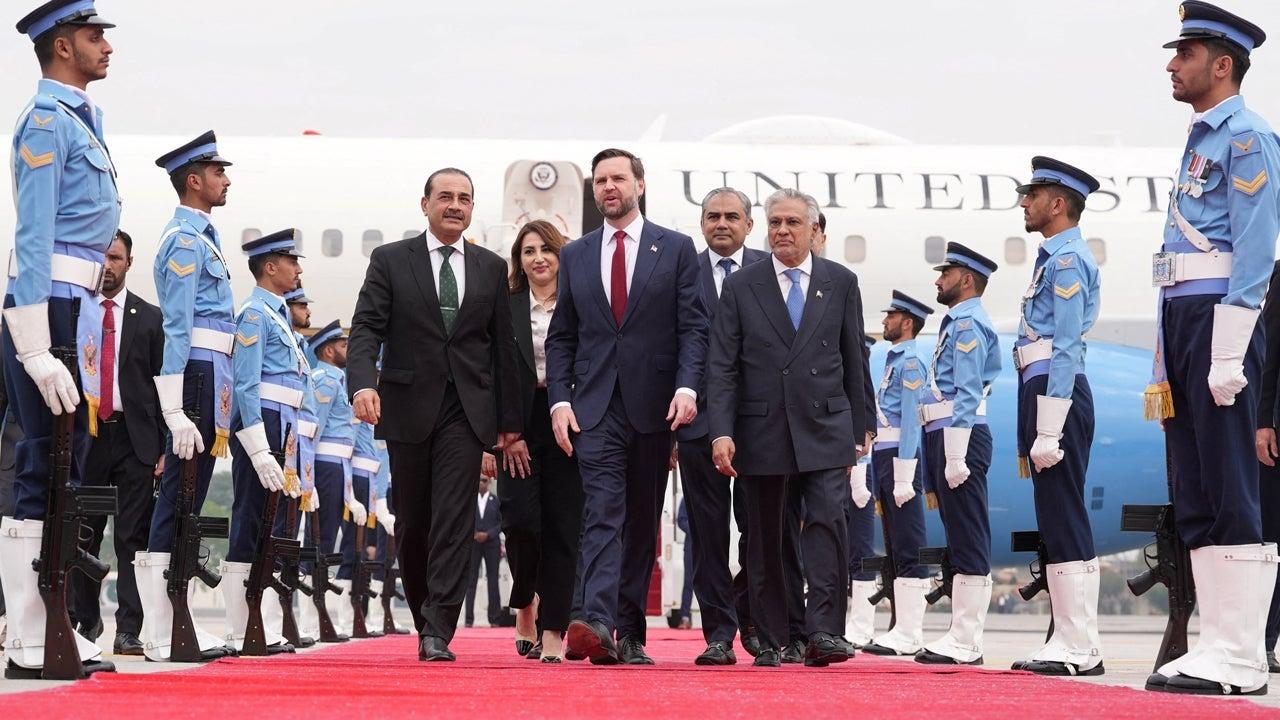
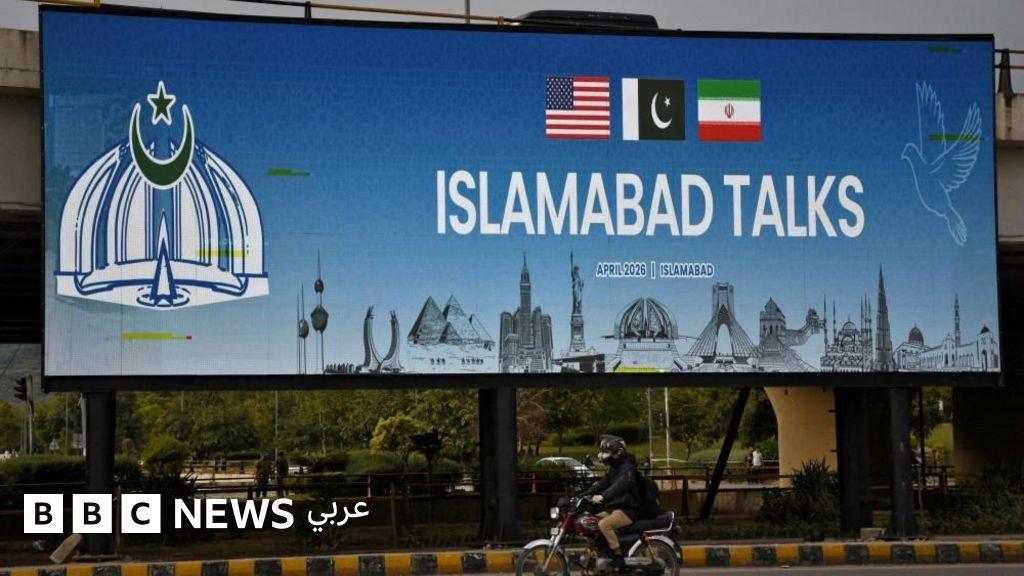
The U.S.-Iran peace talks held in Islamabad ended without an agreement after 21 hours of negotiations.
“The United States and Iran have failed to reach a truce deal after high-stakes talks in the Pakistani capital, with US Vice President JD Vance saying Tehran has refused to accept Washington’s terms after 21 hours of negotiations in Islamabad”
Vice President JD Vance said Iran chose not to accept our terms.

Iranian Foreign Minister Abbas Araghchi said the two sides were inches away from a deal but then met maximalism, shifting goalposts, and blockade.
The U.S. military announced it would blockade Iranian ports starting Monday at 10 a.m. ET.
The failure underscored entrenched structural divisions between the two sides despite limited diplomatic progress.
Blockade and Retaliation
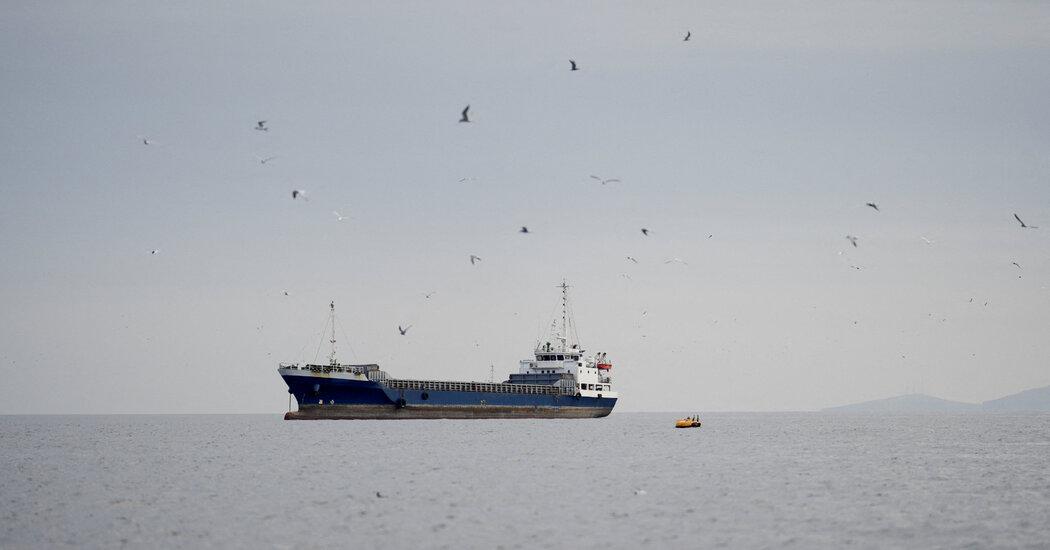
President Trump declared the U.S. Navy would blockade the Strait of Hormuz.
CENTCOM clarified the blockade would be enforced impartially against vessels entering or departing Iranian ports.

Iran's parliament speaker said the country would not surrender under threats.
The blockade sent oil prices soaring above $100 a barrel again.
The announcement came amid continued Israeli strikes in Lebanon.
Regional and Global Reactions
The Gulf states watched closely as the talks failed and the blockade was announced.
“Iranian delegation departs Islamabad after US talks end without deal Pakistan urges both sides to uphold their commitment to ceasefire, will continue to facilitate engagement and dialogue Islamuddin Sajid and Aamir Latif 12 April 2026•Update: 12 April 2026 ISLAMABAD The Iranian delegation has departed Islamabad for Tehran after high-stakes talks with the US concluded without an agreement, according to Iran’s state-run Press TV”
Pakistani Foreign Minister called on Washington and Tehran to continue to abide by the ceasefire.
Australian Prime Minister said Australia had not been asked to participate in any U.S. blockade.
The war had already cost Israel about $11.5 billion in direct expenses.
The blockade and escalating tensions sent global markets reeling.
Diplomatic Aftermath
Iran's Ministry of Foreign Affairs said it would be unrealistic to expect an agreement in a single session.
The talks marked a historic moment as the first direct engagement between the U.S. and Iran in nearly five decades.
Deep mistrust and divergent demands prevented a breakthrough.
The blockade raised questions about the future of the two-week ceasefire.
More on Iran

Trump Orders Immediate U.S. Naval Blockade of Strait of Hormuz After Failed Iran Talks
12 sources compared
US and Iran Fail to Reach Peace Deal After 21 Hours of Talks in Pakistan
28 sources compared
US Navy Blockades Strait of Hormuz After Iran Peace Talks Collapse
11 sources compared

US and Iran Fail to Reach Peace Deal After 21 Hours of Islamabad Talks
11 sources compared