Syria22 January, 20262 min read
US Envoy Tom Barrack Presses Syrian Government and Kurdish-Led SDF to Uphold Ceasefire After Clashes
U.S. envoy Tom Barrack met SDF leaders Mazloum Abdi and Ilham Ahmad urging ceasefire compliance. Barrack urged Damascus to implement the January 18 integration agreement with the SDF.
23 outlets told this the same way.
Outlets did split on France Suspends Police Stun Grenades at High School Protests After 15-Year-Old Loses Hand →
Ceasefire push in Syria
U.S. Special Envoy Tom Barrack traveled to Erbil to press both the Syrian government and the Kurdish-led Syrian Democratic Forces (SDF) to uphold a fragile ceasefire after days of clashes across northern and eastern Syria.
“U.S. envoy Tom Barrack urged full observance of a newly announced truce and confidence-building measures after Damascus seized territory to reassert control.”
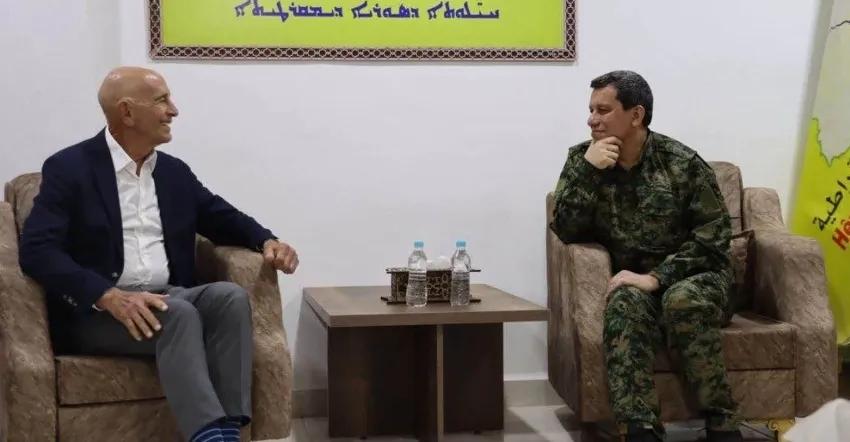
Barrack met SDF commander Mazloum Abdi and Kurdish politician Ilham Ahmed and urged confidence-building measures and full observance of the truce, saying that all parties agreed that fully upholding the current truce is essential.

Multiple outlets report Washington's renewed backing for the Jan. 18 agreement to integrate the SDF into state institutions as part of efforts to stabilise the area and prevent further fighting.
Jan. 18 integration agreement
Central to Barrack's diplomacy is the Jan. 18 integration agreement that seeks to fold SDF-held areas and personnel into Syrian state institutions while recognising specific local arrangements.
Outlets report the understanding includes a ceasefire, handover of prisons and some infrastructure, and an integration mechanism that may allow individual SDF members to enter state forces.

Several sources describe a tight timetable tied to the truce: a reported "mutual understanding" gives the SDF four days to draft a detailed integration plan.
Under the ceasefire, Damascus gave the SDF four days to present a merger plan and agreed not to enter two remaining SDF-held cities if an accord is reached.
ISIS detainee transfers
Security concerns, especially over prisons and displacement camps where thousands of suspected Islamic State affiliates and their families are held, have driven urgent U.S. military and diplomatic moves. CENTCOM reported it successfully transported 150 ISIS fighters from a Hasakah detention site to a secure location in Iraq.
“CENTCOM said it ‘successfully transported 150 ISIS fighters’ from a Hasakah detention facility to a secure site in Iraq and that as many as 7,000 detainees could ultimately be relocated to Iraqi-controlled facilities.”
Multiple outlets say as many as 7,000 detainees could ultimately be moved to Iraqi-controlled facilities to prevent breakouts that might enable ISIS to regroup. Sources note transfers began amid reports of escapes and clashes around prisons such as al-Shaddadi and alarms about security in and near the al-Hol camp, which houses roughly 24,000 people.
Government advances in northeast Syria
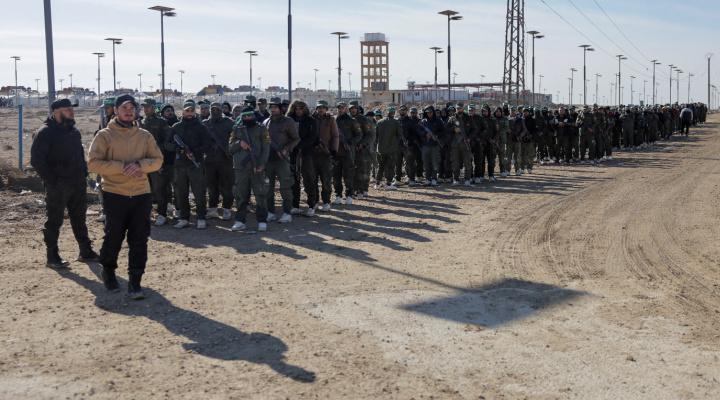
Syrian government forces have advanced into parts of northeastern Syria previously controlled by the SDF. They seized territory including oil fields, agricultural land and prisons such as al-Shaddadi. They also entered the large al-Hol camp that houses thousands of civilians.
Reports describe al-Hol as holding about 24,000 people from many nationalities. Some outlets emphasize the humanitarian dimension, noting many residents say they are not affiliated with the Islamic State and seek mercy. Other outlets highlight security footage and reports of disorder as government forces moved in.
Kurdish mediation and ceasefire
Mediation efforts continue amid mutual distrust. Kurdish leaders and regional mediators, including Iraq's Kurdish intermediaries and Kurdistan Region President Nechirvan Barzani, pressed for de-escalation and protection of Kurdish rights. U.S. envoys and regional partners urged quick implementation of the deal.
“Kurdistan Region President Nechirvan Barzani also met SDF commander Mazloum Abdi, urging de-escalation, protection of Kurdish rights, and discussing the risk of an ISIS resurgence.”
SDF figures expressed distrust of assurances from Damascus-linked officials. Both sides accused each other of ceasefire violations. Observers warn that the fragile agreement's short timetables and contested security responsibilities risk renewed clashes and complicate the safe custody of detainees.