
U.S. Fires on Iranian Oil Tankers as Iran and U.S. Exchange Fire in Strait of Hormuz
Key Takeaways
- U.S. launched self-defense strikes on Iran after ships came under fire in Hormuz.
- Ceasefire remains in place despite exchange of fire in Strait of Hormuz.
- Oil prices rose after strikes and clashes in the Strait of Hormuz.
Ceasefire under strain
The United States and Iran traded fire in and around the Strait of Hormuz as a month-old ceasefire proved fragile, with U.S. forces firing on and disabling two Iranian oil tankers on Friday after exchanging fire with Iranian forces overnight.
“US stocks rise to records after a solid jobs report overshadows higher oil prices U”
President Donald Trump wrote on Truth Social that "Three World Class American Destroyers just transited, very successfully, out of the Strait of Hormuz, under fire," while also saying "There was no damage done to the three Destroyers, but great damage done to the Iranian attackers."

U.S. Central Command said Iranian forces launched missiles, drones and fast boats toward American warships overnight, prompting retaliatory strikes against Iranian military facilities believed to be responsible for the attack, and the Pentagon said none of the Navy vessels were damaged.
Iran’s Khatam al-Anbiya Central Headquarters accused the United States of violating the cease-fire first by targeting an Iranian oil tanker and civilian areas near Qeshm Island and coastal cities along the Strait of Hormuz, and Iranian commanders said their forces responded by attacking American naval assets east of the strait and south of the port city of Chabahar.
Rubio seeks a response
U.S. Secretary of State Marco Rubio said the White House was expecting a response proposal on May 8 from the Iranian regime about ending the war, telling reporters, "We're expecting a response from them today at some point. We have not received that yet," while he was visiting with the Pope in Italy.
CNBC reported that the U.S. and Iran traded fire Thursday in the Strait of Hormuz, and that three U.S. destroyers came under attack by Iranian missiles, drones and small boats as they transited Hormuz into the Gulf of Oman, according to CENTCOM.
Trump insisted the ceasefire with Iran remained in effect during a call with an ABC News reporter later Thursday, saying the strikes were "just a love tap," as Iran reviewed a U.S. proposal to end the war.
The ABC News report said U.S. forces fired on and disabled two Iranian oil tankers on Friday after exchanging fire overnight, and that the latest flare-up raised doubts about the tenuous month-old ceasefire the United States has insisted is still in effect.
Markets and shipping at risk
The renewed fighting rattled global markets, with ABC News saying the price for a barrel of Brent crude oil rose 1.2% to settle at $101.29 after the latest volleys of fire, and CNBC reporting Brent crude futures added around 1% to close at $101.29 per barrel.
ABC News also said U.S. stocks rose to records Friday, including the S&P 500 climbing 0.8% to an all-time high, while indexes fell across much of Europe and Asia, including Germany’s DAX losing 1.3% and Hong Kong’s Hang Seng dropping 0.9%.
Beyond markets, shipping concerns deepened after reports that Iran had formally established a new authority to regulate and tax vessels seeking passage through the strait, with Daily Sabah citing Lloyd’s List Intelligence that the Persian Gulf Strait Authority was positioning itself as the sole body authorized to approve commercial transit.
Daily Sabah warned that maritime law experts said the move could violate international law governing freedom of navigation, and it added that the conflict had trapped hundreds of commercial vessels inside the Gulf and driven energy prices sharply higher worldwide.
More on Iran
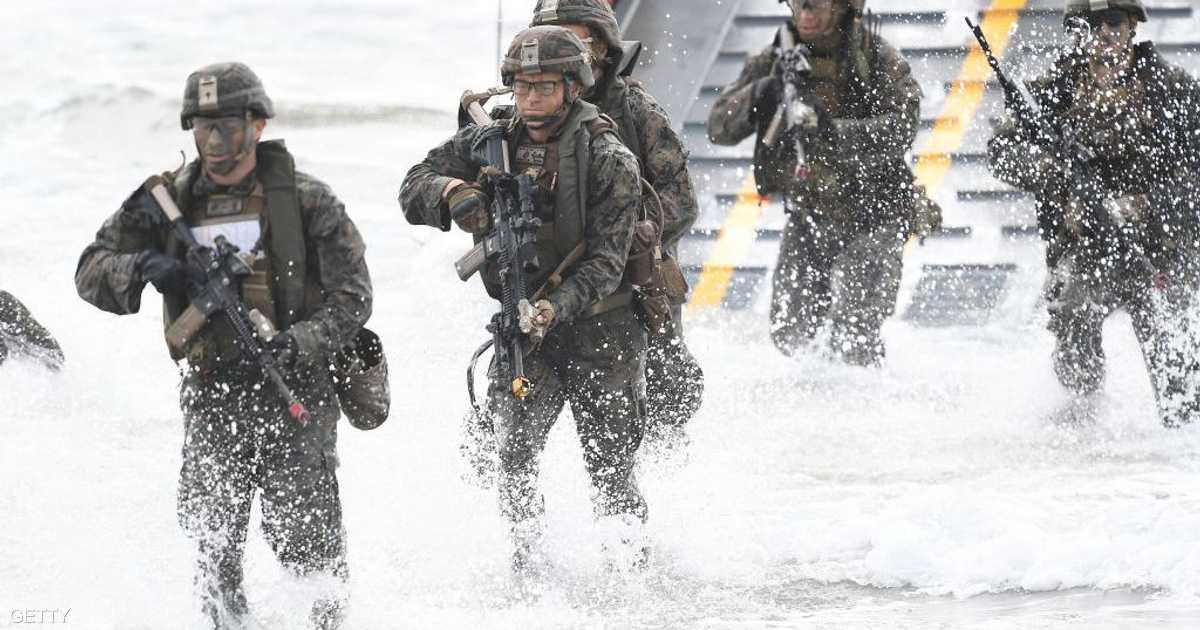
U.S. Fires on Iranian-Flagged Tankers in Strait of Hormuz After Exchanging Fire
11 sources compared
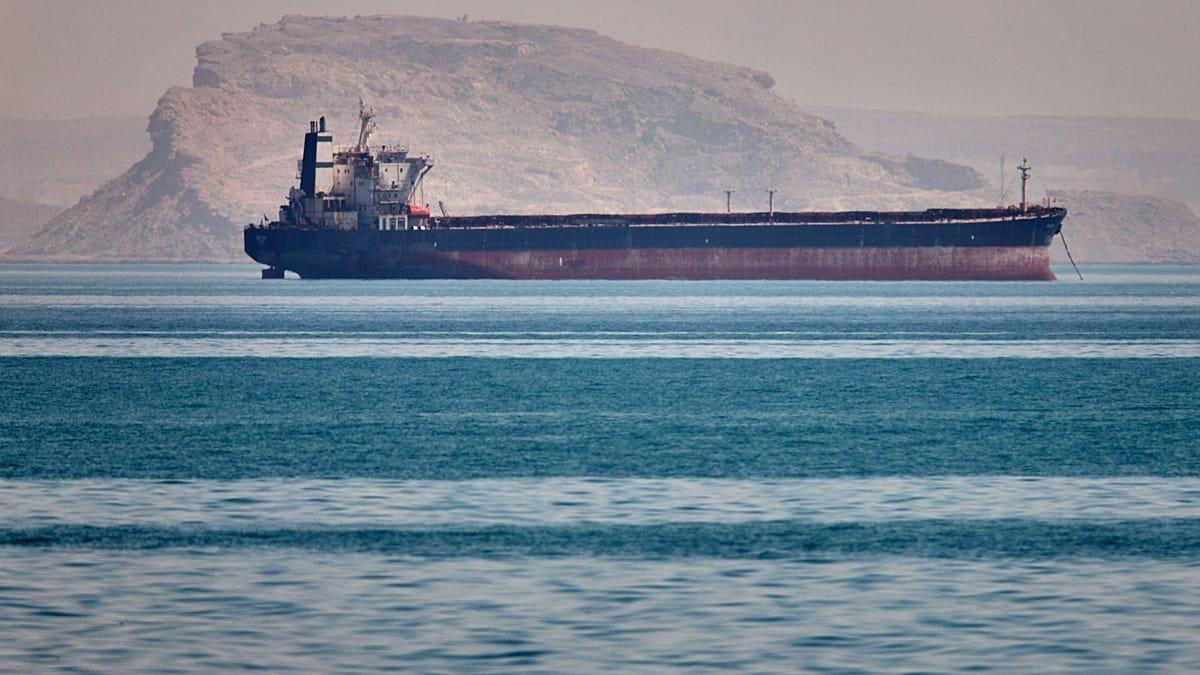
U.S. Fires on Two Iranian-Flagged Tankers Near Strait of Hormuz, Trump Expects Iran Response
17 sources compared
Iran Retaliates After U.S. Attacks Vessels Near Strait of Hormuz, Trump Warns Of More Strikes
18 sources compared
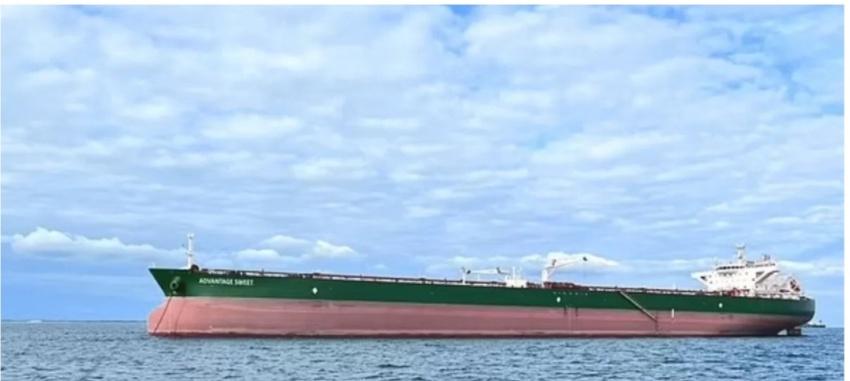
IRGC Navy Seizes Ocean Koi Tanker in Gulf of Oman, U.S. Disables Two Tankers
15 sources compared