U.S. Fires on Two Iran-Flagged Tankers as Rubio Awaits Response on Peace Proposal
Key Takeaways
- U.S. fired on two Iran-flagged tankers to stop docking at Hormuz.
- The operation occurred as Washington awaited a response to a peace proposal.
- The clash underscores ongoing Hormuz tensions and a fragile ceasefire amid broader confrontation.
Tankers hit near Hormuz
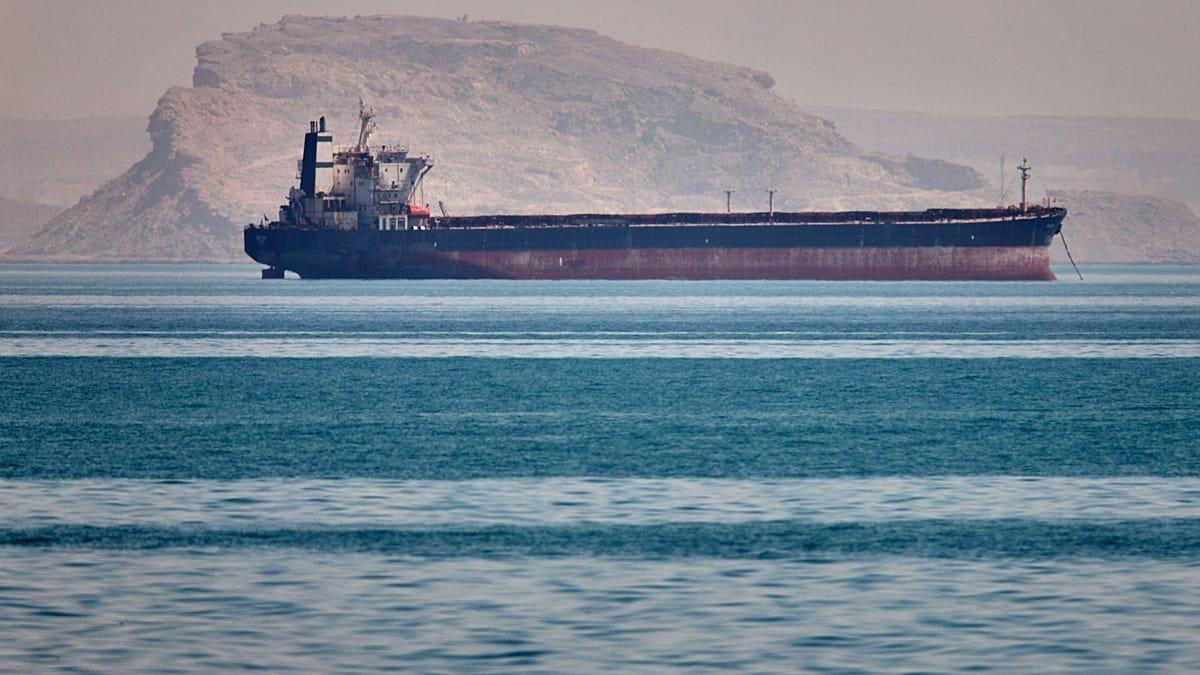
The U.S. military fired on two Iran-flagged oil tankers to stop them from docking at an Iranian port Friday in violation of the U.S. blockade in the area, as the Strait of Hormuz standoff intensified.
“The Iranian military has said it retaliated against United States Navy ships after US forces targeted an oil tanker in Iran’s territorial waters, a major escalation that puts further strain on the fragile truce between Washington and Tehran”
Secretary of State Marco Rubio said the U.S. was expecting a response from on a peace proposal and added, "we'll see what the response entails" while President Trump said the U.S.-Iran ceasefire is "still in effect."

Iran’s Ambassador to the U.N. Amir Saeid Iravani warned in letters that the consequences of the U.S.’s recent actions in the Persian Gulf and Strait of Hormuz "could be catastrophic" and extend far beyond the Middle East.
In Dubai, the NPR report said U.S. forces fired on and disabled two Iranian oil tankers after exchanging fire with Iranian forces in the Strait of Hormuz overnight, and it said the UAE reported another Iranian missile and drone attack.
The Associated Press satellite images reviewed by Ami Daniel, CEO of Windward AI, showed an oil slick in the Persian Gulf emanating from the western side of Kharg Island covering about 27 square miles, with Daniel estimating roughly 80,000 oil barrels spilled since the slick was first detected by satellite images Tuesday.
Ceasefire claims clash
The U.S. and Iranian sides traded competing narratives as the U.S. awaited an Iranian response to its latest proposal for a deal to end the war, reopen the strait and roll back Tehran's disputed nuclear program.
Iran’s Foreign Ministry condemned what it called "hostile" U.S. military action, saying it violated the ceasefire, and Iranian Foreign Minister Abbas Araghchi posted on X: "Every time a diplomatic solution is on the table, the U.S. opts for a reckless military adventure."

In response to the U.S. strikes, Iran’s Khatam al-Anbiya Central Headquarters said the U.S. carried out retaliatory strikes on Iranian military facilities and that "No US assets were struck" was the U.S. position, while Al Jazeera reported Iran said it retaliated against U.S. Navy ships after U.S. forces targeted an oil tanker.
Iran’s naval forces said they used "various types of ballistic and antiship cruise missiles and destructive drones with high-explosive warheads" in response to U.S. violations of the truce, while CENTCOM said it "intercepted unprovoked Iranian attacks" and responded with "self-defence strikes."
The TRT World report said Iranian state media cited an unnamed military official saying U.S. naval units came under Iranian missile fire and were forced to retreat after sustaining damage, while it also said it was unclear when the incident happened.
Sanctions, shipping, diplomacy
Beyond the immediate firefight, the U.S. Treasury announced a new round of sanctions against 10 individuals and companies it accused of supporting Iran's drone and ballistic missile programs, implemented by the Treasury’s Office of Foreign Assets Control.
Treasury Secretary Scott Bessent said, "Under President Trump's decisive leadership, we will continue to act to Keep America Safe and target foreign individuals and companies providing Iran's military with weapons for use against U.S. forces," while Rubio said the sanctions hold "China-based entities accountable for their support to Iran."
In parallel, the NPR report said the attacks cast more doubt on a tenuous month-old ceasefire and that Washington is awaiting an Iranian response, while it also described the UAE Defense Ministry saying three people were wounded after air defenses engaged two ballistic missiles and three drones.
Iran’s state media and officials also raised the stakes for maritime access, with the Mint report saying Iranian state media claimed U.S. naval vessels operating near the Strait of Hormuz came under Iranian missile fire and were forced to flee after suffering damage, and with the Al Jazeera report saying Iran’s military said it retaliated after U.S. targeted an oil tanker in Iran’s territorial waters.
In diplomacy and regional planning, the CBS News report said Southeast Asian leaders adopted a contingency plan Friday to mitigate the impact of the Iran war, including steps such as ratification possibly this year of an agreement to pave the way for coordinated emergency fuel sharing and diversifying sources of crude oil.
More on Iran

US Intelligence Says Mojtaba Khamenei Shapes Iran’s War Strategy and Negotiations With Washington
16 sources compared
Joe Kent Says U.S. Intelligence Agreed Iran Was Not Developing Nuclear Weapons
12 sources compared
Marco Rubio Imposes Sanctions on Chinese Entities Accused of Supplying Iran Satellite Imagery
14 sources compared

Reuters And Associated Press Say Suspected Oil Spill Expands Near Iran’s Kharg Island
14 sources compared