South America06 January, 20262 min read
US Forces Abduct Venezuelan President Nicolás Maduro
This article is an automated aggregation of coverage from news outlets. Our editorials offer in-depth analysis curated by the NewsCord team.
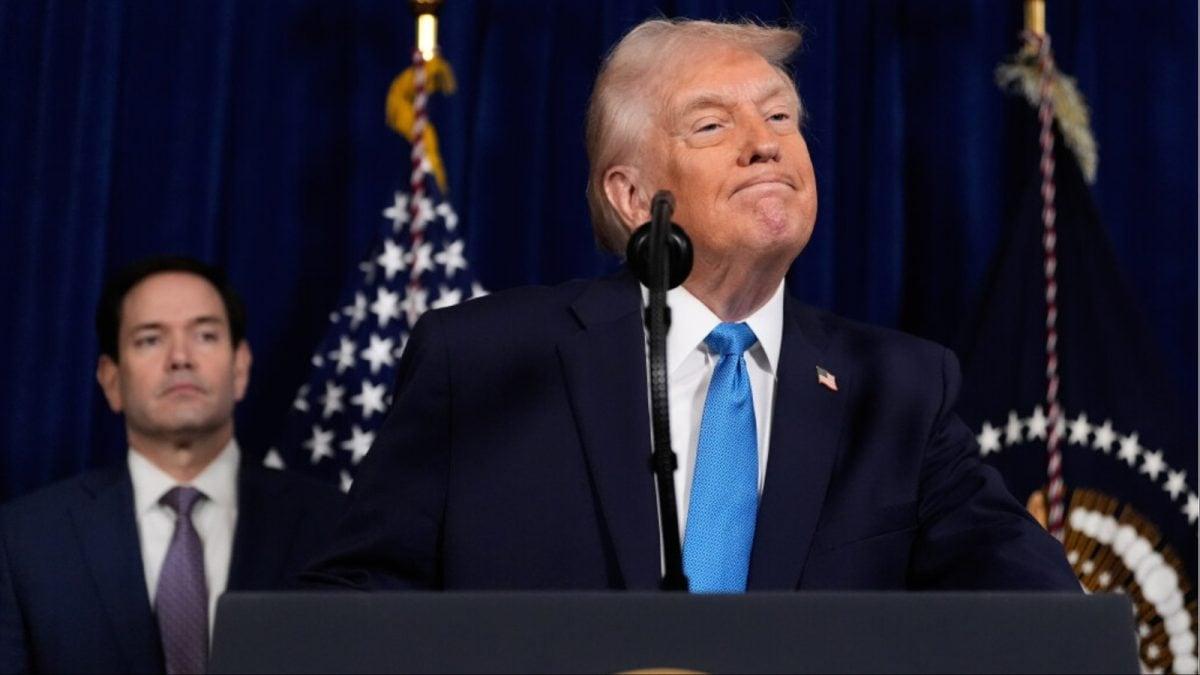
U.S. forces captured Venezuelan President Nicolás Maduro during an overnight operation. Vice president Delcy Rodríguez was formally sworn in as Venezuela's interim president.
8 outlets told this the same way.
Outlets did split on Brazil Police Kill Suspect After 13 Kindergarteners Held Hostage In Curitiba →
Maduro capture reports
U.S. forces reportedly abducted Venezuelan President Nicolás Maduro and his wife Cilia Flores in an operation early on Jan. 3 and flew them to New York to face drug- and weapons-related charges, leaving immediate questions about who governs Venezuela.
“Venezuelan opposition figure Maria Corina Machado (the article’s ‘she’) said President Nicolás Maduro and his wife Cilia Flores had been seized by the United States after US forces abducted them early Saturday and flew them to New York to face drug and weapons charges.”
Multiple outlets report that Maduro was detained at his Caracas residence and transferred to the United States to face narco-terrorism charges.
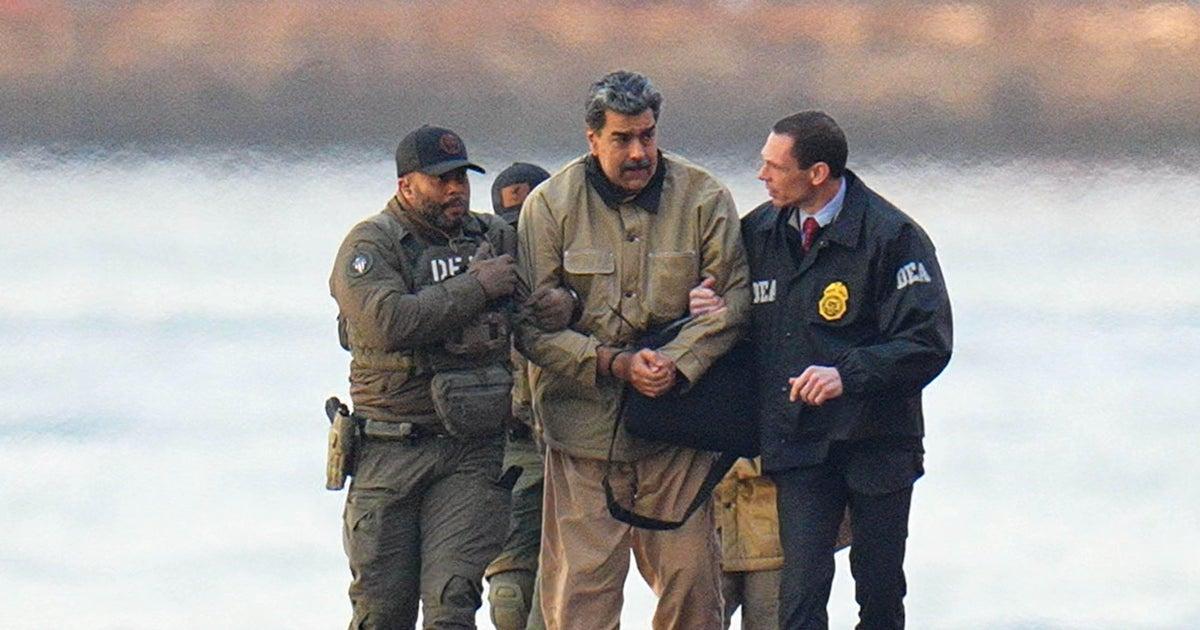
U.S. officials described the operation as a mostly successful U.S. military action that removed Maduro.
The capture prompted rapid moves in Caracas, with Venezuela’s Supreme Court directing Foreign Minister Delcy Rodríguez to assume the acting presidency and she was later sworn in.
Opposition voices and some Venezuelan figures disputed elements of the account.
US operation in Caracas
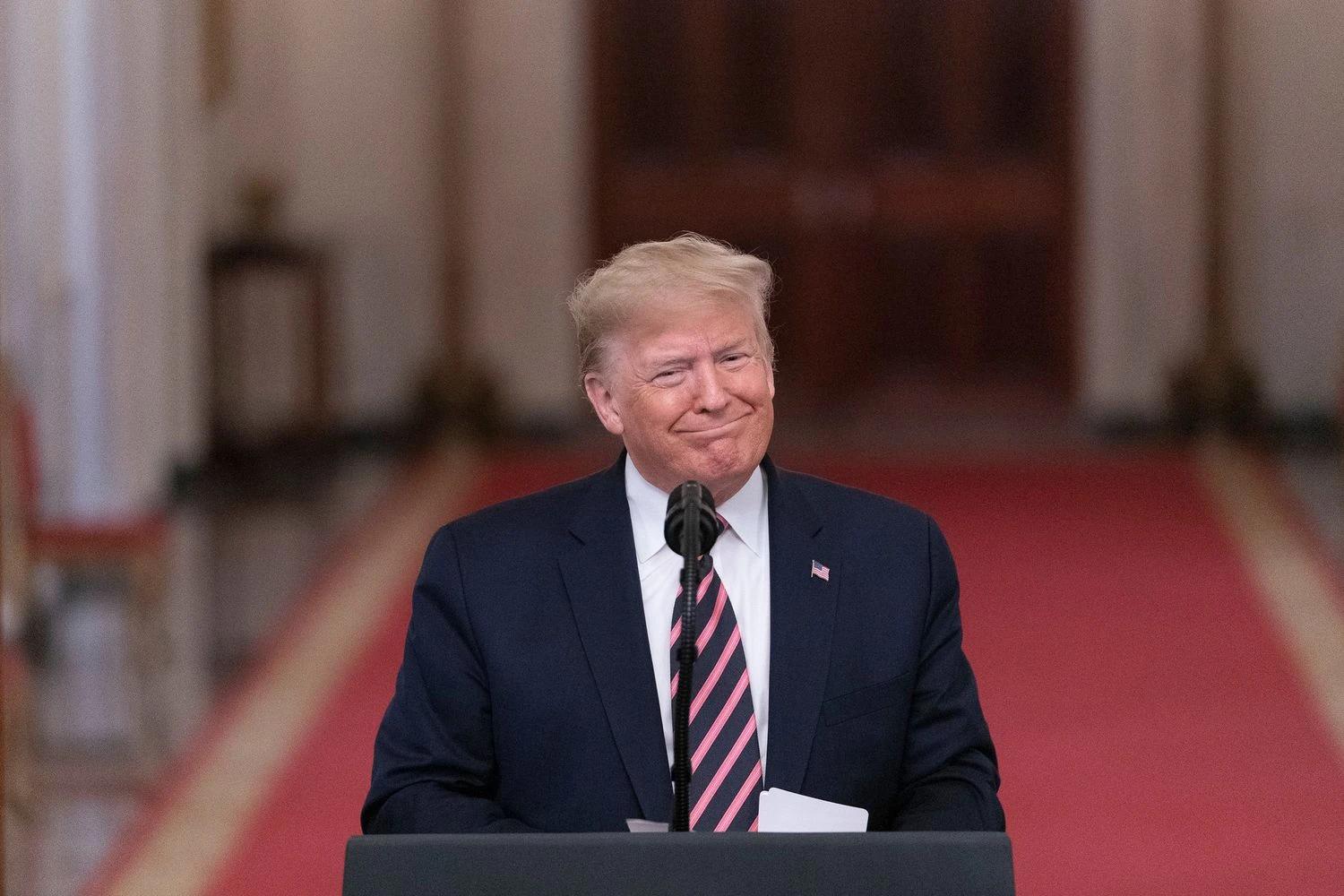
U.S. officials and senior aides described the operation in military terms and signaled readiness to use additional force if needed. CNN reports senior aides, naming Stephen Miller and Defense Secretary Pete Hegseth, said U.S. forces remained positioned nearby, 'set the terms and conditions,' and that nearly 200 U.S. personnel entered Caracas during the operation. President Trump is quoted asserting U.S. control for the time being and suggesting possible troop deployments, while also giving mixed statements about prior contacts with Venezuela’s acting leaders.
Aftermath of Maduro raid
Legal and political consequences were immediate but contested. Reports state Maduro was arraigned in New York on narco-terrorism and related charges and pleaded not guilty. At the same time, Venezuelan institutions in Caracas moved quickly to fill the vacuum, and the National Assembly and Supreme Court backed Delcy Rodríguez as acting president.
“Separately, the article notes Maduro was arraigned in New York on charges including narco-terrorism and conspiracy to import cocaine and pleaded not guilty; Vice President Delcy Rodríguez was sworn in as acting president, demanded Maduro’s immediate release and called the US action a 'savage attack.'”
Trump publicly said elections should not be held in the next 30 days and emphasized restoring Venezuela’s infrastructure and energy sector. Some opposition figures and international observers expressed shock and denounced the raid.
Conflicting coverage of events
CNN states Cuban guards 'reportedly suffered the bulk of casualties' and cites Cuban claims that 32 citizens were killed. Other outlets focus on immediate security scenes, with Siasat reporting gunfire, unidentified drones near the presidential palace, and the evacuation of government buildings. Some outlets (TRT, El Mundo) do not foreground casualty totals and instead emphasize political maneuvers and statements by U.S. officials.
Regional media coverage differences
Across sources there are clear differences in tone, framing, and which details are prioritized. West Asian coverage (TRT World) foregrounds Venezuelan institutional responses and opposition claims. Western mainstream outlets (CNN, El Mundo) emphasize U.S. official accounts, military framing, and Trump’s public statements.
“Venezuelan opposition figure Maria Corina Machado (the article’s ‘she’) said President Nicolás Maduro and his wife Cilia Flores had been seized by the United States after US forces abducted them early Saturday and flew them to New York to face drug and weapons charges.”
Asian reporting (Siasat) combines on-the-ground security descriptions with legal outcomes and international shock. When accounts conflict or omit details—such as whether U.S. officials coordinated with Delcy Rodríguez before the operation, the exact casualty figures, or the legitimacy of proposed interim leaders—those disputes are reported rather than resolved in the sources.