USA16 February, 20262 min read
U.S. Forces Board Sanctioned Tanker Veronica III in Indian Ocean Over Venezuelan Oil Smuggling
U.S. forces tracked and boarded Panamanian‑flagged tanker Veronica III from the Caribbean in Indian Ocean Veronica III is subject to U.S. sanctions and linked to Venezuelan oil and Iran‑related sanctions
15 outlets told this the same way.
Outlets did split on Trump Interrupted by Protesters at San Antonio Rally for Ken Paxton →
Boarding of Veronica III
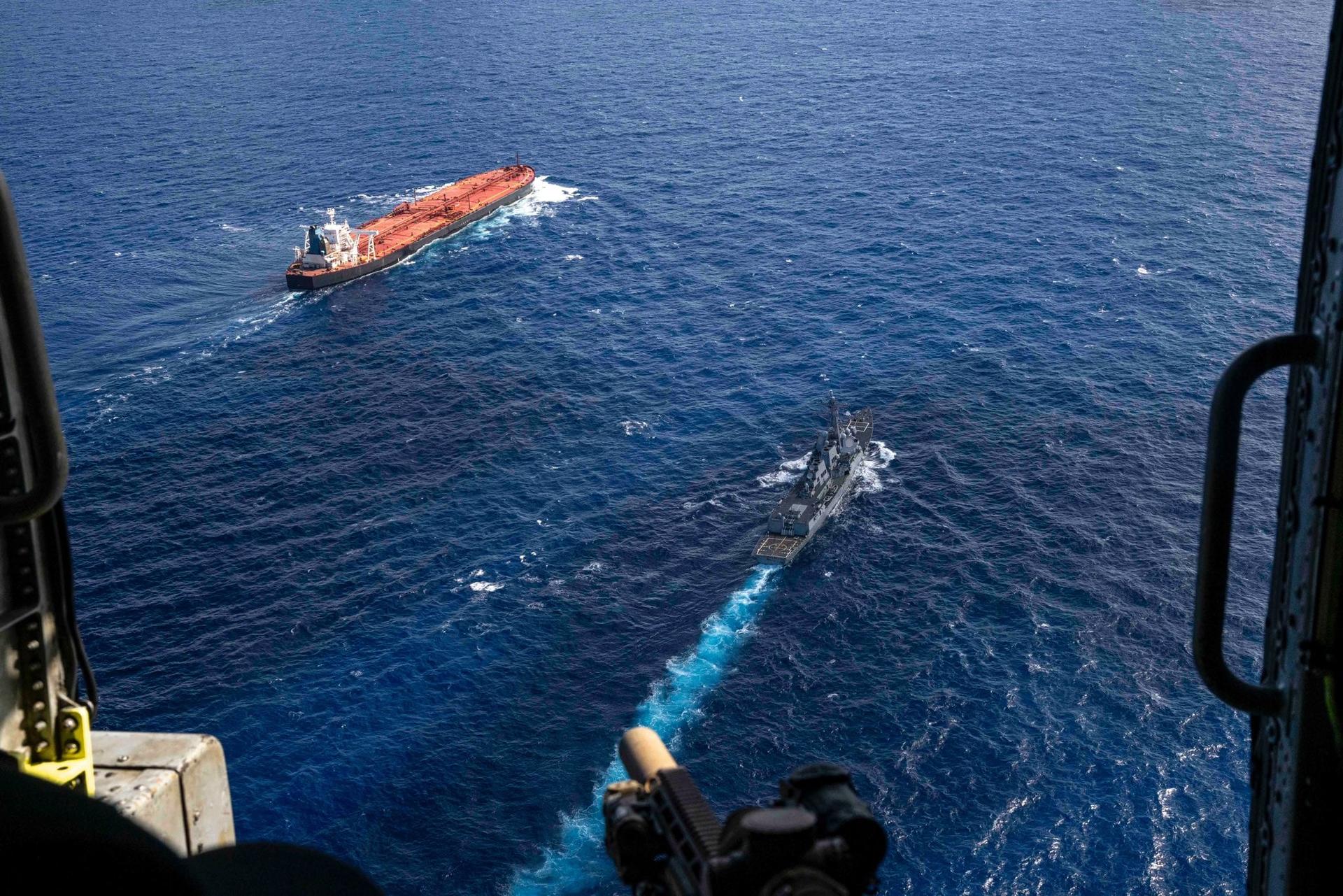
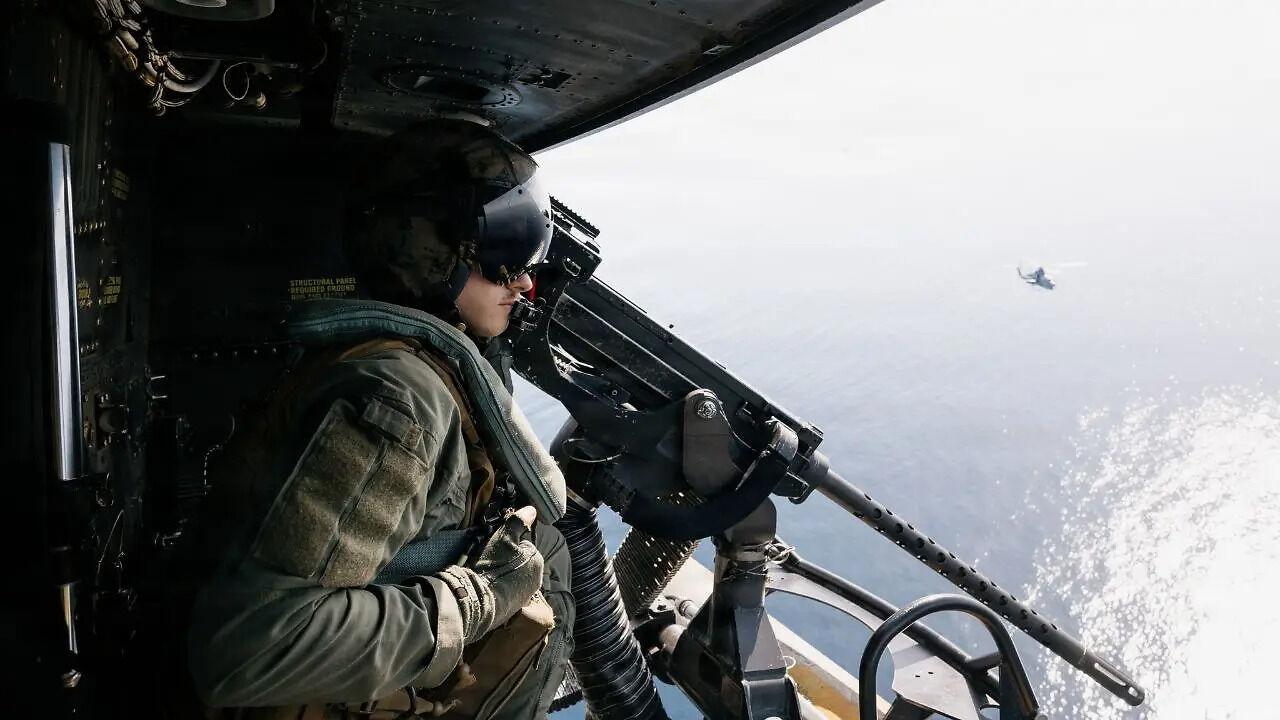
U.S. forces conducted a right-of-visit maritime interdiction and boarded the Panama‑flagged tanker Veronica III in the Indian Ocean after tracking the vessel from the Caribbean, Pentagon officials said. Multiple outlets described the operation as a long‑range tracking and boarding that occurred "without incident". The Pentagon released video of the action while declining to confirm whether the ship will be seized or placed under U.S. control.
“U.S. forces in the Indian Ocean boarded the Panama‑flagged tanker Veronica III in a right‑of‑visit operation that officials say targeted networks moving sanctioned Venezuelan crude.”
Veronica III voyage details
Multiple trackers and officials reported that Veronica III sailed from Venezuela on Jan. 3, 2026.
The tanker was carrying roughly 1.9-2.0 million barrels of crude and fuel oil.
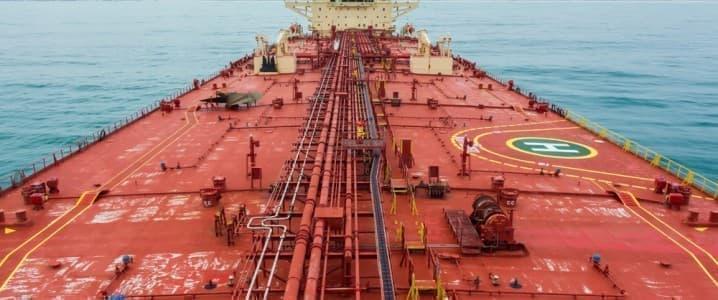
Monitoring groups and media accounts link the tanker’s cargo patterns since 2023 to shipments involving Russia, Iran and Venezuela.
Satellite imagery and photos were cited to document multiple tankers leaving Venezuelan waters despite an imposed quarantine.
Sanctions and ship boarding
The Veronica III is listed on U.S. sanctions records and described as Panama‑flagged. Panama’s maritime authority told some outlets it canceled the ship’s registration in December 2024.
“The vessel, the Veronica III, sails under the Panamanian flag and is subject to US sanctions related to Iran, the US added.”
U.S. officials and media repeatedly connect the boarding to an OFAC listing tied to Iranian oil activity and to a December quarantine order on sanctioned tankers. Outlets differ on whether to describe the action as enforcement of a quarantine, a blockade, or a broader interdiction campaign.
Veronica III and shadow fleet
Journalists and analysts place the Veronica III boarding within a stepped-up U.S. campaign to interdict a so-called 'shadow fleet' of tankers moving sanctioned Venezuelan crude.
Estimates and counts vary: some reports cite a U.S. Coast Guard-linked estimate of roughly 800 vessels in the wider network, while individual reportage lists between seven and nine interdictions or seizures so far and notes the earlier Aquila II boarding in the Indian Ocean.
&w=1920&q=75)
Diverging enforcement reports
Reports diverge on some political and human‑impact details surrounding the wider enforcement push. A few outlets tie the Veronica III operation to a broader sequence that includes the January capture of Nicolás Maduro and U.S. control of some Venezuela‑origin oil sales.
“The Veronica III boarding follows a December quarantine order on sanctioned tankers, a January U.S. operation that captured Venezuelan President Nicolás Maduro, and other interceptions (including the Aquila II); at least nine ships have been seized so far.”
Other outlets omit those links and instead focus narrowly on maritime enforcement. Separately, some reporting highlights lethal U.S. strikes on suspected smuggling boats in the Caribbean, a detail not covered in all accounts.