
U.S. Forces Capture Maduro in Caracas, Jail Him in New York After Operation
Key Takeaways
- Maduro captured in Caracas during a U.S. military operation.
- Maduro and his wife transported to the United States and jailed in New York.
- Maduro scheduled to appear in federal court in New York.
Operation Capture
The United States launched a major military operation on January 3, 2026, targeting Venezuela's capital Caracas in a dramatic overnight strike.
“Skip to main content Updated Jan 3, 2026 - Politics & Policy After capturing Maduro, Trump hints at military action in Cuba, Mexico and Colombia Andrew Childers, Josephine Walker email (opens in new window) sms (opens in new window) facebook (opens in new window) twitter (opens in new window) linkedin (opens in new window) bluesky (opens in new window) Add Axios as your preferred source to see more of our stories on Google”
The operation successfully captured President Nicolás Maduro and his wife, Cilia Flores, according to multiple sources.

The operation involved coordinated attacks on multiple Venezuelan military and infrastructure sites, including explosions at Fuerte Tiuna, Venezuela's largest military complex.
Explosions were also heard at La Guaira port, with concrete blocks blocking highway access to Simón Bolívar International Airport.
U.S. forces struck military targets while also capturing the Venezuelan leadership, marking a significant escalation in U.S. intervention.
The operation was preceded by months of military buildup and repeated threats by President Trump against Maduro.
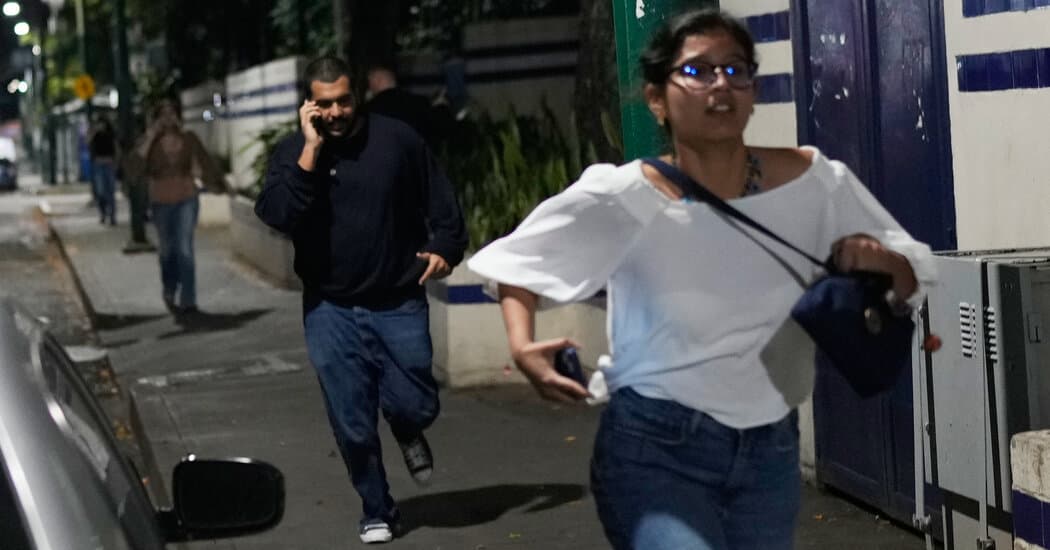
The dramatic assault left civilians running from explosions and low-flying aircraft throughout the capital city.
Legal Detention
Following his capture, Maduro was transported to the United States and is currently being held at the Metropolitan Detention Center in Brooklyn, New York.
He faces charges related to narcoterrorism, according to CBS News reporting.

The former Venezuelan president arrived in New York on Saturday night and has been detained alongside his wife on these serious charges.
The detention facility has become the focal point for both supporters and opponents of the operation.
Protesters gathered outside the Brooklyn jail calling for Maduro's release, with some barricading a portion of the sidewalk.
The legal proceedings represent a significant shift in U.S.-Venezuela relations.
The Trump administration seeks to bring Maduro to justice through the American judicial system rather than through direct regime change in Caracas.
Mixed Reactions
The capture of Maduro has triggered diverse reactions both within Venezuela and internationally.
In Chile, Venezuelans living abroad were seen celebrating the capture of their former leader, according to Oregon Public Broadcasting.
Within Caracas, supporters of Maduro were seen embracing and crying during rallies, showing deep emotional reactions.
The operation has created a stark divide among Venezuelans, with some expressing relief that change might finally come.
Others fear further instability in the already volatile situation.
Zulimar Mendoza, who left Venezuela in 2018 and sends money to her family, expressed both the sacrifice and necessity of the action.
She stated 'I saw families, entire families, eating from the garbage' to justify the intervention.
Meanwhile, pro-government armed civilians have been patrolling areas like La Guaira in response to the capture.
This indicates continued tensions on the ground following the dramatic operation.
Congressional Briefing
In Washington, the Trump administration is preparing to brief key members of Congress on the Venezuela operation.
This signals an attempt to establish congressional oversight while asserting presidential authority over the military action.
Administration officials including Secretary of State Marco Rubio, Defense Secretary Pete Hegseth, Attorney General Pam Bondi, CIA Director John Ratcliffe and Joint Chiefs Chair Gen. Dan Caine will provide a classified briefing.
The briefing is scheduled for 5:30 p.m. Monday and will include chairs and ranking members from key committees.
These include Senate Foreign Relations, Senate Armed Services, House Foreign Affairs and House Armed Services committees.
The briefing will also include the 'Gang of Eight' intelligence leadership.
This congressional engagement comes as legal scholars question the constitutional basis for such operations.
Brookings experts note that while the executive branch claims broad authority to use military force without congressional authorization, these views have 'never been vindicated by the federal courts.'
Regional Threats
President Trump has signaled that the Venezuela operation may be just the beginning of a broader regional strategy.
“Pedestrians walk past destroyed containers lay at La Guaira port after explosions were heard in Venezuela, Saturday, Jan”
He directly threatened Mexico, Cuba, and Colombia with potential future military intervention.
Hours after the Maduro capture, Trump explicitly warned that other governments should be concerned.
He stated 'I think Cuba is going to be something we'll end up talking about, because Cuba is a failing nation right now.'
The president framed these potential interventions as humanitarian efforts to help people in those countries.
Simultaneously, he criticized Colombian President Gustavo Petro.
Trump claimed Colombia has 'at least three major cocaine factories.'
Secretary of State Marco Rubio, whose parents fled Cuba, added fuel to these regional tensions.
Rubio suggested that Cuban government officials should be 'concerned' about potential U.S. action.
These expansive threats reflect a significant departure from traditional diplomatic approaches.
They suggest the Trump administration may pursue a more muscular, interventionist foreign policy across Latin America.
More on USA
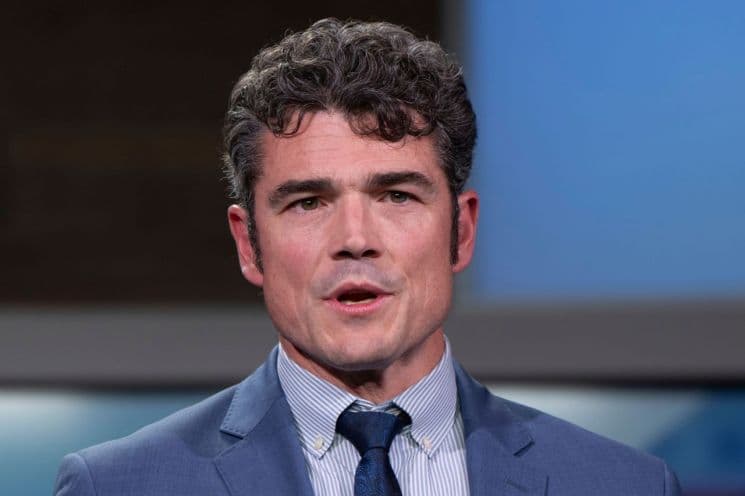
FBI investigates Joe Kent, former National Counterterrorism Center director, for allegedly leaking classified information.
81 sources compared

Lt. Gov. Juliana Stratton Wins Illinois Democratic Senate Primary to Replace Durbin
171 sources compared

Senators Grill Mullin Over DHS Nomination as Intel Officials Testify on Top Threats
91 sources compared

César Chávez Faces Sexual Abuse Allegations, Including Rape of Dolores Huerta and Other Survivors
34 sources compared