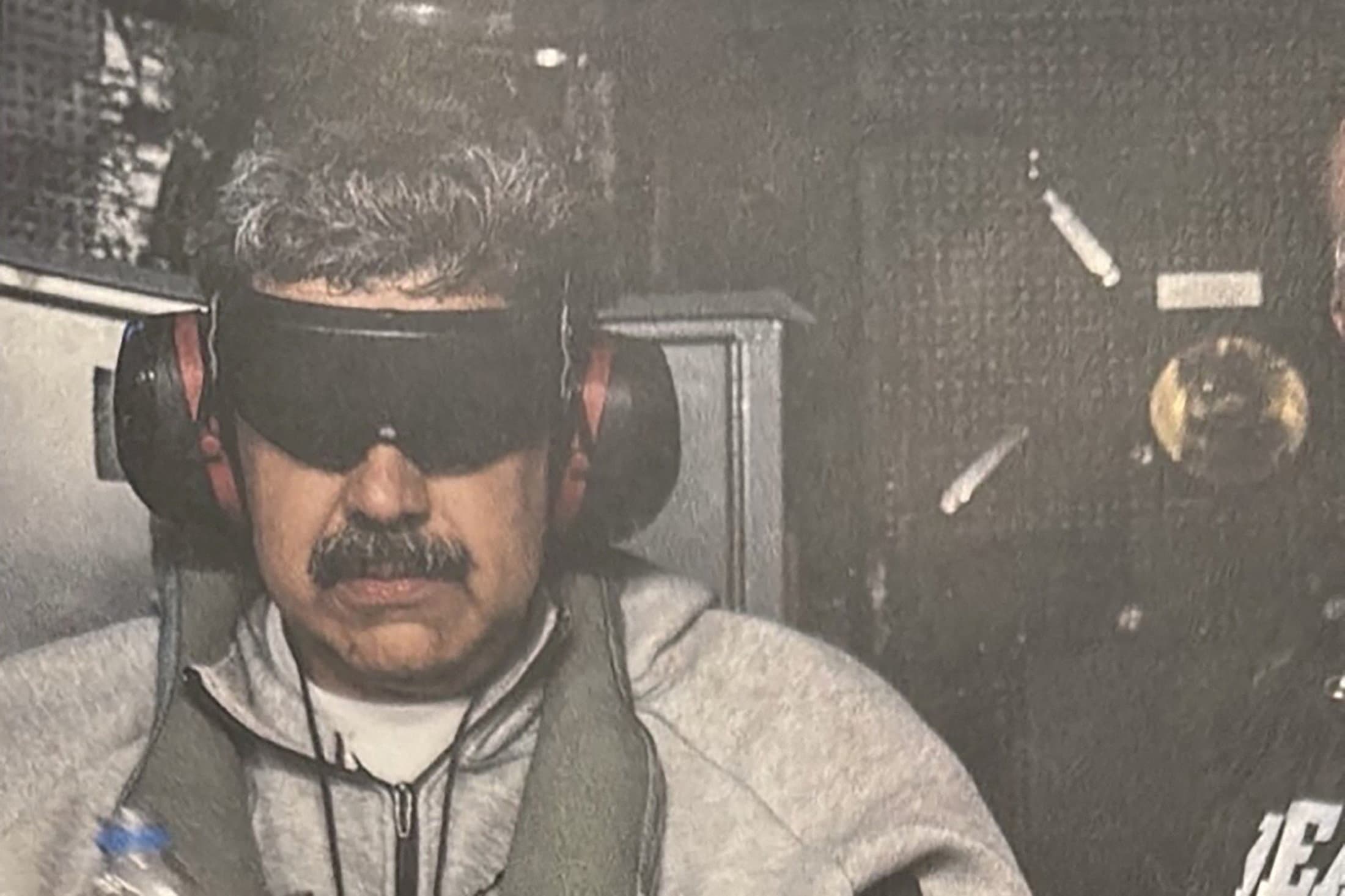
US Forces Capture Maduro in Overnight Venezuela Attack
Key Takeaways
- US forces captured Nicolás Maduro and his wife, Cilia Flores, during an attack in Venezuela.
- Maduro ousted from power; US to run Venezuela until a safe transition.
- UN Security Council to convene over US operation in Venezuela.
Capture Operation
In a dramatic overnight operation on January 3, 2026, US forces captured Venezuelan President Nicolas Maduro in Caracas during a large-scale military strike.
“They have been eager to show higher-level officials in Washington that they are still relevant after the war on terror—and indeed even more so now”
The operation involved more than 150 aircraft across the Western Hemisphere and was executed with such precision that US General Dan Caine described it as 'sheer complexity' requiring 'integration' that went beyond standard military coordination.
The US military caused a blackout in Caracas to facilitate the operation, and Maduro along with his wife Cilia Flores were captured and flown to New York where they were 'perp walked' by DEA agents in a controversial law enforcement practice.
Trump celebrated the operation as 'brilliant' and noted that no US lives were lost during the capture, though preliminary reports from Venezuela indicated at least 80 deaths in the attacks.
Legal Charges
Maduro and his wife face serious criminal charges in the United States, including narco-terrorism conspiracy, cocaine importation conspiracy, and possession of machineguns and destructive devices.
The indictment accuses Maduro of leading 'a corrupt, illegitimate government that, for decades, has leveraged government power to protect and promote illegal activity, including drug trafficking.'
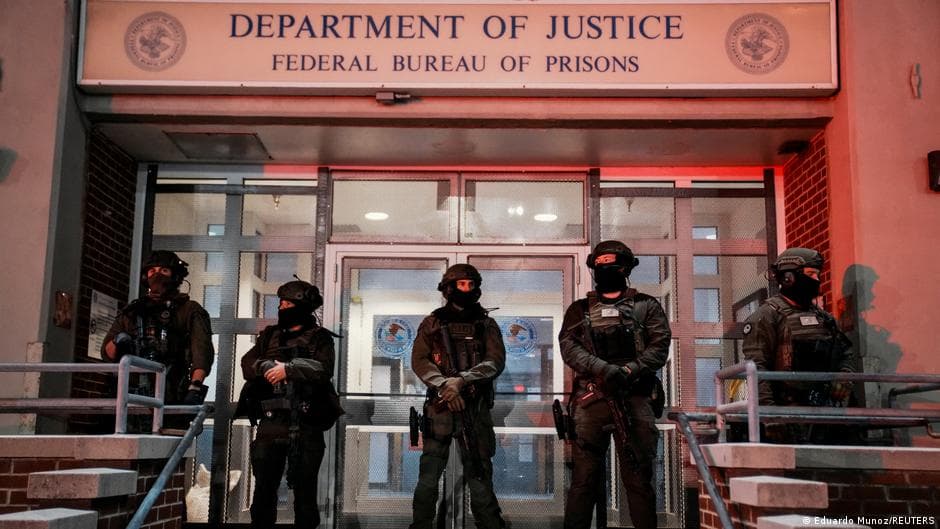
However, legal experts have questioned the legality of the operation, with Professor Matthew Waxman stating that 'a criminal indictment alone doesn't provide authority to use military force to depose a foreign government,' and Professor Rebecca Hamilton arguing that bringing a sitting head of state before a domestic court violates international law.
The Biden administration's approach of diplomatic pressure stands in stark contrast to Trump's decisive military action.
Political Dynamics
The capture of Maduro has created complex political dynamics within Venezuela and among its diaspora.
“I categorically reject this aggression, which could escalate and lead to a transnational armed conflict”
Venezuela's Supreme Court quickly appointed Vice President Delcy Rodriguez as acting president to 'guarantee administrative continuity and the comprehensive defense of the nation.'
While millions of Venezuelans abroad celebrated the capture as the end of a dictatorship that forced 7.7 million people to flee the country, Venezuelans inside the country face an uncertain future.
Opposition leader María Corina Machado, recently awarded the Nobel Peace Prize, called for Edmundo Gonzalez, widely regarded as the legitimate winner of the 2024 elections, to assume the presidency.
However, experts like Oliver Della Costa Stuenkel warn that Maduro allies may mobilize protests and that the remaining government may be able to maintain power.
International Reactions
The international community has reacted sharply to the US operation, with stark divisions emerging between nations.
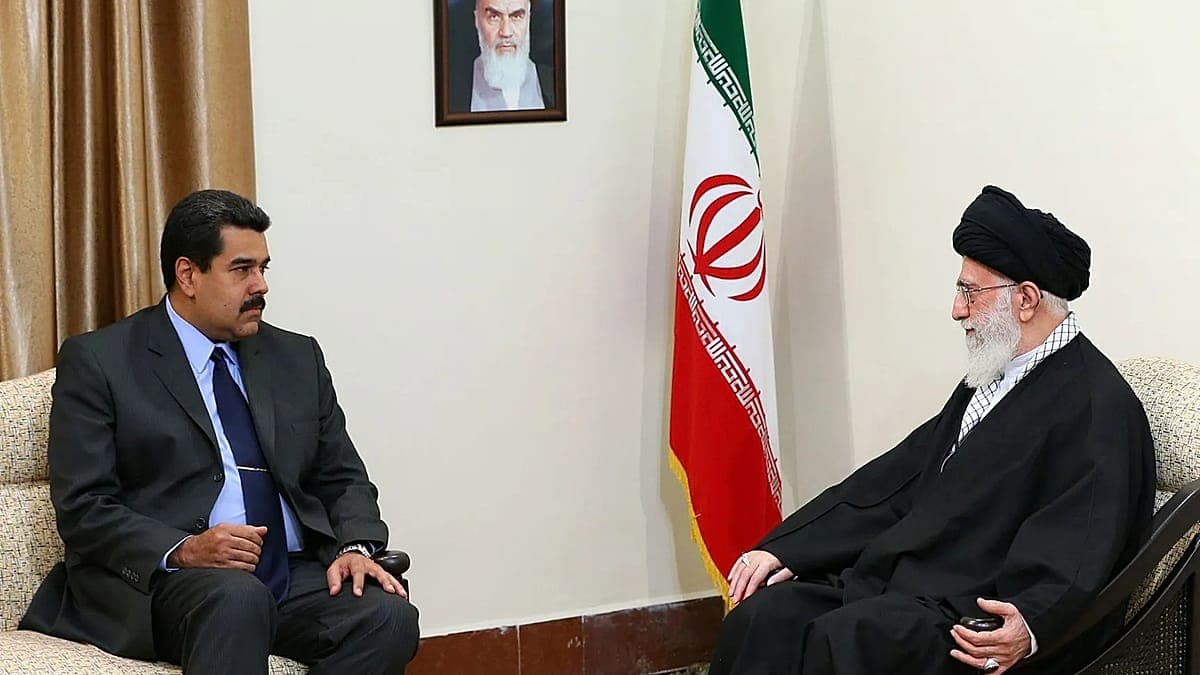
Russia, Iran, China, and Cuba have all condemned the attack as a violation of international law, with Russia calling it 'an act of armed aggression' and China labeling it 'hegemonic behavior.'

Cuba reported that 32 of its citizens were killed in the attacks, including military and intelligence personnel who were 'on a mission at the request of Venezuela.'
In contrast, Germany, the UK, and the EU have hailed Maduro's ouster while calling for international law to be respected.
Israel has strongly supported the operation, with Foreign Minister Gideon Sa'ar declaring that the US 'acted as the leader of the free world' and Diaspora Affairs Minister Amichai Chikli calling it a 'fatal blow to the global axis of evil.'
Future Implications
President Trump has made clear that the US intends to maintain control over Venezuela's government and resources until a political transition can occur.
“The simultaneity of these two factors, external pressure and internal erosion, has created an environment in which earlier crisis-management tools and social reassurance mechanisms have largely lost effectiveness”
'We're going to run the country until such time as we can do a safe, proper and judicious transition,' Trump announced, adding that US forces were prepared for 'a second wave of strikes' if necessary.
The administration has signaled it will allow American oil companies to access Venezuela's vast crude reserves, with Trump declaring 'We're going to have our very large United States oil companies, the biggest anywhere in the world, go in, spend billions of dollars, fix the badly broken infrastructure, the oil infrastructure, and start making money for the country.'
Trump also invoked the Monroe Doctrine, declaring 'American dominance in the Western Hemisphere will never be questioned again' and hinted that other countries including Colombia, Mexico, and Cuba could face similar US actions.
More on South America
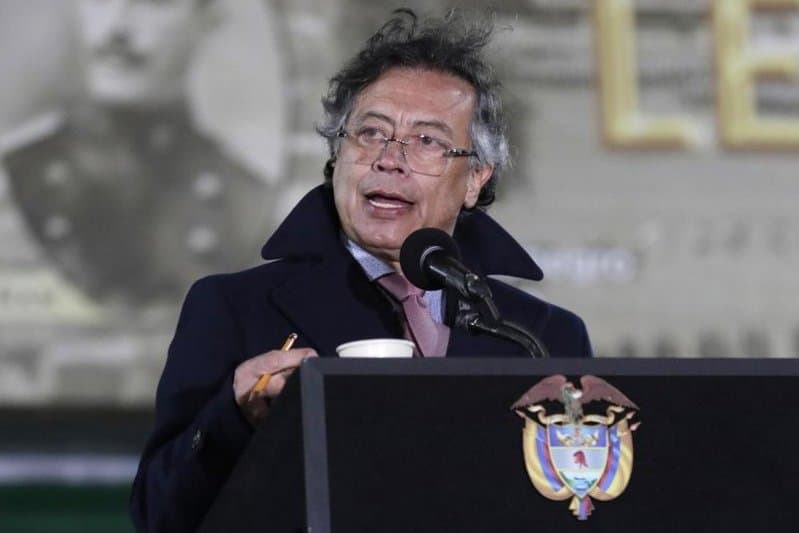
Colombia’s Petro Accuses Ecuador of Bombing Near Border
11 sources compared

Former Venezuelan President Nicolás Maduro Captured by U.S. in Venezuela Strike
14 sources compared
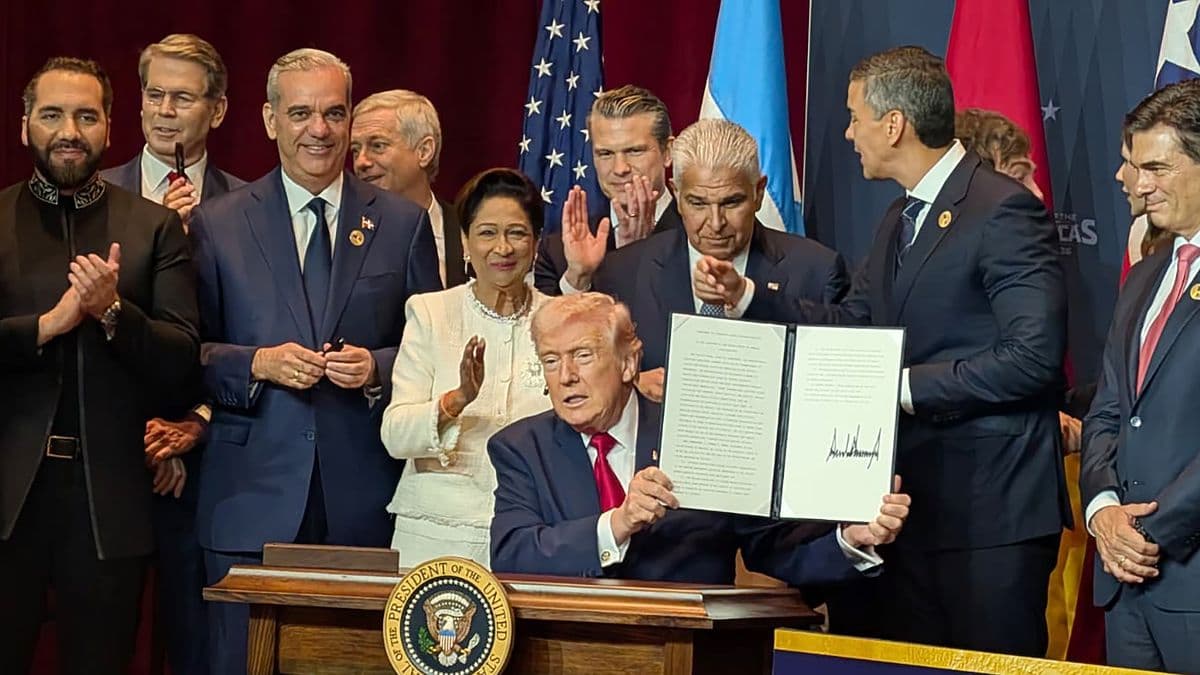
President Trump Offers Missiles to Latin America to Destroy Cartels
54 sources compared

US Restores Diplomatic Relations With Venezuela Months After Trump-Ordered Raid Captured Maduro
68 sources compared