South America06 January, 20263 min read
U.S. Forces Capture Nicolás Maduro in Lightning Caracas Raid
U.S. forces captured Nicolás Maduro in a surprise military raid in Caracas. Maduro and his wife pleaded not guilty to narcotics and weapons charges in New York.

12 outlets told this the same way.
Outlets did split on Alexandre de Moraes Orders Eduardo Bolsonaro Arrest, Cancels Passport, Enforces Four-Year Sentence →
Maduro capture and arraignment
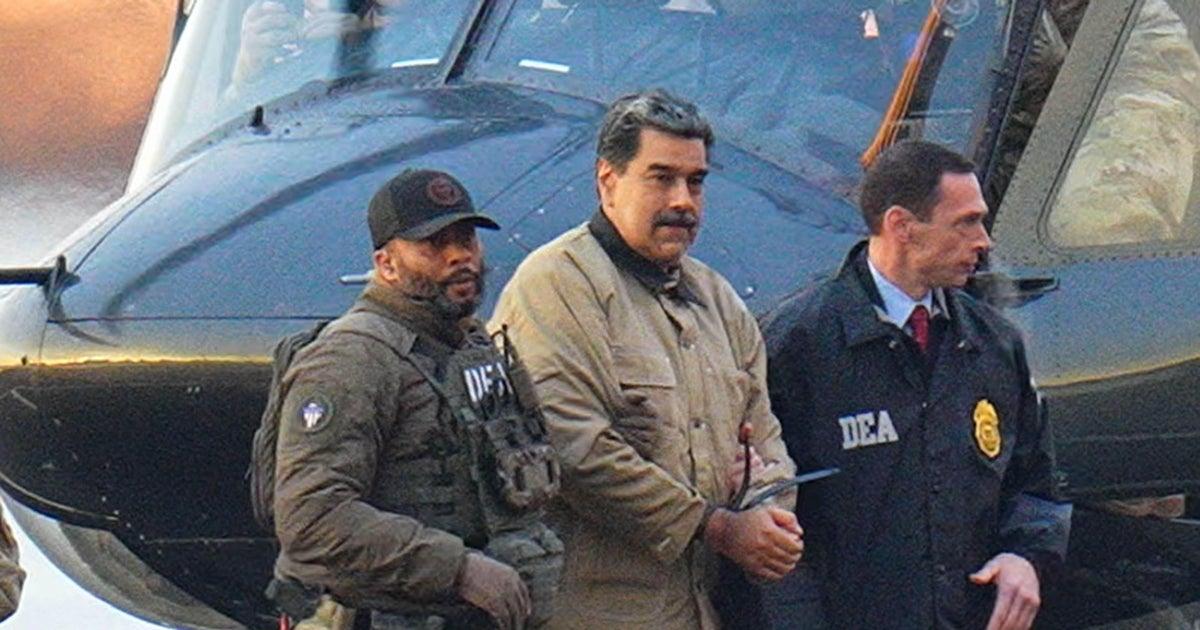
U.S. special operations forces carried out a surprise weekend raid in Caracas that captured ousted Venezuelan president Nicolás Maduro and his wife.
“Venezuelan president Nicolás Maduro was seized in a dramatic US Special Forces raid in Caracas and flown to New York, where he and his wife were arraigned in Manhattan federal court.”
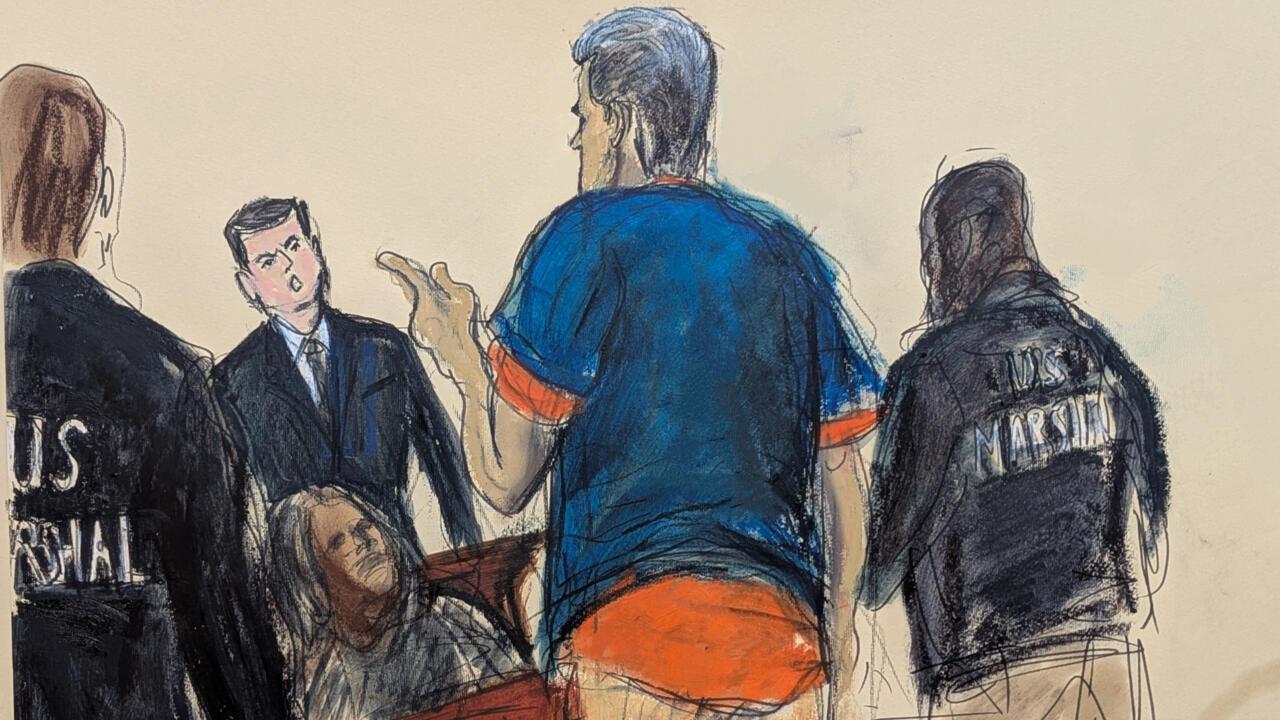
Both were flown to New York and appeared in federal court in Manhattan, where they pleaded not guilty, according to multiple reports.
France 24 described the action as a dramatic U.S. Special Forces raid in Caracas that ended with Maduro and his wife arraigned in Manhattan federal court.
CNN reported that the United States removed the couple from Venezuela and that they appeared in a Manhattan courtroom on Monday.
CBS News said the couple were flown under heavy guard from a federal jail in Brooklyn to Manhattan for their first U.S. court appearances after being captured by U.S. forces.
U.S. operation in Caracas
U.S. officials described the on-the-ground force in Caracas as substantial. Defense Secretary Pete Hegseth and other administration figures said nearly 200 U.S. personnel were on the ground, reported to include Delta Force and an FBI unit. U.S. officials emphasized there were no American fatalities, although some service members were injured.
CNN reported involvement of nearly 200 personnel, including Delta Force and an FBI unit, and quoted Hegseth asserting no U.S. deaths. KVIA repeated similar figures and reported that Cuban authorities said Cuban guards suffered most of the casualties. WHEC also cited Hegseth's 'nearly 200' figure while noting officials' assertions of no American fatalities.
Political fallout and responses
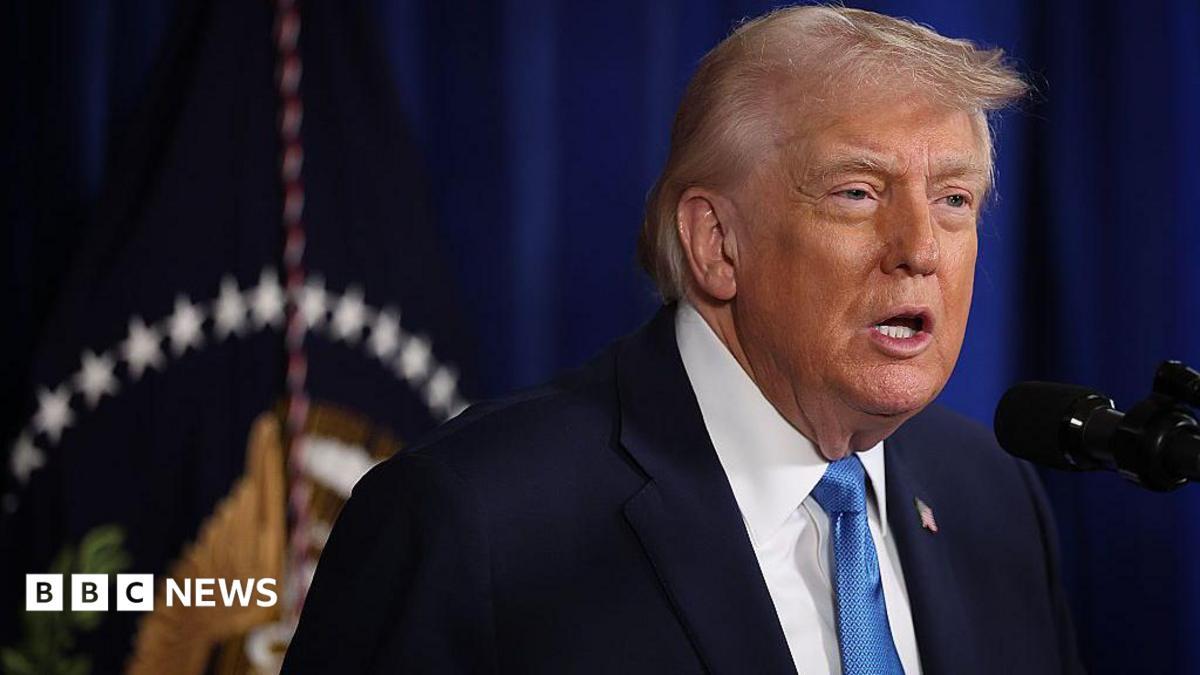
The operation produced sharp political fallout at home and abroad. U.S. leaders publicly framed the American role in blunt terms, with President Trump saying he is ultimately "in charge" of Venezuela and suggesting officials who carried out the operation "should say … 'you did a great job,' 'Thank you, congratulations,'" per The Independent and CNN.
“Trump said he is ultimately ‘in charge’ of Venezuela, predicted it will take under 18 months and substantial investment to rebuild Venezuela’s oil infrastructure (though industry sources are skeptical), and said elections are not possible until the country is stabilized.”
Caracas moved to keep governance functioning when Vice President Delcy Rodríguez was sworn in as acting president. According to CBS, Rodríguez presented a mix of cooperation and denunciation, calling Maduro’s capture a kidnapping even as she sought to cooperate after the fact.
Maduro charges and oil
Maduro faces U.S. criminal charges that several outlets summarized in detail. France 24 says prosecutors lodged four counts, including narco-terrorism, cocaine importation conspiracy, and possession of machine guns and destructive devices. France 24 also reported Maduro's public denial that the charges are a pretext for U.S. designs on Venezuela's oil.
CBS and CNN noted the courtroom pleas and the administration's public suggestion that U.S. firms could eventually rebuild Venezuela's oil industry. President Trump predicted oil recovery in about 18 months, while observers warned of political risk and high costs.
Geopolitical and humanitarian fallout
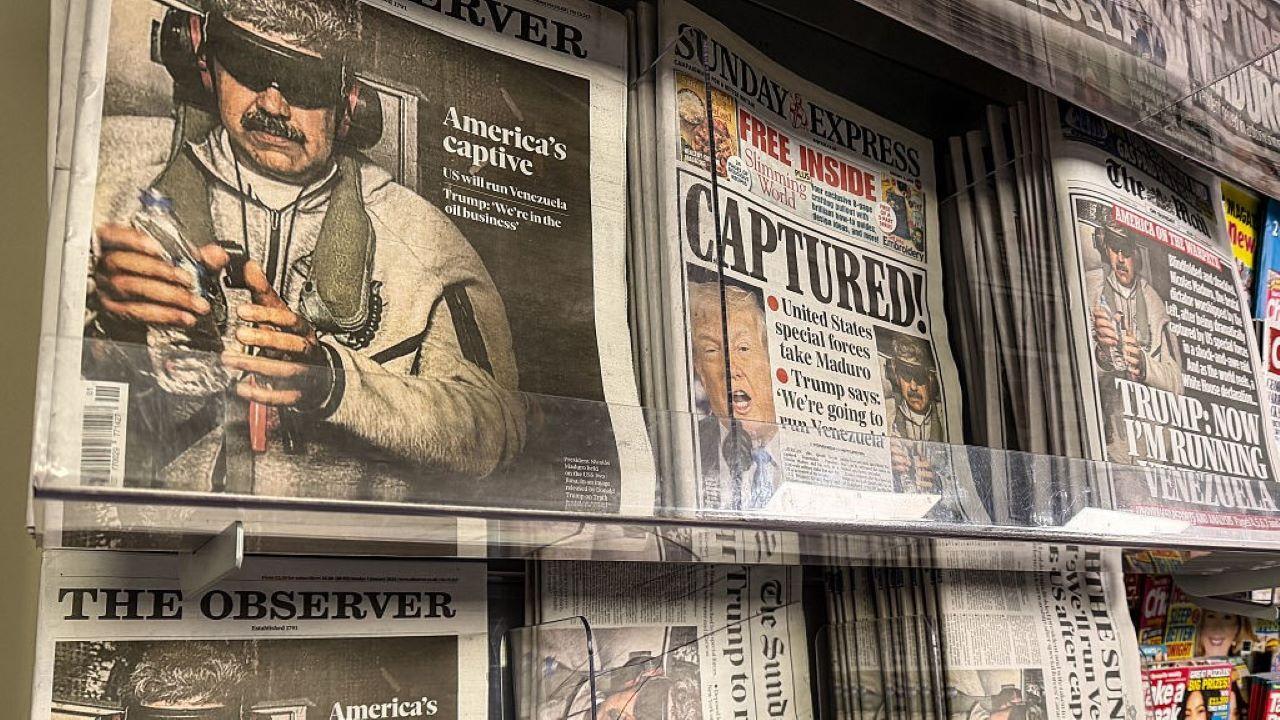
Beyond immediate operational and legal consequences, the raid highlighted geopolitical and humanitarian stakes. WHEC reported that lawmakers protested being excluded from briefings and warned that the administration’s framing raised oversight concerns. WHEC and KVIA emphasized China’s large oil-backed loans to Venezuela (citing AidData estimates) and the UN’s assessment that nearly 8 million Venezuelans need humanitarian assistance, all of which complicate plans to stabilize and rebuild the country.
“Senators Chuck Grassley and Dick Durbin protested being excluded from a briefing on the operation, saying the administration wrongly prevented the Senate Judiciary Committee from receiving information about what the White House contends was a law-enforcement action involving DOJ.”
Some coverage also noted internal inconsistencies and off-topic remarks from officials. KVIA and CNN recorded Stephen Miller and others framing the mission as ongoing military activity and captured a curious remark from Miller and Trump about Greenland. Taken together, these developments broadened the story into a wider strategic and political debate.