South America09 January, 20262 min read
U.S. Forces Capture Venezuelan President Nicolás Maduro
This article is an automated aggregation of coverage from news outlets. Our editorials offer in-depth analysis curated by the NewsCord team.
Trump urged U.S. oil executives to invest in Venezuela's oil sector Oil executives warned investments are unviable without security guarantees and government financial assurances

5 outlets told this the same way.
Outlets did split on Brazil Police Kill Suspect After 13 Kindergarteners Held Hostage In Curitiba →
Maduro capture coverage
Following reports that U.S. forces captured Venezuelan President Nicolás Maduro, outlets emphasize different immediate consequences and framings.
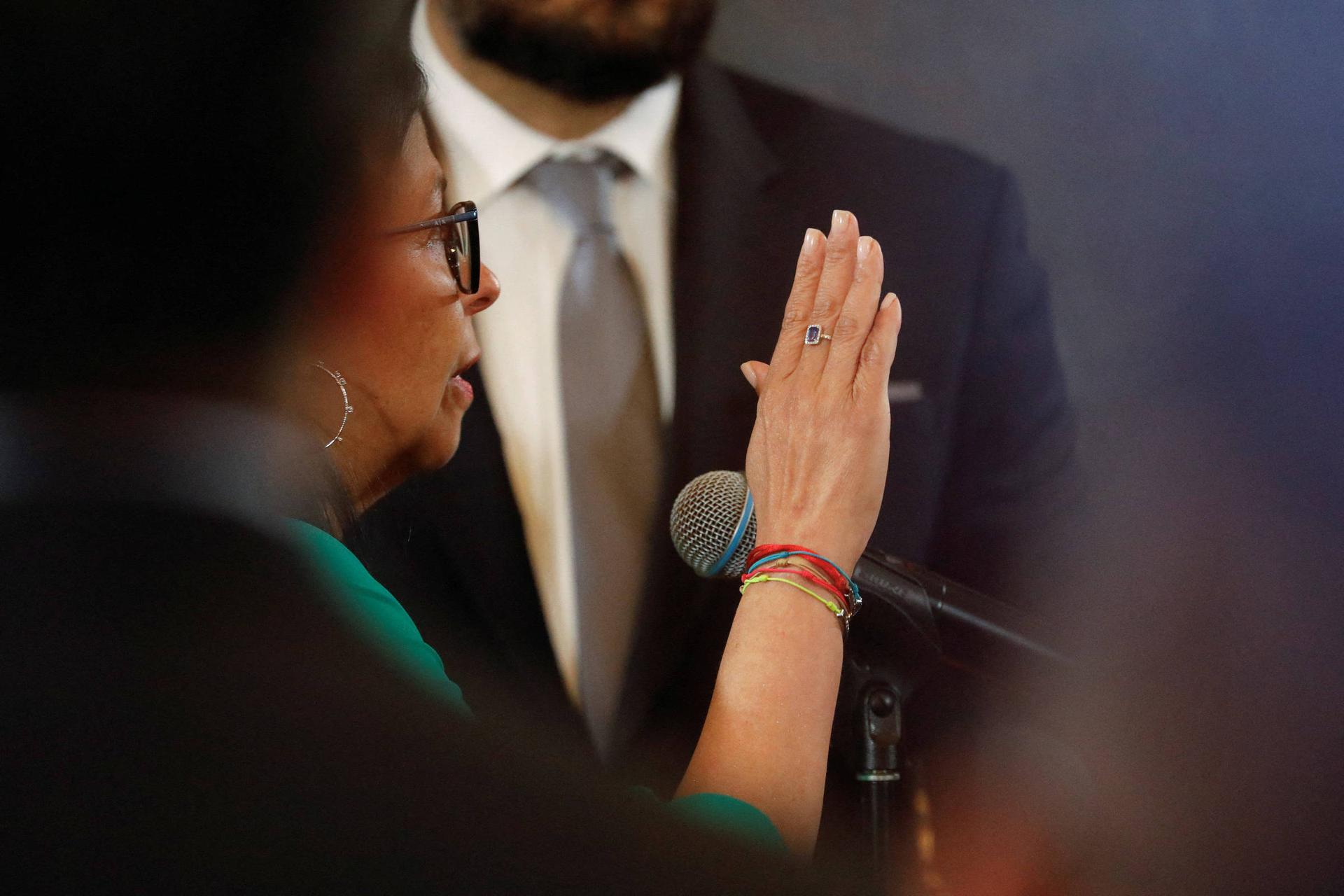
“Since the reported capture of Nicolás Maduro by U.S. forces about a week ago, Delcy Rodríguez has assumed leadership of Chavismo.”
Some pieces link the episode to broader U.S. policy moves abroad, describing it as part of 'coercive foreign-policy moves' and noting a 'reported raid to capture Venezuela’s Nicolás Maduro.'

Other reporting highlights internal Venezuelan political shifts, saying that Delcy Rodríguez has assumed leadership of Chavismo.
U.S. diplomatic activity in the region includes State Department teams assessing reopening the U.S. Embassy in Caracas.
These strands together paint a picture of a sudden leadership vacuum in Caracas, active U.S. diplomatic recalibration, and contested narratives over the motives and historical precedents behind the action.
Venezuela domestic consequences
Latin American coverage emphasizes Venezuelan domestic consequences. Folha de S.Paulo reports that Delcy Rodríguez has assumed leadership of Chavismo. The article says she inherits an economy that deteriorated after a growth period under Hugo Chávez (1999–2013).
Under Maduro, economic indicators worsened, deepening a longstanding structural crisis. The piece adds demographic and economic context, noting that over the past decade millions of Venezuelans emigrated, leaving the population at roughly 26.6 million.

Despite massive oil reserves, production has fallen since the 2000s and the economy remains oil-dependent. This domestic framing focuses on governance, economic decline, and migration as immediate consequences of Maduro's reported removal.
Western framing of U.S. policy
U.S. policy framing appears prominently in Western mainstream coverage. CNN links the reported operation to a long tradition of U.S. 'gunboat diplomacy' and imperialism.
“The piece compares Trump’s apparent push for Venezuelan oil to the Banana Wars era, when U.S. forces intervened across Central America and the Caribbean to protect business interests, with Marines occupying countries like Honduras, Nicaragua and Haiti.”
It invokes historical parallels—from the 1899 episode with the gunboat USS Wilmington and Colt machine guns in Venezuela to the Yangtze Patrol in China and the Banana Wars—and warns observers of risks of reviving a 'great-power, vassal-state dynamic'. This framing emphasizes coercion and historical continuity in U.S. behavior and interprets the episode as part of a geopolitical pattern rather than a discrete law-enforcement or humanitarian intervention.
U.S.-Colombia diplomatic shift
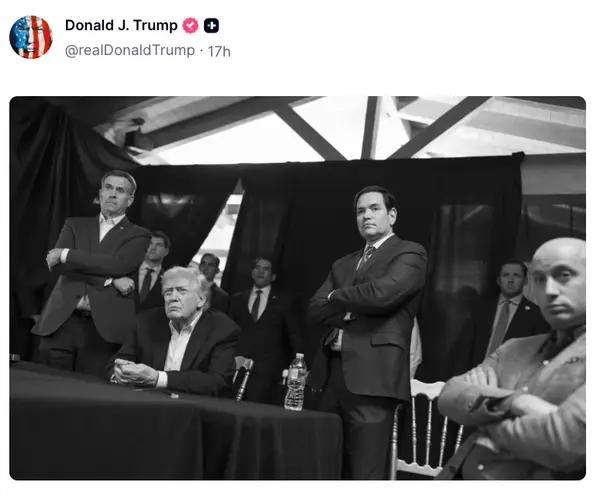
ABC11 reports that President Trump announced he will meet Colombia’s leftist President Gustavo Petro. The piece highlights a rapid tonal shift in U.S.-Colombia communication, moving from criticism (calling him a "sick man") to an invitation.
Coverage underscores strategic interests such as counter-narcotics pressure and the long-standing U.S. aid relationship, noting Colombia has received roughly $14 billion in U.S. aid over two decades. Reporting frames the post-capture environment as transactional diplomacy focused on embassy-level logistics and coordinated pressure on cocaine flows rather than grand historical narratives.
Coverage of reported capture
Sources differ sharply on interpretation and emphasis, and crucial details remain explicitly reported rather than independently verified in these excerpts. CNN stresses a historical-imperial interpretation ('gunboat diplomacy,' 'Banana Wars') and warns of a revived 'vassal-state dynamic'. Folha de S.Paulo treats the episode as a turning point for Venezuelan internal politics and a continuation of an economic collapse.
“Since the reported capture of Nicolás Maduro by U.S. forces about a week ago, Delcy Rodríguez has assumed leadership of Chavismo.”
ABC11 highlights diplomatic maneuvers, a U.S.-Colombia meeting and strategic interests around counternarcotics and embassy reopening. Given these divergent emphases and the repeated qualifier 'reported' in descriptions of the capture, the available texts leave open key factual and causal questions and do not allow definitive assertions beyond what the outlets explicitly report.