Syria30 December, 20252 min read
U.S. Forces Kill or Capture Nearly 25 ISIS Operatives in Syria After Ambush That Killed Two U.S. Troops and an Interpreter
Ambush in Syria killed two U.S. National Guard soldiers and an American interpreter. U.S. forces killed at least seven and captured about 18 ISIS operatives, nearly 25 total.

11 outlets told this the same way.
Outlets did split on France Suspends Police Stun Grenades at High School Protests After 15-Year-Old Loses Hand →
U.S. strikes in central Syria
U.S. forces conducted a concentrated campaign in central Syria.
“The U.S. military said Tuesday that nearly 25 Islamic State operatives were killed or captured in Syria this month after an ambush that killed two U.S. service members and an American civilian interpreter.”
The campaign followed a deadly ambush this month that killed two U.S. service members and an American civilian interpreter.
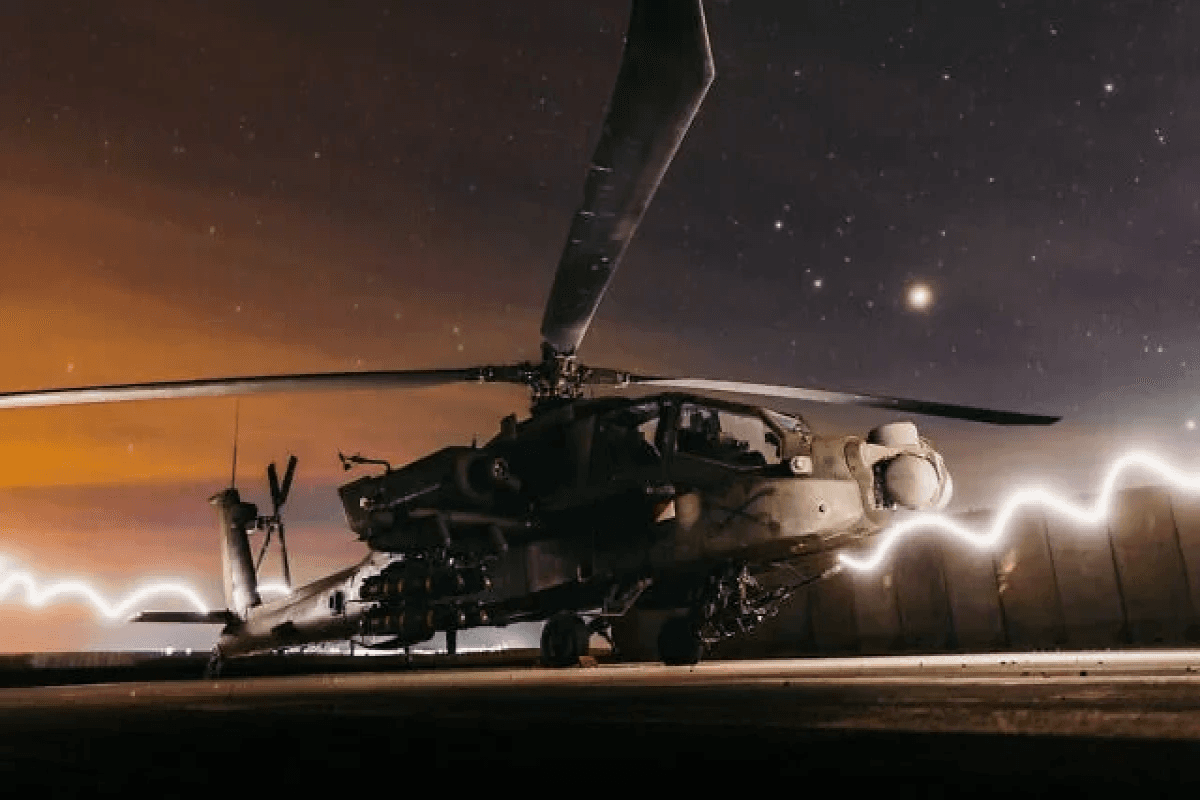
U.S. Central Command said nearly 25 Islamic State operatives were killed or captured during a series of counter-ISIS missions carried out between Dec. 20 and Dec. 29.
Officials said the missions followed larger strikes in mid-December and were framed as a direct response to the ambush and part of sustained pressure on ISIS in the region.
Summary of airstrikes
U.S. and partner forces earlier launched Operation Hawkeye Strike, carrying out large-scale airstrikes with Jordanian cooperation that hit scores of ISIS targets before the Dec. 20-29 missions.
Reporting described the strikes as extensive and precise, with India Today and other outlets noting more than 70 targets struck using precision-guided munitions, close air support, and artillery.
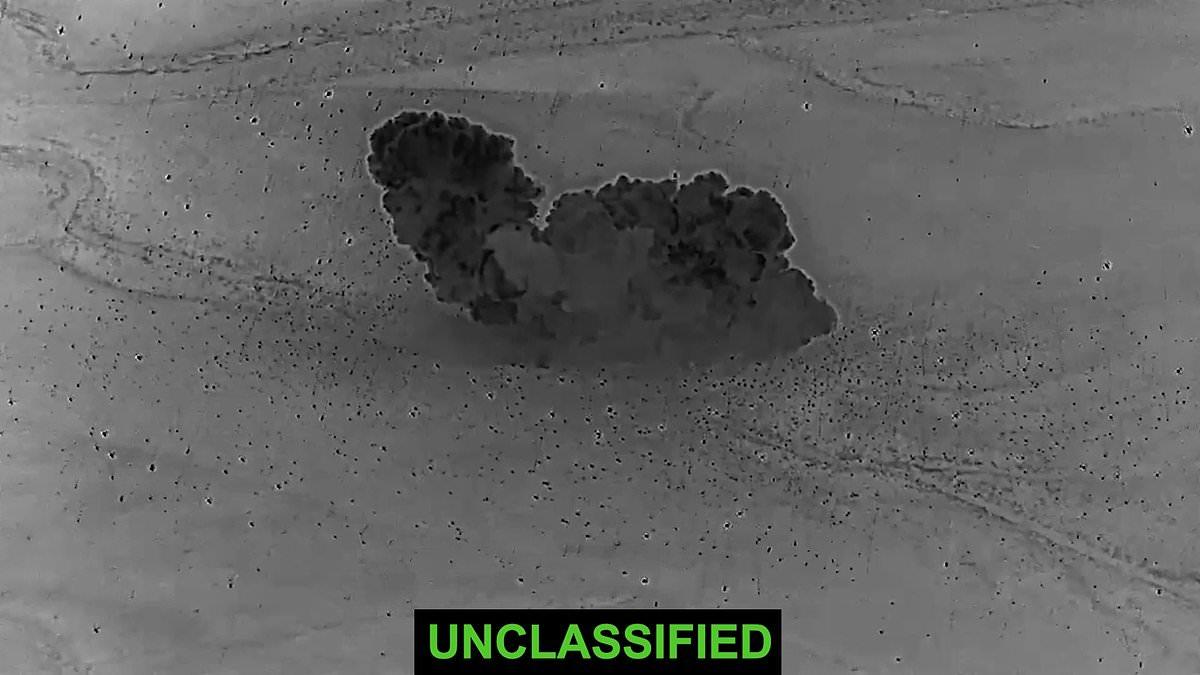
CENTCOM said the follow-on 11 missions targeted fighters and weapons caches to dismantle ISIS infrastructure.
Casualty reporting discrepancies
Sources differ in how they present the casualty and detention tally. CENTCOM's summary is commonly reported as 'nearly 25' total killed or captured. Some outlets report 'seven killed and more than a dozen captured' (Washington Post, NBC).
“The U.S. military announced Tuesday that it killed seven Islamic State fighters and captured more than a dozen in Syria as part of continued operations against the group.”
SOFREP gives a specific figure of 18 captured. Tabloid coverage (Daily Mail) says 'about a dozen captured'. These variations reflect different rounding, phrasing and the limited public detail from military statements.
US presence and local cooperation
Reporting diverges on cooperation with local actors and the U.S. footprint in Syria. Daily Mail cites an anonymous U.S. official saying growing cooperation with Syria's transitional government and participation by Syrian forces in some missions allowed U.S. forces to operate in previously inaccessible areas with an aim to eventually hand responsibility to Syrian authorities. SOFREP and other mainstream outlets emphasize the continued U.S. presence of about 1,000 troops alongside Kurdish-led forces to prevent an ISIS resurgence.
India Today notes coalition participation as well. Where outlets include anonymous officials or local-force details, they add operational context not present in terse CENTCOM summaries.

Media coverage differences
Western mainstream outlets like NBC, The Washington Post, and SOFREP largely follow CENTCOM’s account and add operational context. The Western alternative outlet PJ Media adds partisan commentary that praises U.S. leadership and frames the strikes as a deterrent. Tabloid coverage such as the Daily Mail emphasizes vivid detail and relies on anonymous sourcing about Syrian cooperation.
“The article mixes these facts with partisan commentary, praising President Trump’s rapid, forceful response and criticizing former President Biden’s military policies, using inflammatory rhetoric to frame the operation as a strong deterrent.”
Regional and Asian outlets like India Today and Apa.az situate the strikes within the broader context of coalition actions and other regional developments. Readers should note these tonal and framing differences when synthesizing the reported facts.