USA06 January, 20262 min read
U.S. Forces Move to Seize Sanctioned Venezuela-Linked Oil Tanker Off Ireland
This article is an automated aggregation of coverage from news outlets. Our editorials offer in-depth analysis curated by the NewsCord team.
U.S. forces plan to intercept and seize a sanctioned oil tanker in the Atlantic Ocean Vessel operates as Marinera, formerly Bella 1, carrying Venezuelan crude under changing flags
9 outlets told this the same way.
Seizure of Venezuela-linked tanker
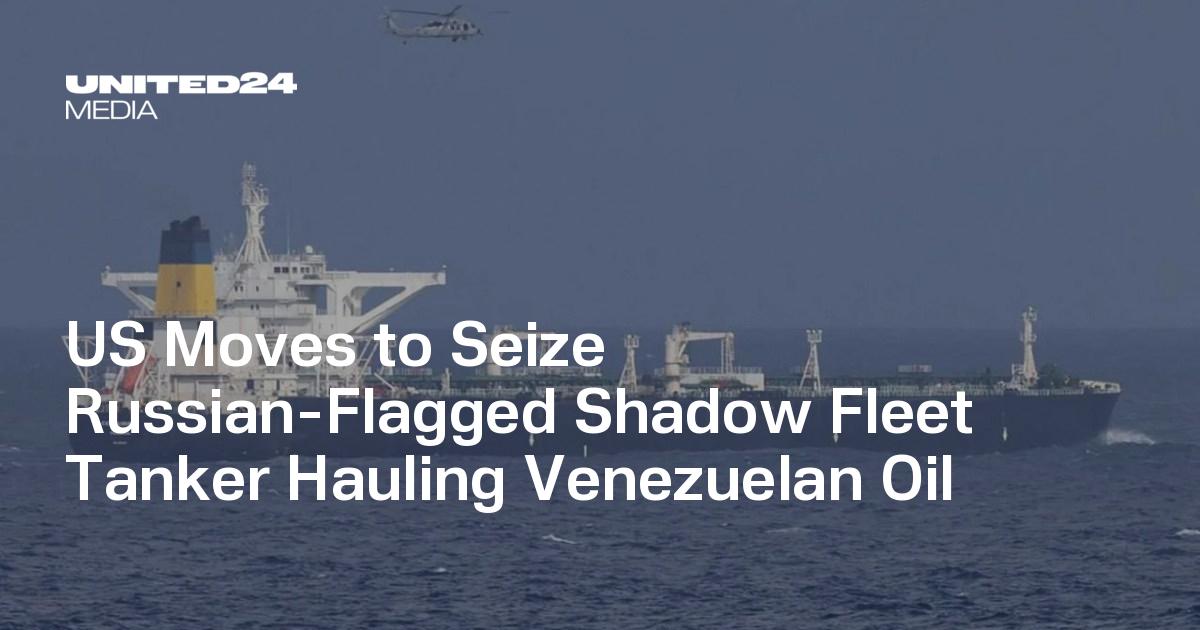
U.S. forces have moved to seize a Venezuela-linked oil tanker now identified as the Marinera (formerly Bella 1) after tracking it in the North Atlantic roughly 500 miles west of Ireland, with American planners preferring to take the ship intact rather than sink it. Reports say the vessel has been sanctioned for carrying Venezuelan crude and has been repainted and reflagged while attempting to evade enforcement. U.S. intelligence and maritime officials have been monitoring the ship, and the operation could take place as soon as this week though it could also be postponed.
“Intelligence sources told CBS the capture operation could take place as soon as this week, likely off Ireland if not delayed.”
Tanker identity and movements
Sources say the tanker changed names and flags and was last flagged to Panama. It was later listed in a Russian register under Sochi, and the crew painted a Russian flag on the hull to obscure its provenance.
Flight-tracking and maritime intelligence followed the vessel as it skirted toward Europe, with reports placing it in the Atlantic roughly 500 miles west of Ireland. Trading-intelligence firms and U.S. officials say many vessels in the so-called 'shadow fleet' spoof locations or turn off beacons to evade sanctions enforcement.

Venezuelan tanker boarding concerns
U.S. intelligence told CBS and other outlets that Venezuelan officials discussed placing military personnel aboard tankers disguised as civilians and even deploying Soviet-era portable air defenses, a detail that raises the stakes for any boarding operation. Multiple outlets report that U.S. planners prefer capturing a sanctioned vessel intact and cite last month’s multinational boarding of the Skipper as a model for such an operation. Authorities involved in planning and potential execution include the Coast Guard, the FBI, Homeland Security investigators, and special maritime response teams.
“U.S. intelligence officials told CBS News that Venezuela had considered putting military personnel on tankers disguised as civilians and deploying Soviet‑era air defenses...”
Diplomatic protest over interception
Russia has formally protested and asked Washington to stand down from interception attempts, adding a diplomatic layer to the enforcement action and raising the risk of an international incident. Several outlets report Moscow urged the U.S. to stop trying to intercept the vessel; some outlets frame that as a direct diplomatic request, while others describe it as coverage of Russia's reaction reported by The New York Times and CBS. Analysts and trade-intelligence firms cited in the pieces warn that seizures and spoofing behavior complicate energy markets and raise international legal questions.
Sanctions and maritime seizure
The episode sits at the intersection of sanctions enforcement, maritime law and geopolitical rivalry. Outlets trace it to a U.S. blockade announced in December, note last month's seizure of the Skipper as an operational precedent, and cite concerns about spoofed vessel positions and wider evasion tactics. Coverage differs on political framing: Irish Mirror foregrounds presidential involvement and military activity near UK bases.
“Washington announced a blockade of the fleet last month...”
The Independent stresses legal and sanctions context and the intelligence on spoofing. Straight Arrow News underscores diplomatic fallout with Russia. All sources used here agree on the core claims that the vessel is sanctioned, tracked, reflagged, and that the U.S. aims to seize rather than sink it.
