South America05 January, 20262 min read
U.S. Forces Seize Maduro in Surprise Caracas Raid, Fly Him to New York Ahead of Arraignment
U.S. forces seized Venezuelan President Nicolás Maduro and his wife in a surprise Caracas operation U.S. forces flew Maduro to New York for a federal arraignment on narco-terrorism charges
19 outlets told this the same way.
Outlets did split on Alexandre de Moraes Orders Eduardo Bolsonaro Arrest, Cancels Passport, Enforces Four-Year Sentence →
Maduro capture and U.S. response
U.S. forces conducted a surprise pre-dawn operation in Caracas that captured Venezuelan President Nicolás Maduro and reportedly flew him to New York to face U.S. criminal charges, including narco-terrorism and drug-trafficking counts. The Justice Department unsealed an indictment, and Maduro is due to appear in federal court in Manhattan. The administration publicly displayed images of Maduro blindfolded and handcuffed.
“U.S. forces reportedly captured Venezuelan President Nicolás Maduro in a surprise operation and transferred him to the United States to face criminal charges.”
President Trump framed the action as a forceful intervention, saying the United States would "run" Venezuela temporarily and that the U.S. was "in charge." Several outlets reported that U.S. officials described the mission as a law-enforcement operation to bring Maduro to New York, while Venezuelan authorities condemned the seizure as an illegal, "cowardly kidnapping."

Reported military operation details
Multiple accounts describe a complex, heavily planned operation involving elite forces, air power and covert tracking. The Australian Broadcasting Corporation named it Operation Absolute Resolve and said more than 150 aircraft were launched from about 20 bases and strikes hit military sites.
Other outlets reported intense early-morning strikes, damage to residential areas, and images of Maduro blindfolded and handcuffed. Reports also indicate strikes and casualties across states and that embedded Cuban personnel were killed, though the exact death toll varies between reports and has not been independently verified.

Legal and diplomatic fallout
The seizure prompted immediate legal and diplomatic controversy. U.S. officials argued the operation was lawful law enforcement aimed at bringing indicted suspects to justice. International lawyers, human rights observers and several governments questioned the legality of seizing a foreign head of state and conducting operations without clear congressional authorization.
“Western nations and international lawyers questioned the legality of seizing a foreign head of state, and Russia and China denounced the action as a violation of international law.”
Reactions split regionally and politically. Some right-wing leaders and investors welcomed the move. Russia, China and many left-leaning regional leaders condemned it as unlawful or destabilizing.
Venezuela political aftermath
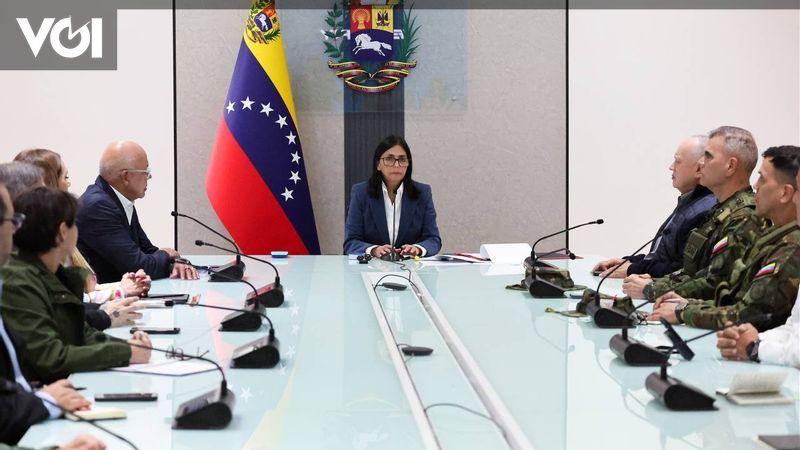
The immediate political aftermath in Venezuela was chaotic. The Supreme Court named Vice‑President Delcy Rodríguez as interim president under a temporary absence clause intended to avoid triggering an immediate election. The military reportedly backed Rodríguez.
Reports said many ministers remained in office. Caracas was unusually quiet, with fear and mixed reactions among citizens and opposition figures. Venezuelan officials and the defense minister called Maduro’s capture a kidnapping and condemned the killings of soldiers and civilians.
Geopolitical and economic fallout
Analysts warn the operation could have far‑reaching geopolitical, economic and humanitarian consequences. Commentators flagged a possible power vacuum, displacement and disruption to the oil sector. Investors and markets showed immediate interest.
“Observers warn of a likely Venezuelan power vacuum, security and humanitarian instability, displaced populations and economic disruption (including effects on oil markets and aid flows).”
Some outlets warned of escalatory tensions with Russia, China and other regional actors. They also noted domestic U.S. political implications from President Trump's rhetoric about accessing Venezuelan oil and 'running' the country.