USA12 December, 20252 min read
US Forces Travelers From 42 Visa‑Waiver Countries To Hand Over Five Years Of Social Media History
Visa‑waiver visitors from 42 countries must submit five years of social media history. Proposal requires additional data: email addresses, phone numbers, family details, and biometrics.

15 outlets told this the same way.
Outlets did split on Trump Interrupted by Protesters at San Antonio Rally for Ken Paxton →
Proposed ESTA changes
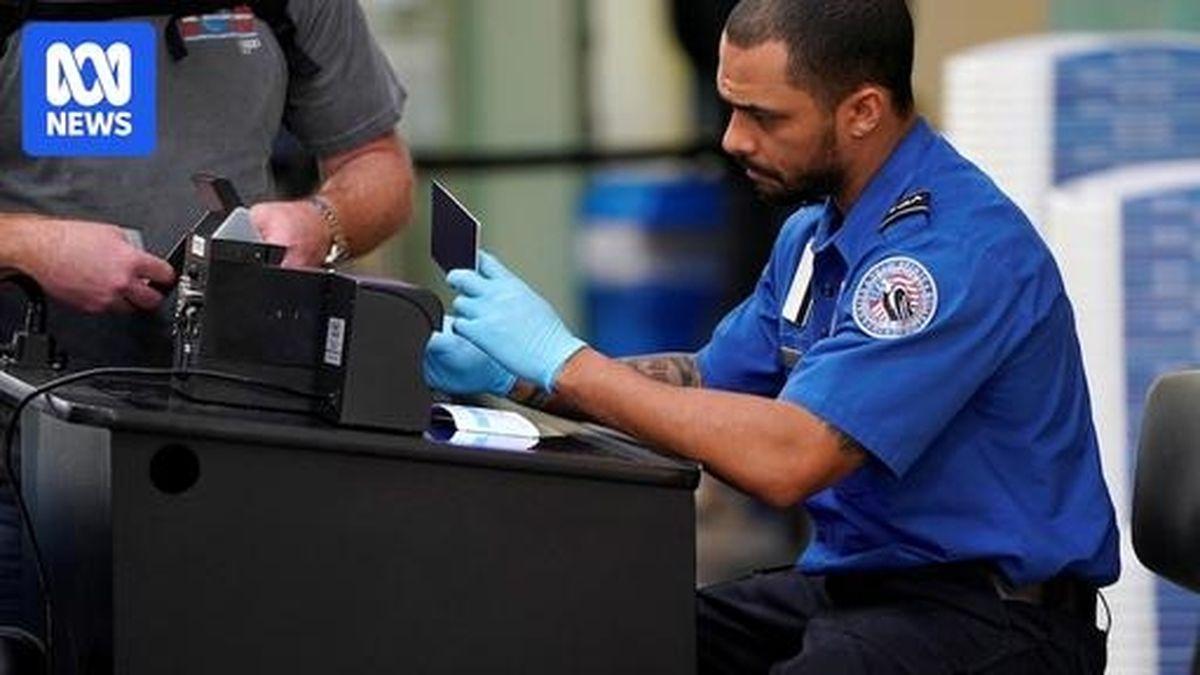
U.S. Customs and Border Protection (CBP), operating under the Department of Homeland Security (DHS), has proposed a major redesign of the ESTA process.
“CBP proposes collecting up to five years of social media data, telephone numbers used over the past five years, and email addresses used over the past 10 years.”
The draft rule would require travelers from the 42 Visa Waiver Program (VWP) countries to provide far more personal information.

It would make five years of social-media history mandatory for VWP applicants and require phone numbers used over the past five years and email addresses from the past ten years.
The proposal would also expand collection of family details and technical data such as IP addresses and photo metadata.
The proposal contemplates adding biometric identifiers such as face scans, fingerprints, DNA, and iris scans, and could convert ESTA into a mobile-only application system.
ESTA screening proposal summary
CBP and DHS justify the changes as implementing an executive order and as measures to detect security threats earlier. Agencies describe the proposal as aligning ESTA screening with other visa-applicant checks introduced since 2016 and as a response to evolving threats. At the same time, the Federal Register notice did not specify how social-media content would be evaluated, and officials linked the proposal to national-security aims rather than offering technical evaluation criteria.
Privacy and Civil Liberties
Civil liberties groups, privacy advocates, and travel-industry observers reported immediate alarm, warning the draft rule is broad, could chill free expression, threaten privacy (and possibly include private messages), and deter tourism. Those concerns are amplified by major upcoming events such as the 2026 FIFA World Cup.
“Civil‑liberties issues: Critics warn the rule could invade digital privacy (possibly including private messages), chill free expression, and lead to unfair profiling based on online views or activity.”
European data-protection questions and the risk of profiling or misinterpreting satire or pseudonymous accounts are common themes in the criticism. Critics also question whether expanded data would actually predict risk.
Coverage of ESTA policy
Coverage varies on procedural details, legal context, and timing.
Some outlets highlight the public-comment window and specific dates, with Patrika noting comments open until Feb. 9, 2026 and CBC mentioning a 60-day comment period.
Others trace the policy's roots to earlier social-media questions introduced in 2016 or to State Department practices since 2019.
A few outlets stress technical features like converting ESTA to a mobile-only system.
These differences reflect editorial priorities, contrasting focus on procedural and legal context with emphasis on technical implementation.
International travel data impacts
The international and legal implications are stressed unevenly across outlets. Some sources raise European privacy and GDPR concerns, potential diplomatic friction, and the practical risk that failure to provide required data could bar travellers.
“European concerns: Switzerland, Italy, France, Germany and other EU countries have not formally objected yet, but the social‑media disclosure raises strong privacy worries and potential conflicts with EU data‑protection laws (GDPR).”
Others list the affected countries to show how wide the impact would be. Practically, the rule would touch traditional U.S. partners including the U.K., Germany, Japan, Australia, Israel and South Korea, and could complicate travel for millions who now rely on visa-free travel.