USA18 December, 20252 min read
U.S. Government Admits FAA and Army Negligence Caused Potomac Midair Collision, Killing 67
This article is an automated aggregation of coverage from news outlets. Our editorials offer in-depth analysis curated by the NewsCord team.
U.S. government admitted FAA and Army failures caused the midair collision that killed 67 Army Black Hawk pilots and a Reagan National air traffic controller failed to follow procedures
10 outlets told this the same way.
Outlets did split on Trump Interrupted by Protesters at San Antonio Rally for Ken Paxton →
Government admits crash responsibility
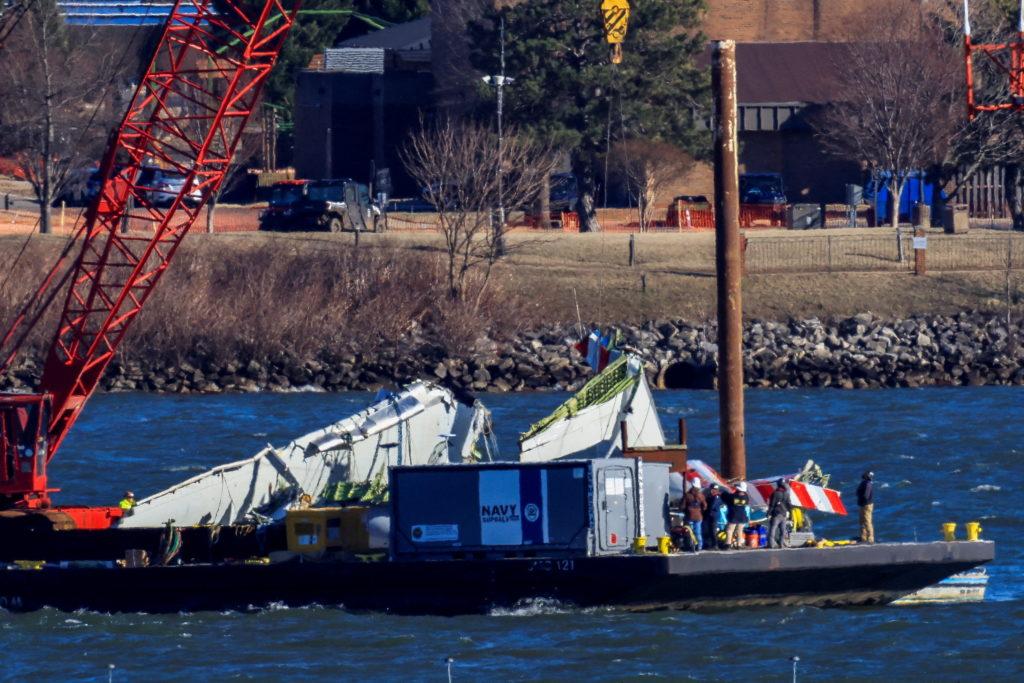
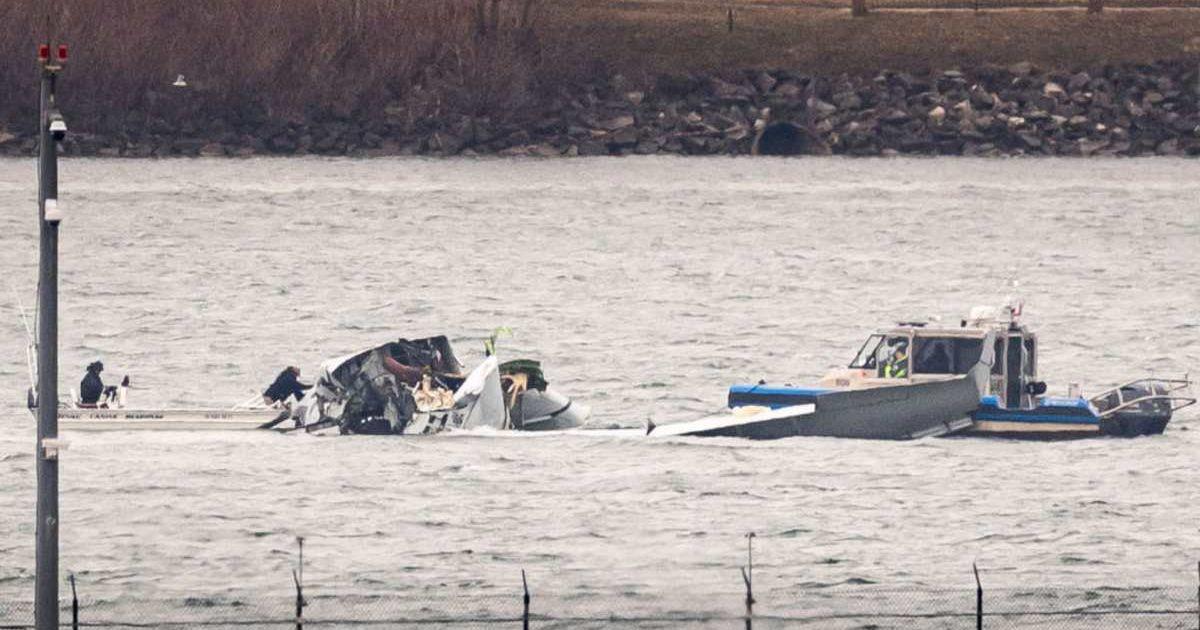
The U.S. government acknowledged in court filings that both the Federal Aviation Administration and the U.S. Army bore responsibility for the Jan. 29 midair collision over the Potomac River that killed 67 people.
“The U.S. government acknowledged in court that the Federal Aviation Administration and the Army bore responsibility for the Jan. 29 midair collision... that killed 67 people.”
Government attorneys said the filings admit procedural failures and crew errors in the crash of American Eagle Flight 5342 and an Army Black Hawk.
The case was brought by the family of a passenger seeking damages.
The admission appears across multiple filings and media reports as a central fact in the first civil suit filed by victims' relatives.
Aviation incident filing summary
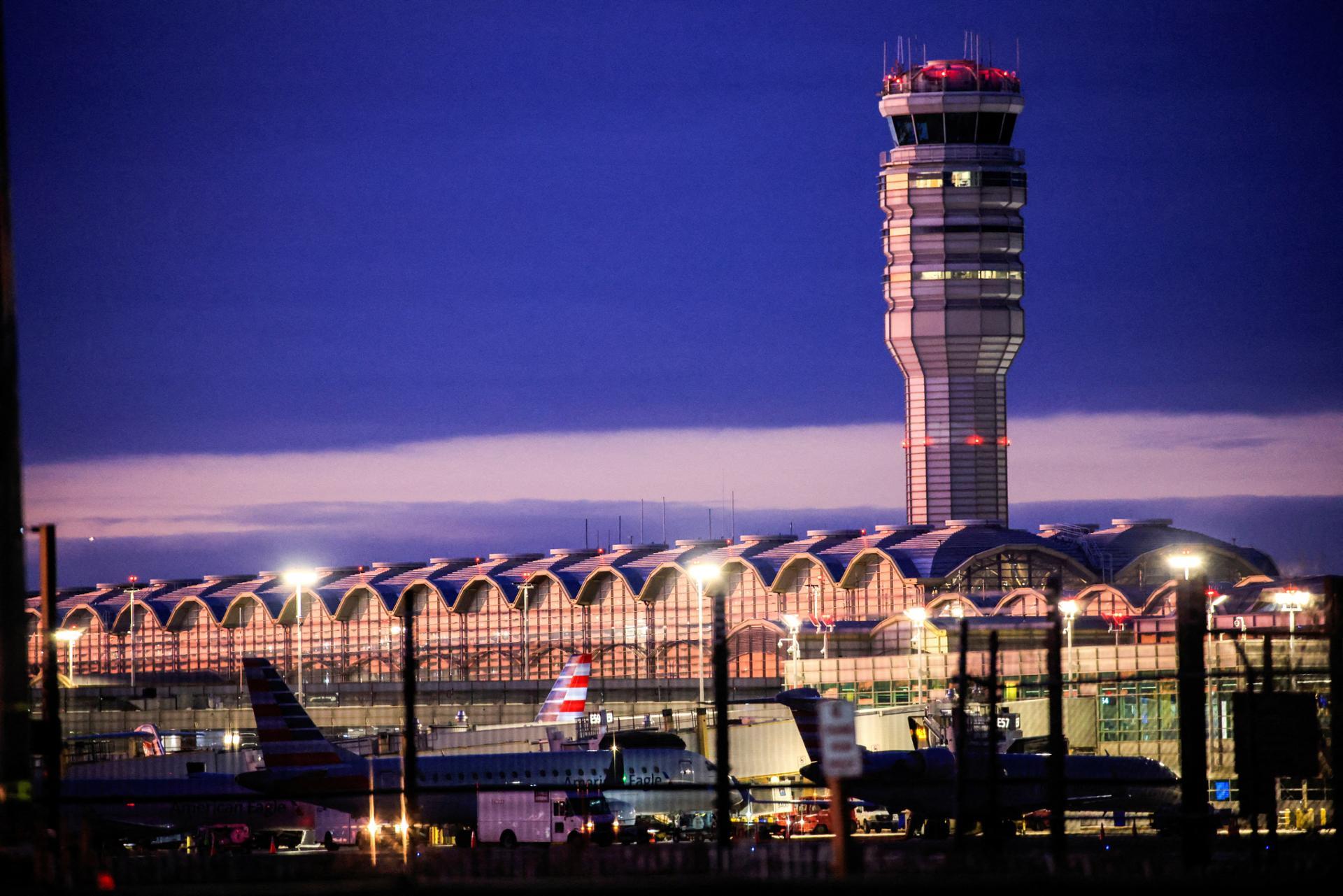
Court filings and media summaries explain the substance of the government's admission. They allege an FAA tower controller violated procedures by improperly relying on pilots to maintain visual separation.
The Army Black Hawk pilots are said to have failed to maintain vigilance or proper and safe visual separation from the airliner. Federal lawyers described the helicopter crew's actions as causative, and plaintiffs' attorneys and named airlines are already conducting pre-trial motions and liability reviews.

Investigation factors under review
Investigators, including the NTSB, are examining multiple contributory factors beyond procedural breaches. Those factors include the helicopter’s routing and altitude relative to landing aircraft. Investigators are also reviewing the crews’ use of night‑vision goggles and whether those goggles narrowed fields of view.
“Investigators and the NTSB have pointed to multiple factors: the helicopter was flying high on a route that left little separation from landing aircraft, the FAA had ignored dangers despite 85 near misses in three years, and controllers had become overly reliant on visual separation (a practice the FAA has since ended).”
Possible altimeter‑reading errors are being evaluated as a potential factor. Broader operational culture and systemic FAA oversight issues noted by safety reviewers are under scrutiny. The NTSB’s independent probe remains ongoing, with final findings and a probable cause determination expected in the coming weeks or months.
Legal blame and liability
The legal consequences and allocation of blame remain contested. The Department of Justice's filing acknowledges federal failures but also advances defenses aimed at limiting liability for some controllers.
Airlines named in the suit have moved to dismiss claims against them. Plaintiffs' lawyers, represented in reporting by attorney Robert Clifford and by Rachel Crafton, the spouse of a victim, say they will continue to press the case while carriers and other defendants review motions to dismiss.
Media coverage angles
Some outlets frame the story as a legal turning point that could permit damages claims and invite scrutiny of government practices and accountability. Other outlets emphasize the human toll and the severity of the crash.
“Investigators and the NTSB have pointed to multiple factors... the FAA had ignored dangers despite 85 near misses in three years...”
Investigative summaries stress systemic safety concerns that predated this accident. Despite differing angles, media accounts align on the core facts reported in the filings and on the ongoing NTSB probe, but unresolved questions remain and the final NTSB determination is still awaited.