Protests03 October, 20252 min read
US Government Deports Salvadoran Journalist Mario Guevara for Exposing Migrant Arrests
Mario Guevara was arrested in June while covering a protest near Atlanta on migrant arrests. He spent nearly four months in ICE detention before being deported to El Salvador.

27 outlets told this the same way.
Outlets did split on France Suspends Police Stun Grenades at High School Protests After 15-Year-Old Loses Hand →
Journalist Deportation Case
Mario Guevara, an Emmy-winning journalist from El Salvador, was deported from the United States after covering protests against President Donald Trump's immigration policies.
“Guevara, living in the US without legal residency, was arrested in Georgia in June while covering protests against President Donald Trump's immigration policies.”
Guevara had lived in the U.S. for over 20 years and was arrested in Georgia while reporting on the unjust arrests of migrants.

Although he was initially charged with misdemeanors, these charges were later dropped.
The U.S. Department of Homeland Security labeled him an illegal alien due to a removal order pending since 2012, which led to his deportation.
Guevara and advocacy groups like the Committee to Protect Journalists argue that his deportation was a retaliatory act against his journalism.
This case highlights concerns about press freedom under the Trump administration.

Response to Journalist Deportation
Guevara's deportation has sparked widespread condemnation from press freedom advocates and human rights organizations. The Committee to Protect Journalists (CPJ) and Free Press have condemned the deportation as a troubling sign of declining press freedom in the U.S. under the Trump administration.
They argue that Guevara's case is a clear example of retaliation against journalists who report on sensitive issues like immigration. The American Civil Liberties Union (ACLU) also criticized the government's actions, highlighting the potential chilling effect on press freedom and the targeting of journalists for their work.
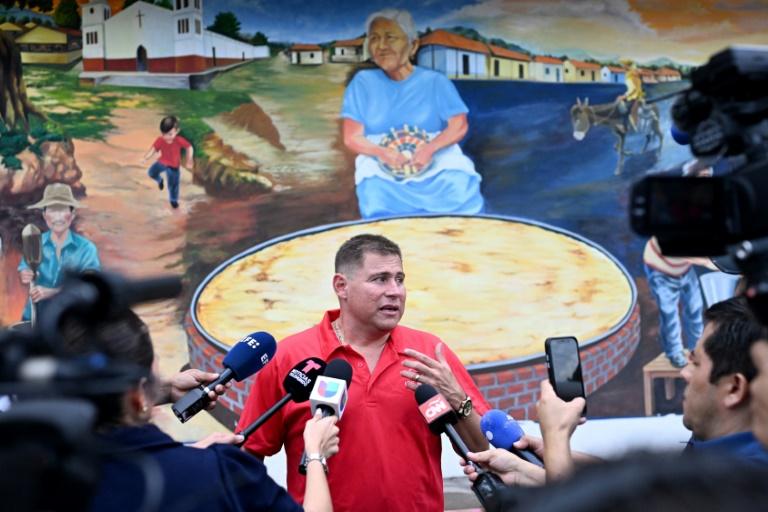
Guevara's Deportation Case
The legal proceedings surrounding Guevara's deportation were complex and involved multiple courts. Despite being granted bond by an immigration judge, the government appealed the decision, citing concerns over his reporting on law enforcement. The Board of Immigration Appeals reopened his prior case, leading to his deportation.
“An immigration judge had granted him bond, but the government appealed, citing past asylum denial and concerns over his reporting on law enforcement.”
Guevara's attorneys and the ACLU have challenged the legality of his detention and deportation, arguing that it was a retaliatory act against his journalism. The case has drawn attention to the use of immigration enforcement against journalists and activists, raising concerns about the erosion of press freedom in the U.S.
Impact of Guevara's Deportation
Guevara's deportation has had a profound impact on his family and community. His son, Oscar, expressed heartbreak over his father's detention and deportation, emphasizing the personal toll it has taken on their family. Guevara's family and supporters have vowed to continue his work through the organization he founded in Georgia.
Despite the challenges, Guevara remains committed to journalism and has expressed his intention to continue reporting from El Salvador. His case has become a symbol of the broader struggle for press freedom and the rights of journalists in the U.S.
