USA06 November, 20252 min read
US Government Orders 10% Flight Cuts at Major Airports Amid Shutdown Crisis
This article is an automated aggregation of coverage from news outlets. Our editorials offer in-depth analysis curated by the NewsCord team.
FAA will reduce flights by 10% at 40 major U.S. airports starting November 7. Flight cuts respond to severe staffing shortages among unpaid air traffic controllers.

25 outlets told this the same way.
Outlets did split on Trump Interrupted by Protesters at San Antonio Rally for Ken Paxton →
US Flight Capacity Cuts
Facing the longest U.S. government shutdown in history, U.S. aviation authorities are moving to cut flight capacity by 10% across 40 major markets to preserve safety. This decision comes as unpaid air traffic controllers increasingly call out or face fatigue. FAA Administrator Bryan Bedford and Transportation Secretary Sean Duffy announced the reductions would begin Friday.
“Bedford and Transportation Secretary Sean Duffy announced that the FAA will reduce air traffic by 10% across 40 high-volume markets beginning Friday morning.”
They described the step as unprecedented and aimed at easing pressure on the system amid day-36 shutdown conditions. Multiple outlets note the plan centers on a 10% cut across 40 high-volume or major airports and markets. The FAA warned that more actions could follow if staffing pressures continue.

Air Traffic Controller Shortages
Officials and industry trackers say controller shortages are acute. FAA facilities report 20–40% absenteeism at major airports, with many controllers unpaid, on mandatory overtime, or calling out due to financial strain and fatigue. To ease workload and keep the system safe, authorities project daily reductions of up to 1,800 flights and more than 268,000 seats.
Added measures include limits on space launches and impacts to visual-flight-rules traffic. Some sources note the plan focuses largely on the busiest airports. Others describe a broader, system-wide traffic cut across 40 markets.
Airline Delays and Route Cuts
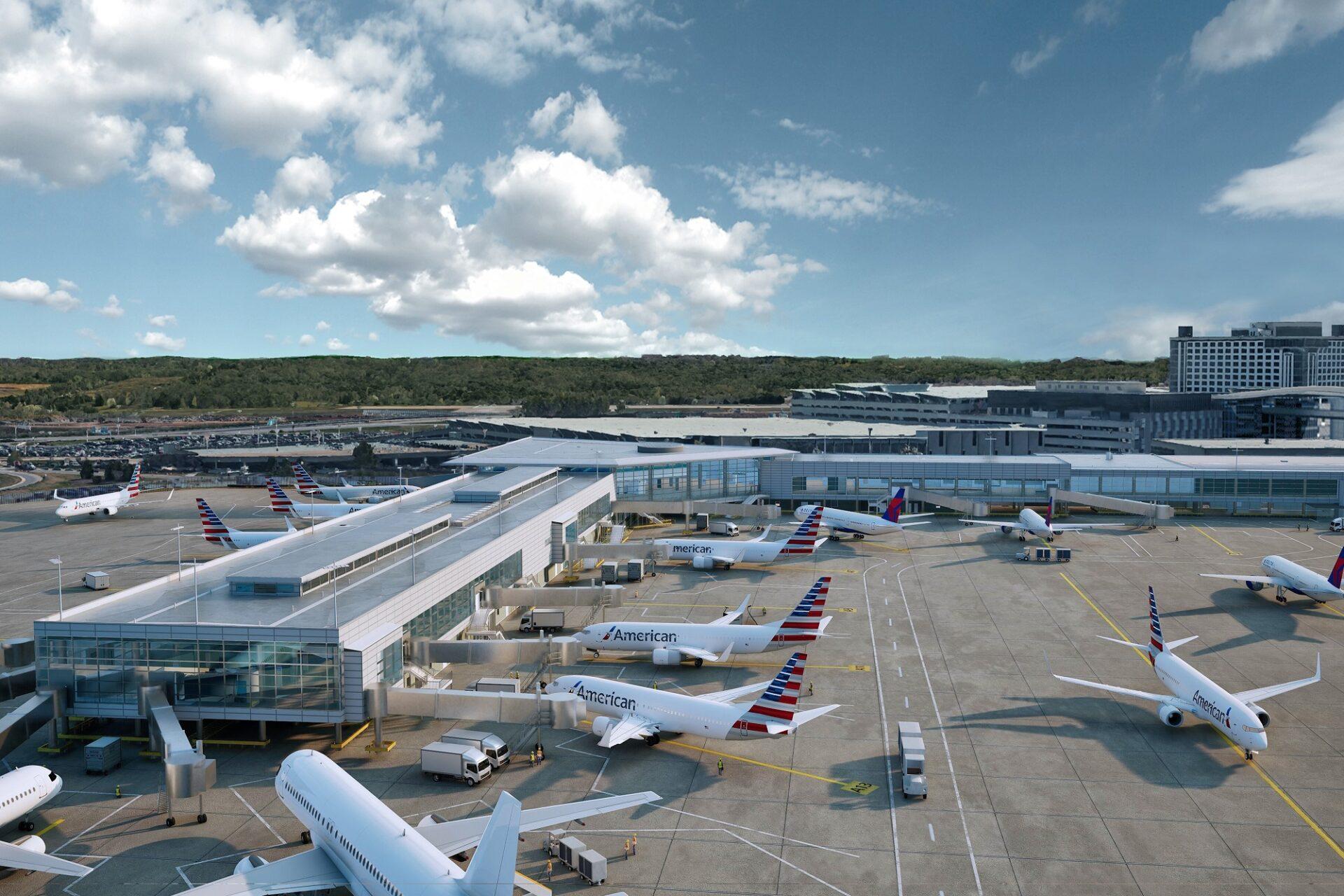
Travelers are already feeling the crunch as more than 3.2 million passengers have been affected by delays and cancellations. Airlines are reducing regional and non-hub routes while offering rebooking and refunds to impacted customers. They are also coordinating with the government to manage these service reductions.
“Major airlines like United, Southwest, and American are adjusting schedules, mainly cutting regional and non-hub routes while offering rescheduling and refunds to minimize passenger disruption.”
Local reports highlight ground stops and possible market-specific cuts. Industry groups are working closely with the administration to address the situation. Stocks of major carriers have dipped slightly amid the ongoing turmoil.
Government Shutdown Impact
The political backdrop is a bitter stalemate over health‑care subsidies, with shutdown day‑counts at 35–36 and starkly different estimates of how many federal workers are affected. Western Mainstream sources emphasize an Obamacare‑subsidy funding dispute and cite roughly 750,000 furloughed workers. West Asian and Asian outlets stress broader fallout and tally as many as 1.4 million furloughed or unpaid workers.
These sources also note that President Trump has largely stayed out of negotiations or refused to engage until the government reopens. Calls to end the Senate filibuster also feature in several accounts, even as most Republicans oppose that move.

Potential Shutdown Consequences
What happens next could be volatile. Officials warn of further restrictions if shortages persist. Unions and industry are pressing Congress to end the shutdown.
“The FAA warned that more restrictions may follow if the situation continues.”
Some sources cite extreme risks, including partial airspace closures or even mass federal firings threatened by the president. Some reports warn disruptions could worsen if the shutdown passes six weeks, as political tensions escalate and leaders face pressure to resolve the deadlock.
