USA24 October, 20253 min read
US Government Plans to Deport Kilmar Abrego Garcia to Liberia Despite Legal Objections
The US government plans to deport Kilmar Abrego Garcia to Liberia by October 31, 2025. Liberia agreed to accept Abrego Garcia after three other African countries declined.
43 outlets told this the same way.
Outlets did split on Trump Interrupted by Protesters at San Antonio Rally for Ken Paxton →
U.S. Deportation Plan for Garcia
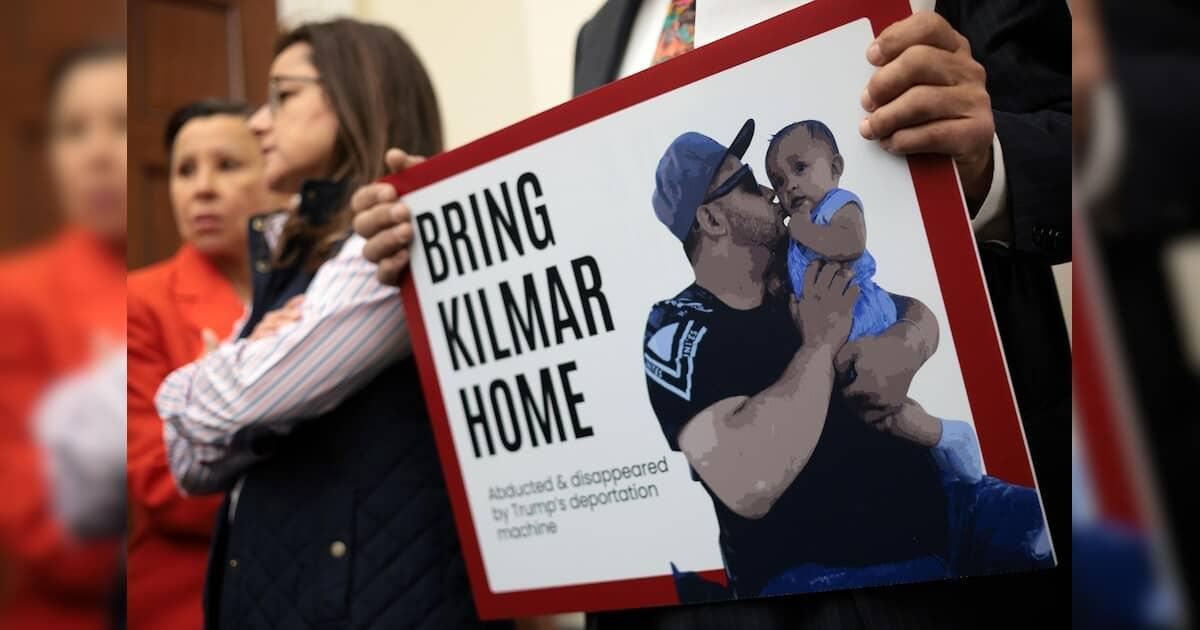
The U.S. government plans to deport Kilmar Abrego Garcia, a Salvadoran national, to Liberia as early as October 31, according to recent court filings. His earlier mistaken deportation to El Salvador violated a settlement agreement and led to his Supreme Court-ordered return in June. Since he cannot be returned to El Salvador, officials have sought a third country and now describe Liberia as a democratic partner with strong human-rights protections and humane refugee treatment.
“The U.S. government plans to deport Kilmar Abrego Garcia, a Salvadoran national, to Liberia as early as October 31, according to a recent Department of Homeland Security court filing.”
Coverage varies in tone: several outlets present the plan as a neutral procedural step, while others emphasize that Abrego Garcia’s legal team condemns the move as punitive and unconstitutional. The timeline and rationale—court orders, prior failed attempts in other African nations, and the Department of Homeland Security’s portrayal of Liberia—are consistent across multiple accounts.

Legal Debate Over Deportation
Legal objections center on whether deporting Abrego Garcia to Liberia is lawful or punitive and whether sufficient assurances exist to prevent him from being sent on to El Salvador. A federal judge in Maryland previously blocked his immediate removal, and his lawsuit claims the administration is using deportation to punish him for earlier errors. His lawyers argue Costa Rica is willing to accept him and offers non-refoulement assurances.
The government, by contrast, says it has diplomatic assurances from Liberia and frames the country as a safe third destination. Some coverage points to human-rights concerns flagged in U.S. reporting on Liberia. Court skirmishes have escalated, with subpoenas and clashes over transparency as judges weigh detention and removal.
Selection of Liberia for Deportation
How and why Liberia was selected is framed differently across outlets. DHS and DOJ depictions—echoed in several reports—cast Liberia as a close partner and English-speaking democracy that would treat him humanely. Some coverage notes Liberia is not among the countries he fears.
“Liberia has agreed to accept his deportation, potentially as soon as October 31. Liberia is not among the countries Abrego Garcia fears, and the U.S. government describes it as a close partner and thriving democracy.”
Other outlets spotlight pressure tactics tied to plea negotiations and the government’s shifting country choices, including alleged threats to send him to different destinations depending on whether he pled guilty. Several stories also recount earlier failed attempts to deport him to Uganda, Eswatini, and Ghana, underscoring the administration’s trial-and-error approach.
Abrego Garcia's Asylum Case
Abrego Garcia’s background and risks are presented with varying severity. Multiple outlets note he was protected from deportation to El Salvador in 2019 due to fear of gang persecution and has applied for asylum. They also report he has a U.S. family in Maryland.
Accounts of his prior wrongful removal describe harsh conditions, with some reports saying he suffered psychological and physical torture while detained in El Salvador. Supporters argue deporting him to Liberia, a country with which he has no ties, would be punitive and inappropriate. This is especially significant given Costa Rica’s willingness to accept him as a refugee.

Legal Dispute and Case Details
The criminal case and timing disputes add to the controversy. Coverage notes he faces human-smuggling charges in Tennessee, has pleaded not guilty, and claims the prosecution is vindictive. Defense lawyers and some outlets say the government’s rush to remove him before key November hearings is coercive.
A Maryland judge found a “realistic likelihood” of vindictiveness, and subpoenas for high-level officials have been issued ahead of an evidentiary hearing. Meanwhile, other accounts focus on the basic procedural posture—custody status, the not-guilty plea, and upcoming deportation notifications.
