USA29 October, 20253 min read
US Government Revokes Nobel Laureate Wole Soyinka’s Visa After He Criticizes Trump
Wole Soyinka’s US non-immigrant visa was revoked by the US consulate in Lagos. Soyinka believes the visa revocation followed his public criticism of President Donald Trump.

28 outlets told this the same way.
Outlets did split on Trump Interrupted by Protesters at San Antonio Rally for Ken Paxton →
Wole Soyinka Visa Revocation
Nigerian Nobel laureate Wole Soyinka says the United States revoked his visa. The official letter cited unspecified “additional information” obtained after issuance. Reports vary on what this means in practice.
“The official reason given for the visa cancellation cited unspecified ‘additional information’ obtained after issuance.”
AP News notes officials told him he could reapply if he wished. The Guardian describes it as the Trump administration effectively banning him. Soyinka linked the move to his recent remarks calling Donald Trump a “white version of Idi Amin.”
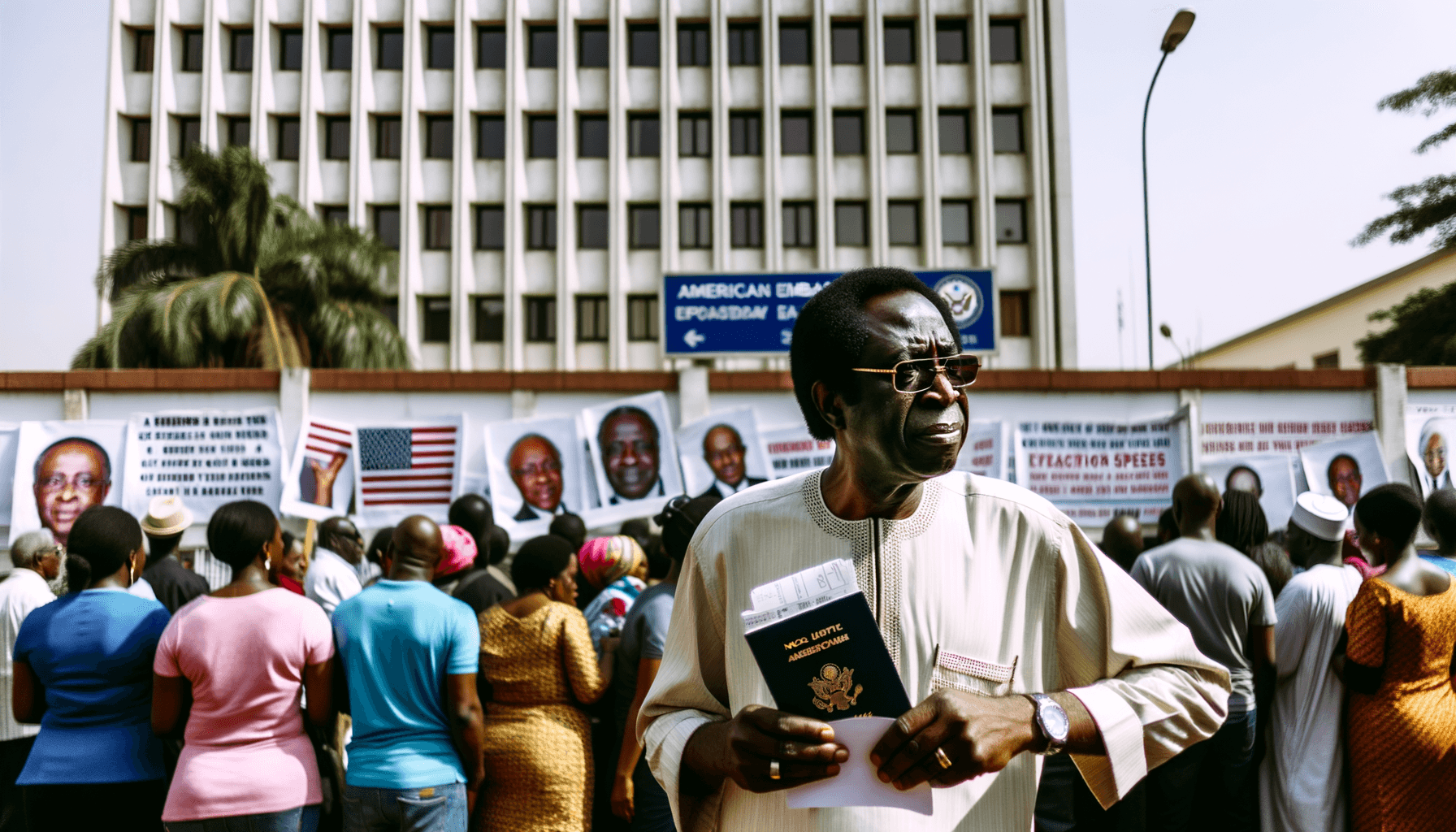
The letter itself did not provide a specific reason for the revocation. Accounts also differ on the procedure followed.
Some reports say he declined a reassessment interview. Others highlight a consulate request for him to bring his passport for cancellation.
U.S. Visa Policy and Political Context
Several outlets place the decision in a broader political timeline and policy context. The Indian Express and Latest news from Azerbaijan assert the visa was issued under Biden in 2024 but rescinded during Trump’s second term. They frame it within a wider immigration crackdown and actions against perceived critics.
Human rights advocates are quoted as calling such cancellations politically motivated. EconoTimes adds a Nigeria-specific angle, noting the embassy’s recent tightening of Nigerian non-immigrant visas from multi-year to short single-entry permits.
African outlet Kahawatungu similarly links Soyinka’s ban to recent U.S. visa policy changes affecting Nigerians and other African nationals. AP News reports the U.S. provided no detailed reason and declined public comment.
Soyinka's U.S. Green Card Protest
Soyinka’s own stance and history shape coverage. He previously destroyed his U.S. green card in protest over Trump’s election, though outlets differ on the year, citing either 2016 or 2017. He read the revocation letter publicly and has said he will not reapply, at times joking that he is effectively banned.
He also stresses a broader principle of human decency. Some accounts add nuance: he accepts the decision and focuses on others affected by U.S. policies. In one interview, he indicated willingness to travel to the U.S. again without seeking reinstatement.
Reactions to Visa Cancellations
Coverage also extends to reactions and implications. Asian and regional outlets like The Indian Express and Latest news from Azerbaijan report that human rights advocates condemned similar visa cancellations as punitive and politically motivated, casting Soyinka’s case as part of a wider trend. Grassrootreporters.ng describes the revocation as unusual and diplomatically sensitive, sparking debate among academics and civil rights advocates.
Western and Asian outlets document broader policy critiques tied to the Trump era. Newsweek highlights mass deportation policies and family separations.
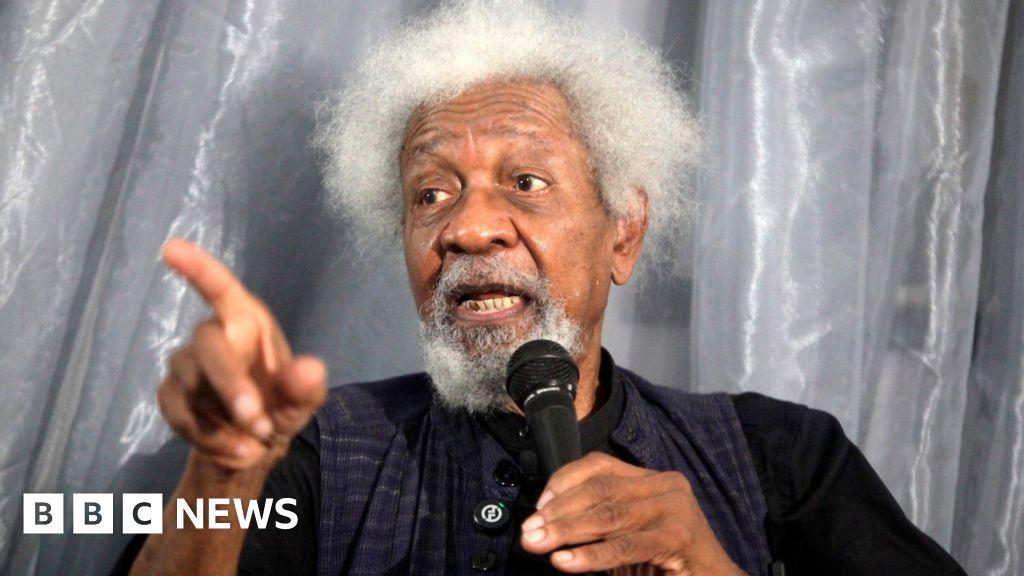
The New Indian Express references an immigration crackdown with aggressive raids and detentions. GhanaWeb focuses on the procedural fact that no reasons were given in the letter Soyinka said he received.
Visa Revocation Details
Key uncertainties and contradictions remain regarding the visa revocation. Multiple outlets say the revocation letter cited “additional information,” yet provided no details. Some sources describe Soyinka as effectively banned, while others note he can reapply.
“The official reason given for the visa cancellation cited unspecified ‘additional information’ obtained after issuance.”
Procedural accounts differ between a declined reassessment interview and a request to surrender his passport for cancellation. Some reports mention a broader tightening of Nigerian visa policy, while others focus strictly on Soyinka’s individual case.

The U.S. embassy has declined to comment in several stories, leaving the precise trigger for the revocation unclear. Soyinka portrays the revocation as politically motivated.