USA09 October, 20252 min read
US Government Shutdown Cripples FAA Staffing, Threatens Nationwide Flight Safety
Hollywood Burbank Airport's air traffic control tower was unmanned for nearly six hours. FAA faces severe air traffic controller shortages causing widespread flight delays nationwide.
39 outlets told this the same way.
Outlets did split on Trump Interrupted by Protesters at San Antonio Rally for Ken Paxton →
FAA Staffing and Flight Delays
A US government shutdown has sharply strained FAA staffing, with thousands of essential air traffic controllers working without pay. There has been a rise in sick calls, driving widespread delays across the airspace. Officials say the airspace remains safe but are slowing traffic to preserve safety amid shortages.
“The ongoing U.S. government shutdown is causing major disruptions at airports nationwide due to air traffic controller staffing shortages.”
These shortages have triggered more than 6,000 delays in a single day and forced ground delays at hubs from Phoenix and Denver to Newark and Washington, DC. Some facilities report staffing cuts of up to 50%.

Controllers face warnings from their union that unauthorized job actions are illegal even as financial stress mounts. The disruptions extend nationally, with the FAA ready to further reduce flow if staffing worsens.
Airport Staffing and Delays
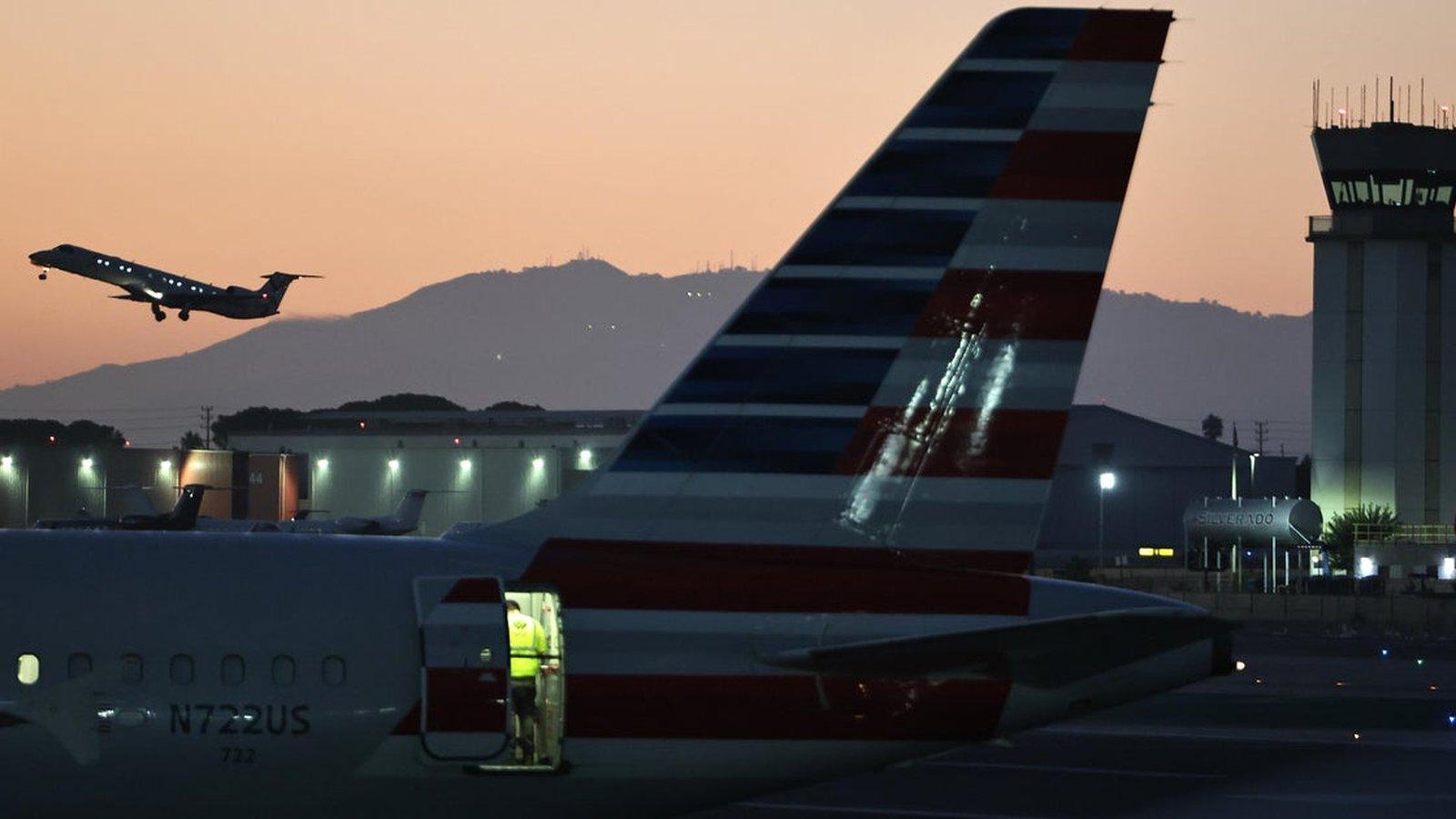
The most dramatic flashpoint was at Hollywood Burbank Airport, where the control tower went unstaffed for nearly six hours. This forced Southern California TRACON in San Diego to manage flights remotely. Average delays stretched to about two and a half hours, with some reaching four hours.
Operations even continued past the airport’s voluntary curfew. While Burbank struggled, nearby Southern California airports reported no staffing issues. This situation underscores how thin staffing can trigger acute local crises even as the broader region tries to cope.

US Air Traffic Challenges
Beyond a single airport, the air traffic control system in the US is fragile. The country is short roughly 3,000 controllers, many of whom are working long weeks without pay. Agencies are slowing traffic to preserve safety amid these staffing shortages.
“Secretary of Transportation Sean Duffy stressed that safety is the top priority, warning that increased sick calls could force flight reductions, leading to delays and cancellations.”
NATCA urges its members to keep working and warns against illegal job actions. At the same time, NATCA calls for faster hiring and training of new controllers. Officials warn of potential cuts to the Essential Air Service program that supports rural communities, particularly in Alaska, if the shutdown continues.
Political narratives differ: some blame former President Trump, others blame Democratic leaders. Many reports avoid assigning fault and instead focus on safety and staffing concerns.
Flight Delays and Staffing Issues
Other hot spots highlight the nationwide risk to air travel. Nashville’s approach facility reportedly closed for five hours with only four controllers showing up. Newark and Denver experienced average delays of 53 and 39 minutes respectively.
Nearly 6,000 flights were delayed in one day as the FAA identified more low-staffed facilities than at any time since the 2022 travel surge. Travelers are advised to check flight status, seek rebooking options, and understand refund rights if cancellations occur. Regulators are slowing takeoffs and landings to maintain safety within the system.

Impact of Aviation Funding Issues
The broader fallout reaches beyond airports, affecting tourism sites which have restricted access. Economic losses could reach up to $15 billion per week due to these disruptions. Aviation leaders warn of a slide from chaos to paralysis if funding is not restored.
“Aviation experts warn that prolonged shutdown heightens the risk of operational failures, causing growing chaos at airports.”
Union voices stress that missed paychecks and lack of overtime erode focus and performance. While some reports emphasize that airspace remains safe, the accumulating strain on staffing, training, and modernization threatens to degrade safety margins. Rural air connectivity is also at risk if the shutdown persists.