
US Grants 30-Day Waiver Allowing India To Buy Russian Oil, Zelenskyy Says It Fuels War
Key Takeaways
- U.S. announced a 30-day waiver temporarily easing sanctions on Russian oil shipments
- Zelenskyy condemned the waiver, saying it won't help stop Russia's invasion
- Treasury said waiver aims to ease supply disruptions and high crude prices after Iran war
Waiver announced; Kyiv critical
The U.S. Treasury Department announced a 30-day waiver allowing India to buy Russian oil, a decision Kyiv sharply criticised.
“Zelenskyy says US 30-day waiver on Russian oil sanctions is ‘not the right decision’ Zelenskyy says US 30-day waiver on Russian oil sanctions is ‘not the right decision’ PARIS (AP) — Ukrainian President Volodymyr Zelenskyy said Friday that the U”
Ukrainian President Volodymyr Zelenskyy called the waiver “not the right decision,” saying it “won’t help bring a stop to Russia’s more than 4-year-old invasion of Ukraine,” and warned the easing “could provide Russia with about $10 billion for the war.”
The waiver was described in reporting as intended to address disruptions from the Iran war, with the Treasury’s action announced on March 6 and framed by U.S. officials as a temporary measure to alleviate supply strains.
Zelenskyy: Fuels Russia
Zelenskyy argued the waiver would materially strengthen Russia’s ability to fund its war effort.
He told journalists the measure “could provide Russia with about $10 billion for the war,” and said he believes “lifting sanctions will, in any case, lead to a strengthening of Russia’s position,” because “it spends the money from energy sales on weapons.”

Ukrainian leaders framed the move as counterproductive to peace, saying it “certainly does not help peace.”
U.S. rationale: market relief
U.S. officials and analysts framed the waiver as a pragmatic response to energy market disruption tied to the Iran war and Persian Gulf production blockages.
“Numerous lawmakers, including some Republicans, are outraged about the Trump administration’s easing of sanctions on Russian oil exports, amid reports that Moscow is helping Iran target U”
Reporting says the step “aims to free up Russian cargoes stranded at sea and ease supply shortages caused by the Iran war,” while analysts warn that spiralling oil prices and Gulf blockages have been “benefiting the Russian economy.”
Treasury Secretary Scott Bessent’s move was presented as an effort to relieve a supply crisis that has driven up energy prices.
Political backlash and critics
The waiver prompted political backlash inside the United States and renewed questions about the Trump administration’s broader sanctions approach.
CQ Politics reports “Numerous lawmakers, including some Republicans, are outraged about the Trump administration’s easing of sanctions,” and critics argued that President Donald Trump has at times “favored Russia and pressured only Ukraine in ongoing peace talks.”
Mississippi Republican Sen. Roger Wicker said he “strongly disagrees with the decision to waive the sanctions” and warned that “Russia is one of our significant threats.”
French President Emmanuel Macron, while hosting Zelenskyy, stressed that broader sanctions on Russia “still stand despite the temporary U.S. waiver.”
Wider implications signalled
Beyond the immediate waiver, CQ Politics and reporting note the administration signalled potential for broader easing, a step critics warn could have larger fiscal effects for Russia and geopolitical consequences.
“The United States announced on Thursday, March 12 the temporary authorization for the sale of Russian oil stored on ships due to the rise in oil prices caused by the war in Iran”
Officials said “We may unsanction other Russian oil” and President Donald Trump told GOP lawmakers “We’re also waiving certain oil-related sanctions to reduce prices... Who knows, maybe we won’t have to put them on, there will be so much peace.”
Zelenskyy also cautioned that U.S.-mediated talks with Moscow “are on hold due to the Iran war, though they could resume next week,” suggesting the waiver and wider diplomatic dynamics are intertwined with stalled negotiations.
More on Ukraine War
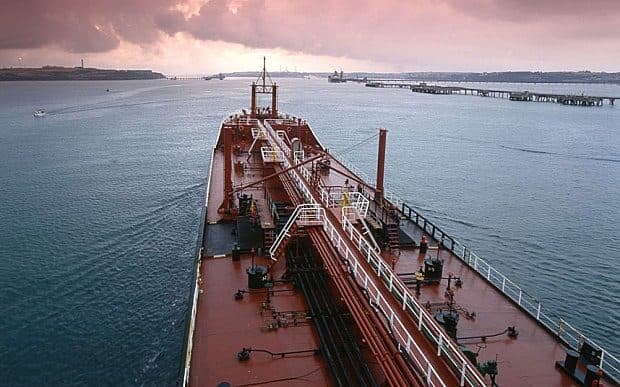
US Eases Russian Oil Sanctions Despite Allies' Warnings It Could Boost Kremlin War Chest
10 sources compared
Ukraine Strikes Bryansk Microelectronics Plant With Storm Shadow Missiles, Killing Six
13 sources compared
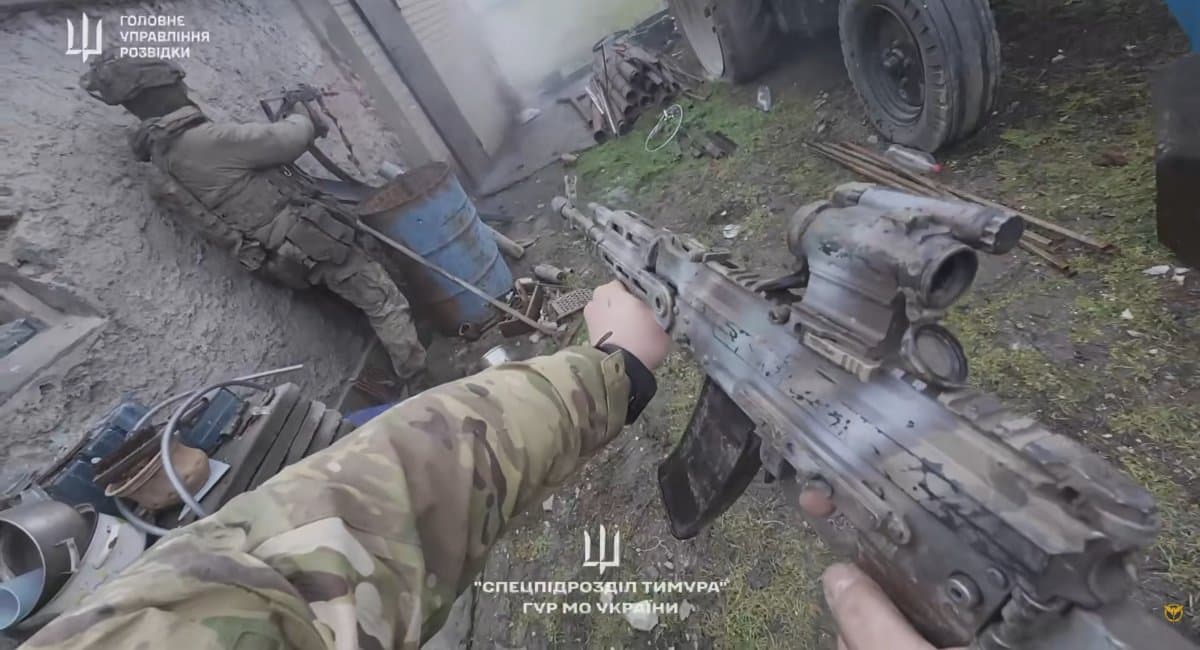
Ukrainian Forces Halt Russian Advance Toward Zaporizhzhia; HUR Claims 300 Russian Casualties
12 sources compared

Russia Kills at Least 10 in Kharkiv Apartment Missile Strike, Including Two Children
19 sources compared