Pakistan · 04 May, 2026 · 6 min read
US Hands 22 Iranian Crew From M/V Touska to Pakistan for Repatriation
US evacuated 22 Iranian crew from the Touska to Pakistan, pending repatriation to Iran. Pakistan described the move as a confidence-building measure in US-Iran tensions.
Date of the US seizure/attack of the Touska.
9 of 12 outlets skipped it: reports that the ship itself would be towed/moved to Pakistani territorial waters for repairs before being returned to the owners..
BBC was read line by line by the Watchdog: 6.4. See the score →
34outlets compared
Same story, two versions
tap a side to read it in full
PressTV
““US forces attacked and seized Touska in the Gulf of Oman on April 1, detaining its 28 crew and claiming the ship had violated the so-called naval blockade.””Read the original ↗
TRT World
““US naval forces seized the vessel Touska on April 19 in the Gulf of Oman after it reportedly refused to comply with blockade directions.””Read the original ↗
The conflicting seizure date (April 1 vs April 19) affects the timeline of detention, negotiations, and how long crew members were held—key details for legal/political claims about blockade enforcement.
Crew Evacuated via Pakistan
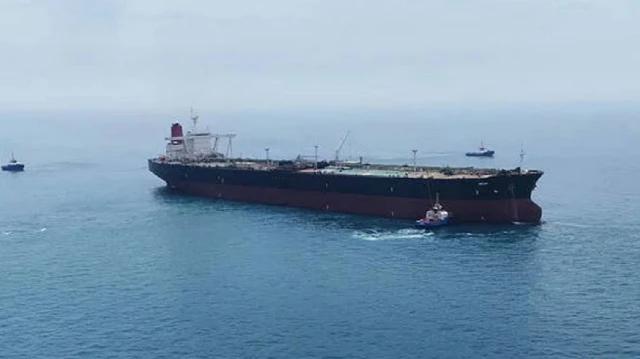
Pakistan received Iranian crew members from the US-seized container ship M/V Touska and facilitated their repatriation to Iran, according to multiple reports describing the handover as a “confidence-building measure.”
“Fifteen crew members of the Iranian commercial vessel Touska, seized by the United States”
PressTV said “Fifteen crew members of the Iranian commercial vessel Touska, seized by the United States,” returned home from Pakistan, with the crew “transferred to Pakistan for repatriation” and arriving in Iran “via the Rimdan border terminal in Iran’s southeastern province of Sistan and Baluchestan.”P

TRT World reported a larger figure, saying “Today, US forces completed the transfer of 22 crew members of M/V Touska to Pakistan for repatriation,” quoting CENTCOM spokesperson Capt. TTim Hawkins via ABC News.
Qatar Tribune, citing Pakistan’s Foreign Ministry, said “22 crew members held aboard the seized Iranian container ship, ‘MV Touska’, have been evacuated to Pakistan,” and added that the crew “were flown to Pakistan on Sunday night and were due to be handed over to Iranian authorities on Monday.”
The Maritime Executive described the same sequence from the US side, saying Pakistan’s Foreign Ministry reported the crewmembers “had been flown to Pakistan late on Sunday, May 3, to be handed over to the Iranian authorities.”
Across the accounts, the vessel’s seizure is tied to US action in the Gulf of Oman, with PressTV saying US forces “attacked and seized Touska in the Gulf of Oman on April 1,” while TRT World and other outlets place the seizure on April 19 after the ship “attempting to breach a blockade on Iranian ports.”
Numbers and Remaining Crew
The reporting diverged on how many Touska crew were transferred and how many remained in Pakistan, reflecting a broader uncertainty about the case’s final accounting.
PressTV said “Fifteen crew members” returned home from Pakistan and that “Seven others are still in Pakistan,” after US detention of “its 28 crew” and the earlier release of “Six crew members of the ship were previously released.”P

TRT World, citing CENTCOM and ABC News, said “22 crew members transferred to Pakistan for repatriation to Iran,” and added that “six other passengers had already been transferred to a regional country for repatriation last week,” while also noting “CENTCOM did not respond to a request for confirmation” and that “Pakistani and Iranian authorities have also not confirmed the report.”T
The Maritime Executive described a different split, stating “Pakistan is reporting that 22 crewmembers had been handed over,” while “Iran, however, is saying that seven crewmembers remain in Pakistan for a total of 28 from the vessel.”
Daily Times similarly described “the return of 15 Iranian sailors previously transferred to Pakistan from the United States,” and said “According to Iranian media, the 15 crew members of the vessel _Tosca_ entered Iran through the Rmdan border terminal in Sistan and Balochistan province.”
Dunya News and Yeni Safak English both framed the handover as 22 crew being evacuated to Pakistan and then handed over to Iran, with Dunya News quoting the Foreign Ministry statement that “The individuals, who were flown to Pakistan last night, will be handed over to the Iranian authorities today.”
Why the Ship Was Seized
The sources tied the Touska seizure and subsequent transfers to US claims about blockade violations and to Iranian characterizations of the action as piracy, with the timeline anchored in the Gulf of Oman and the Strait of Hormuz.
“attacked and seized Touska in the Gulf of Oman on April 1”
PressTV said US forces “attacked and seized Touska in the Gulf of Oman on April 1,” detaining “its 28 crew” and claiming the ship had violated “the so-called naval blockade against the Islamic Republic.”P
TRT World described a similar blockade context but placed the interception later, saying the vessel was “intercepted by the United States after attempting to breach a blockade on Iranian ports” and that US naval forces seized the vessel “on April 19 in the Gulf of Oman after it reportedly refused to comply with blockade directions.”T
Qatar Tribune, citing dpa, said the vessel was “struck by US forces on April 19 after it refused to comply with orders and continued its journey through the Strait of Hormuz, despite a blockade.”
Baird Maritime added operational detail, saying the ship was “boarded and seized by the US off the coast of Iran’s Chabahar port in the Gulf of Oman last month,” and that US Central Command said the crew “failed to comply with repeated warnings over six hours.”
In response, PressTV reported that “Iran has vehemently denounced the naval blockade,” said the seizure of Iranian vessels “constitutes an act of piracy,” and added that Tehran “reserves all rights to take due defensive countermeasures,” while also quoting Donald Trump admitting the US Navy acts “like pirates” in implementing the blockade.P
Pakistan’s Mediation Role
Pakistan’s role in the Touska case was repeatedly described as facilitation of dialogue and diplomacy while the US and Iran remained in a tense standoff.
Qatar Tribune quoted Pakistan’s Foreign Ministry saying, “Pakistan welcomes such confidence-building measures and will continue to facilitate dialogue and diplomacy while pursuing ongoing mediation efforts for regional peace and security.”

The New Arab similarly said Pakistan “describing the move as a ‘confidence-building measure’ amid fragile diplomatic contacts betweenWashingtonand Tehran,” and stated that “The sailors, who had been held aboard the container ship Touska, were flown intoIslamabadlate Sunday.”
Daily Sabah described the same framing, saying the 22 Iranian crew were repatriated through Pakistan “in what Islamabad described as a ‘confidence-building measure’ by Washington amid its fragile diplomatic contacts with Tehran.”
Dunya News reported that Pakistan’s Foreign Ministry confirmed the evacuation and quoted the statement: “Pakistan welcomes such confidence-building measures and will continue to facilitate dialogue and diplomacy while pursuing ongoing mediation efforts for regional peace and security.”
Baird Maritime said the ship would be moved to Pakistani territorial waters for repairs and that “Peace talks were held last month in Pakistan,” while the Maritime Executive tied the repatriation to the continuing blockade and the Strait of Hormuz.
Stakes, Tensions, and Next Steps
The sources portrayed the crew handover as part of a broader effort to manage escalation between Washington and Tehran, but they also emphasized that the blockade and maritime confrontations continued.
“pledged not to rejoin talks with the United States as long as it remains in place”
PressTV said Iran “pledged not to rejoin talks with the United States as long as it remains in place,” and it reported that Tehran “reserves all rights to take due defensive countermeasures.”P

The Maritime Executive described the US position as “fully committed to total enforcement of the blockade against Iranian shipping and its ports,” and it said “CENTCOM on Sunday reported that 49 commercial vessels have now been redirected to comply with the blockade.”
Baird Maritime added that the US-Israeli war on Iran “began in February” and was “suspended four weeks ago after the countries declared a fragile ceasefire,” but it also said “Washington and Tehran have since engaged in naval confrontations and seizures of each other's commercial vessels.”
Multiple outlets also described the physical next steps for the ship: Dunya News said “The Iranian ship will also be backloaded to Pakistani territorial waters for return to its original owners after necessary repairs,” and Yeni Safak English said “The vessel will be towed to Pakistani waters for repairs before being returned.”
Together, the accounts show that while Pakistan facilitated the transfer of crew, the dispute over the blockade and the fate of the ship remained unresolved, with the next phase centered on repairs and return to owners.