
U.S. Hits Iran's Antiship Missile Sites Near Strait of Hormuz With 5,000-pound Bombs
Key Takeaways
- U.S. strikes Iranian missile sites near Strait of Hormuz with 5,000-pound bunker-buster bombs.
- Targets were Iranian anti-ship cruise missile sites threatening international shipping.
- Operations targeted hardened coastal facilities housing the missiles.
U.S. Strike Overview
The United States military conducted targeted strikes on Iranian missile sites near the strategic Strait of Hormuz on March 17, 2026.
“US says it struck Iranian missile sites near Strait of Hormuz 'The Iranian anti-ship cruise missiles in these sites posed a risk to international shipping,' CENTCOM says WASHINGTON The US military said Tuesday that it carried out strikes on Iranian missile sites near the strategic Strait of Hormuz using heavy “deep penetrator” munitions”
The operation employed multiple 5,000-pound deep penetrator munitions against hardened Iranian coastal defenses.

According to U.S. Central Command (CENTCOM), the strikes targeted Iranian anti-ship cruise missile systems posing direct risks to international shipping.
The attacks represent the most significant U.S. military action to restore safe passage through the strait.
Iran had effectively closed the strait using mines, drones, and naval vessels in retaliation for the U.S.-Israeli war.
This critical corridor handles approximately one-fifth of the world's oil flows, causing severe global energy market disruptions.
Weapon Technology
The munitions used were sophisticated 5,000-pound bunker-buster bombs designed for hardened underground targets.
Military experts identified these as likely GBU-72 Advanced 5K Penetrator bombs costing approximately $288,000 each.

These weapons use GPS guidance rather than laser targeting, maintaining effectiveness in various weather conditions.
The GBU-72 fills a capability gap between smaller tactical penetrators and the massive 30,000-pound GBU-57 MOP bombs.
Development and testing began in 2021, with successful aerial deployment from F-15E Strike Eagles.
Unlike larger penetrators, these bombs can be deployed by a wider range of aircraft platforms.
Geopolitical Context
The strikes occurred amid significant geopolitical tensions with President Trump frustrated by lack of allied support.
“• Iranian official targeted: Israel targeted Iran’s intelligence minister in an overnight strike in Tehran, according to an Israeli official, a day after killing the country’s security chief, Ali Larijani”
Despite Trump's appeals, most NATO allies including UK, Spain, and Germany declined to participate in securing the strait.
Trump characterized the alliance's reluctance as a 'very foolish mistake' and lamented U.S. spending on NATO without reciprocal support.
The Israeli military continued separate operations, announcing new strikes targeting Iran's capital, Tehran.
Israel reported killing Gen. Gholam Reza Soleimani, head of the Revolutionary Guard's Basij force.
These parallel operations demonstrate the complex, multi-front nature of the ongoing conflict.
Global Impact
The blockade has severely disrupted global maritime traffic and energy markets.
Approximately 20 vessels have come under attack since the conflict began, with many ships avoiding the route entirely.
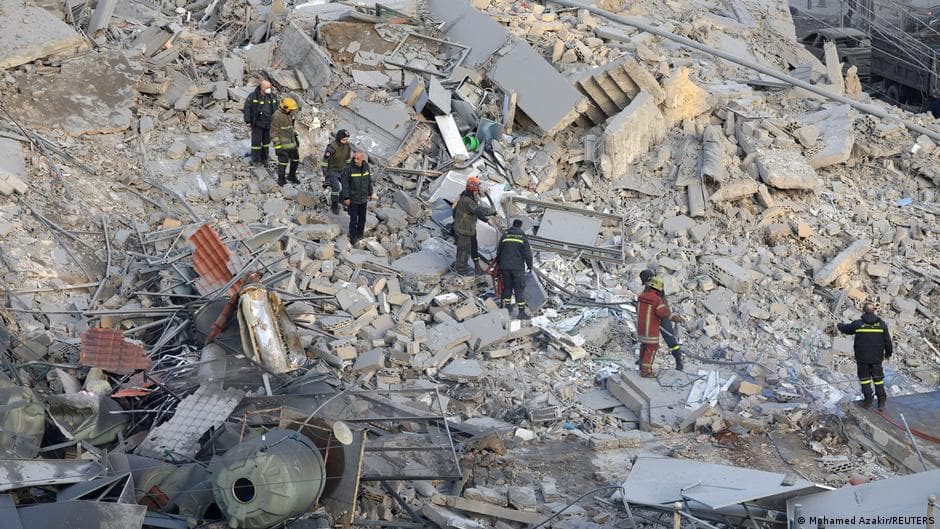
The UAE reported intercepting 10 Iranian missiles and 45 drones in a single night.
The World Food Program warns the conflict could push 45 million more people into acute hunger by June 2026.
Fighting has damaged about 55,000 civilian structures in Iran, including 30,000 homes.
Over half a million vehicles were observed heading north as Iranian civilians seek safety.
Iranian Response
Iran has maintained control over the Strait of Hormuz despite the U.S. strikes.
The Islamic Revolutionary Guard Corps previously threatened to 'burn all ships' attempting to pass through.

Iran's parliament speaker warned that maritime traffic would not resume on the same terms after the conflict.
The International Atomic Energy Agency confirmed a projectile struck the Bushehr nuclear plant but caused no damage.
Iran intensified attacks on U.S. facilities, launching rockets and drones at the U.S. Embassy in Baghdad.
Iraqi sources described this as the most significant attack since the start of the U.S.-Israeli war.
Future Implications
Experts suggest the strait issues could extend the war by as much as two months.
The operation represents a strategic shift from targeting nuclear facilities to addressing maritime threats.
Analysts note Iran may still have substantial naval mines remaining in the strait.
The UK proposes deploying autonomous mine-hunting drones as a 'smart, low-risk' solution.
U.S. Central Command reports over 6,000 combat flights and destruction of 100+ Iranian naval vessels.
These developments suggest fundamental challenges to securing the waterway remain unresolved.
More on Iran

Israel strikes Iran's Pars gas field as Tehran vows revenge
14 sources compared
Trump threatens to blow up South Pars gas field if Iran attacks Qatar again
10 sources compared
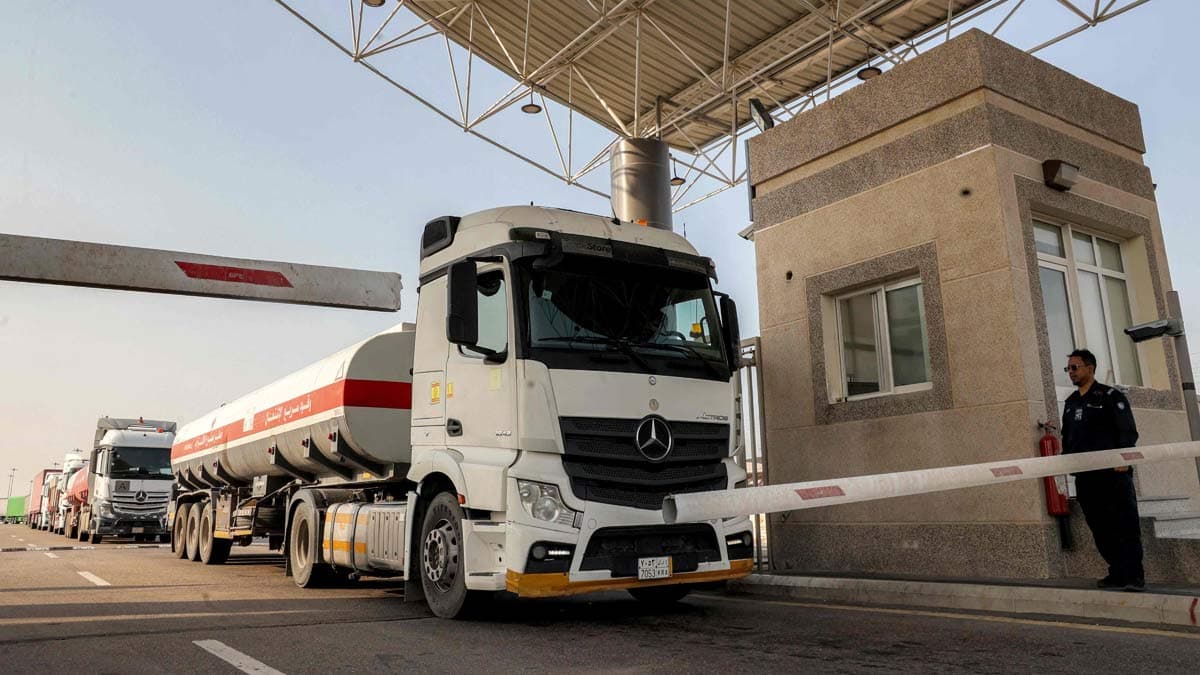
UAE Halts Habshan Gas Facility Operations After Debris From Intercepted Missiles
10 sources compared

Iran Threatens Gulf Energy Facilities After Israel Strikes South Pars Gas Field
11 sources compared