U.S. Hosts Israel-Lebanon Talks May 14-15, Demands Complete Hezbollah Disarmament
Key Takeaways
- US hosts May 14-15 Israel-Lebanon talks in Washington.
- Talks seek broader security deal centering Hezbollah disarmament and Lebanese sovereignty.
- Despite optimism, Hezbollah remains the primary obstacle to a swift agreement.
New talks scheduled
The United States will host another round of talks between Israel and Lebanon on May 14 and 15, the US State Department announced on Friday, with Washington saying the meeting will build on the April 23 round led personally by President Donald Trump.
State Department spokesperson Tommy Pigott said the delegations would engage in “detailed discussions” aimed at advancing “a comprehensive peace and security agreement” that addresses the core concerns of both countries.

The US framed the next round as a step toward “the full restoration of Lebanese sovereignty throughout its territory” and “the delineation of borders,” while also creating “concrete pathways for humanitarian relief and reconstruction in Lebanon,” according to Pigott’s statement.
The US also said comprehensive peace is contingent on “the complete disarmament of Hezbollah,” a US-designated Foreign Terrorist Organization, and said it would continue to support both countries as they seek a breakthrough.
In parallel, the Times of Israel reported that the US will host the third round of ambassador-level talks on May 14 and 15 and that, for the first time, military representatives would join the discussions to disarm Hezbollah.
Rubio, Aoun, and Hezbollah
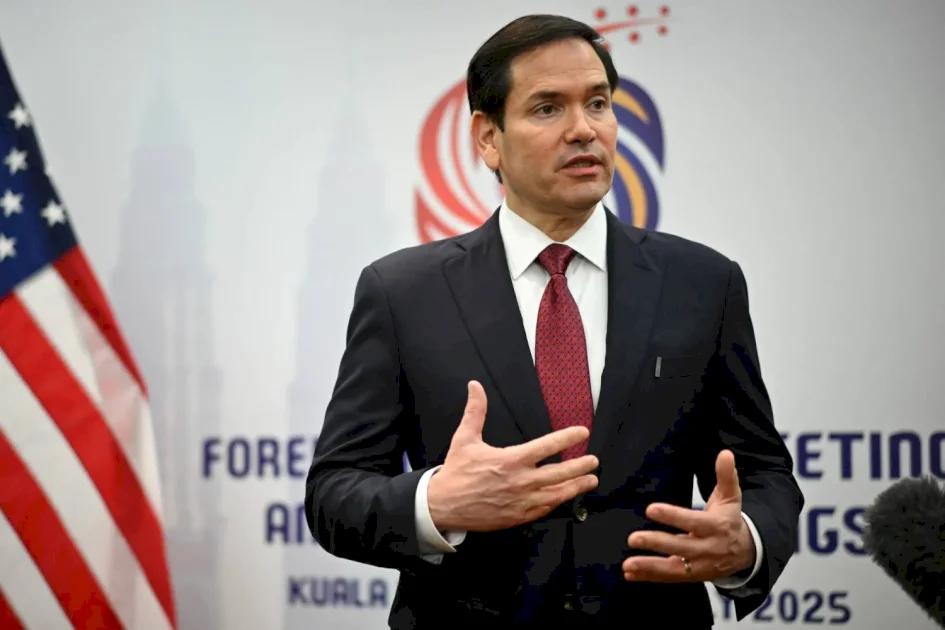
During a press briefing in Rome on Friday, U.S. Secretary of State Marco Rubio stressed that empowering the Lebanese government is essential to confronting Hezbollah and stabilizing Lebanon, and he said the United States refuses to negotiate directly with Hezbollah.
Rubio said Washington shares a common objective with its allies: ensuring Hezbollah does not continue operating as an armed force inside Lebanon or threaten neighboring countries, while the US also said it would only discuss Hezbollah-related matters with Iran if Tehran agreed to stop supporting the group.

The Times of Israel reported that Beirut has bucked US pressure for Lebanese President Joseph Aoun to meet Prime Minister Benjamin Netanyahu, with Aoun saying such a meeting would only be appropriate after Israel halts its strikes in Lebanon and after a security agreement.
In response to the push for disarmament, Hezbollah Secretary-General Sheikh Naim Qassem rejected the idea of disarming Hezbollah, saying, “Under no circumstances will we allow Hezbollah to be disarmed.”
Kurdistan24 also reported that the negotiations are expected to cover border demarcation, humanitarian aid access, and reconstruction planning, and it described the talks as a potential “historic turning point” tied to Hezbollah disarmament and Lebanese sovereignty.
What is at stake
The US State Department said the talks aim to break from what it called the “failed approach of the past two decades,” which it said allowed terrorist groups to entrench and enrich themselves, undermine the authority of the Lebanese state, and endanger Israel’s northern border.
Kurdistan24 reported that the negotiations are expected to address “the restoration of full Lebanese state authority across all Lebanese territory” and “the complete disarmament of Hezbollah,” framing those conditions as prerequisites for any long-term peace arrangement.
The Times of Israel added that the ceasefire has not been felt in southern Lebanon, where Israel carries out daily strikes against what it says are Hezbollah operatives and infrastructure, and where Hezbollah targets Israeli troops in a six-mile buffer zone beyond the border.
The Times of Israel also reported that Israel justified apparent ceasefire violations by arguing that a senior Hezbollah operative it targeted was responsible for planning attacks on Israeli forces, while it said the Israeli military has killed almost 2,700 people in Lebanon since Hezbollah sparked the latest war, according to Lebanon’s health ministry.
Hezbollah’s Naim Qassem said the resistance would confront the occupation with full force and insisted that those who seek to disarm the resistance are serving the Zionist enemy, warning that “We will confront anyone who attacks the resistance and seeks to seize our weapons.”
More on Lebanon

EU Crisis Chief Hadja Lahbib Says Israeli Activity Restricts Humanitarian Aid Access in Lebanon
12 sources compared
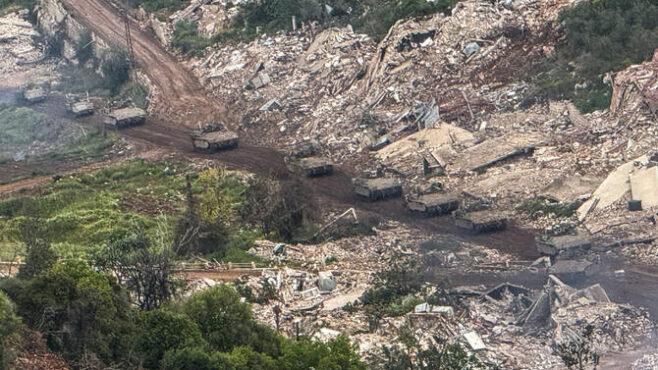
Israeli Attacks Across Lebanon Kill At Least 24, Lebanese Health Ministry Says
16 sources compared
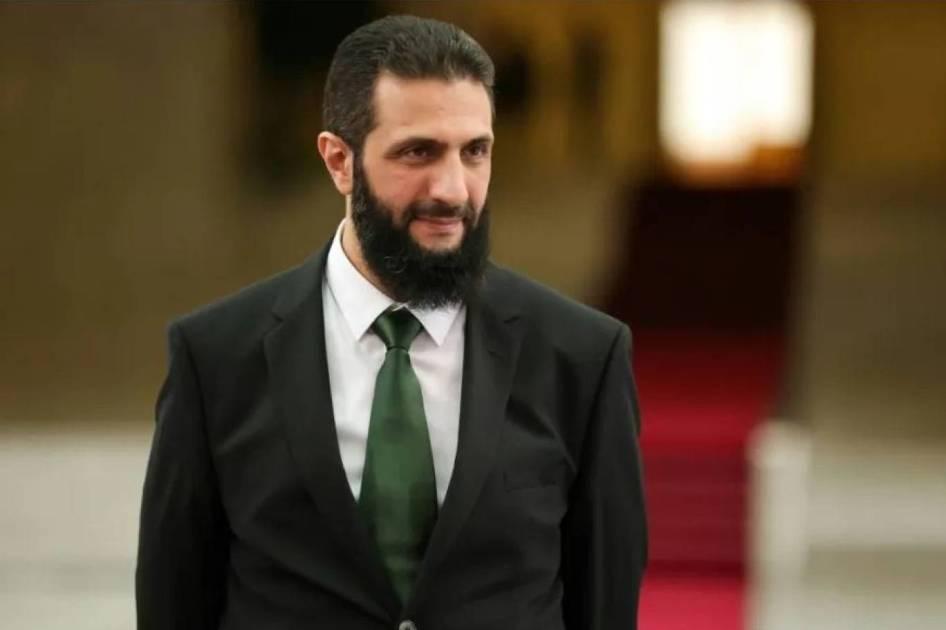
Ahmed Al-Sharaa Announces Syria Government Reshuffle, Appoints Khaled Zaarour as Information Minister
12 sources compared
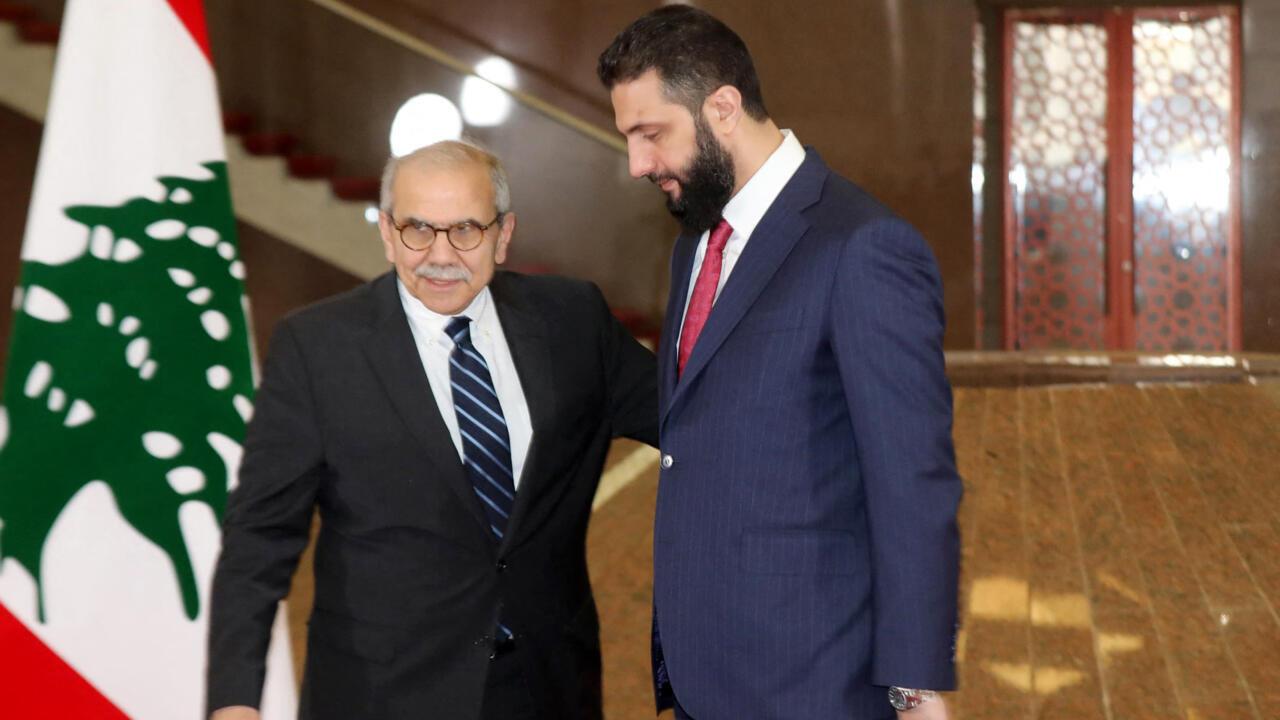
Nawaf Salam Meets Ahmed al-Sharaa in Damascus, Says Significant Progress on Security and Transport
24 sources compared