USA11 November, 20252 min read
US ICE Detains British Journalist Sami Hamdi for Pro-Palestinian Views, Plans Release After Outcry
This article is an automated aggregation of coverage from news outlets. Our editorials offer in-depth analysis curated by the NewsCord team.
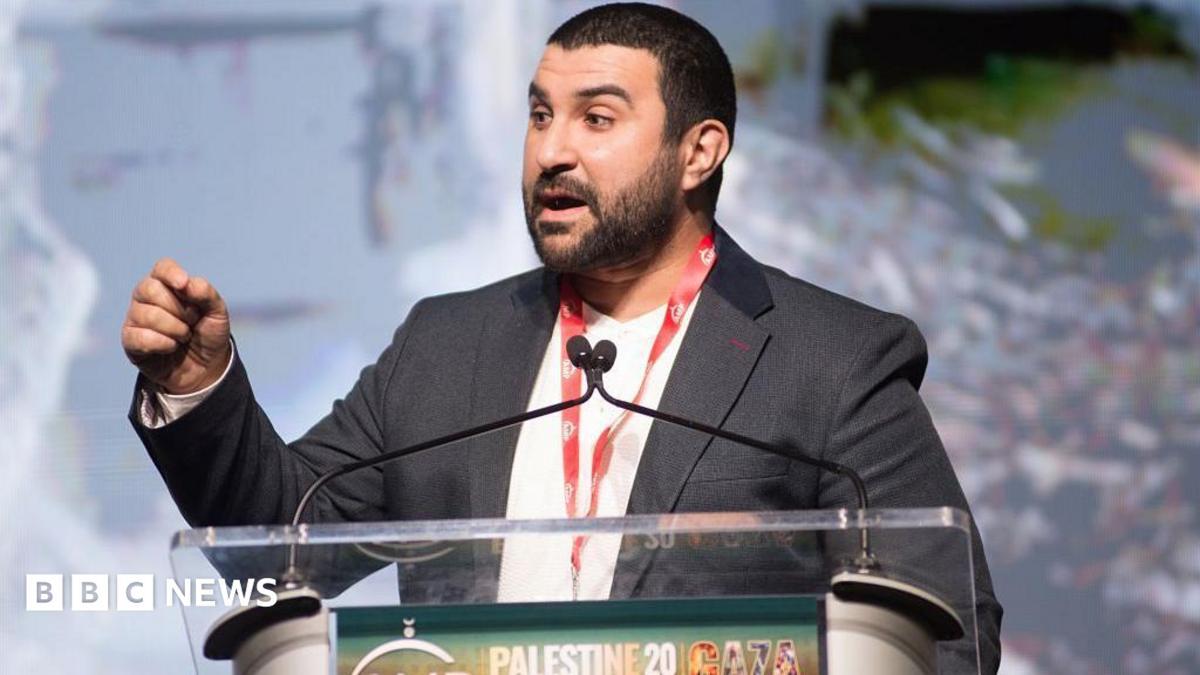
Sami Hamdi was detained by US ICE on October 26 at San Francisco airport. Hamdi’s detention followed visa revocation, allegedly linked to his pro-Palestinian views.

8 outlets told this the same way.
Detention of British Journalist in US
British journalist Sami Hamdi was detained by U.S. Immigration and Customs Enforcement at San Francisco International Airport during a U.S. speaking tour after his visa was revoked.
“Sami Hamdi was detained at San Francisco International Airport during a U.S. speaking tour after his visa was revoked by immigration authorities on accusations of supporting terrorism, though no evidence was publicly provided.”
He is now slated for release via a voluntary departure arrangement.

Coverage differs on why he was held: some report ICE alleged terrorism links tied to his visa revocation, while others say it was framed as an overstay issue.
Multiple outlets note no evidence was publicly presented and that authorities do not consider him a national security threat.
His wife has pressed for justice as he prepares to depart.
Detention and Free Speech Debate
Civil rights groups, especially CAIR’s California chapter, condemned the detention as an attack on free speech and journalism. They asserted that Hamdi was not considered a national security threat. Coverage also highlights his outspoken support for Palestinians and criticism of Israel.
Some advocates argue that these views triggered retaliatory immigration enforcement. While the mechanism for release is consistently described as voluntary departure, the rationale and framing of the detention vary by source.
Political Context of Detention
Several outlets place Hamdi’s case within a broader political context. UPI and NewsBreak situate the detention amid the Trump administration’s immigration crackdown, particularly targeting pro-Palestinian protesters and critics of Israel. Critics say this crackdown is meant to silence dissent.
“Hamdi's detention occurred amid the Trump administration's crackdown on immigration, particularly targeting pro-Palestinian protesters and critics of Israel, which officials justify as national security measures but critics view as efforts to silence dissent.”
Al Jazeera, from a West Asian perspective, underscores a wider pattern of pressure on pro-Palestinian advocates, highlighting Mahmoud Khalil’s immigration struggles. It also reports the Gaza war’s staggering toll, described by multiple human rights groups and a UN commission as a genocide. This context intensifies concerns that immigration powers are being used to chill speech on Palestine and Israel.
Visa Revocation and Detention Details
Due process and transparency questions recur across reports. UPI and NewsBreak say authorities offered no public evidence to support the terrorism-accusation rationale for revoking Hamdi’s visa. Both note officials do not consider him a national security threat.
mezha.net reports his visa was canceled without prior notice and that no criminal or security threats were found. The same source also notes ICE is arranging his exit after he accepted voluntary departure. NewsBreak alone provides a specific detention date of October 26 at SFO, adding timeline clarity absent in other summaries.

Reactions to Hamdi's Departure
As Hamdi prepares to leave under voluntary departure, reactions span relief and concern. His wife has expressed happiness at his imminent return while demanding justice. CAIR warns the case sets a troubling precedent for activists and journalists.
“British Muslim journalist Sami Hamdi is set to be released after detention by ICE in the US, with his wife demanding justice.”
Legal and human rights communities are watching the situation closely. Coverage breadth varies by outlet, with some offering only brief mentions and others providing detailed rights-focused critiques. These differences reflect divergent editorial priorities and audiences.