USA21 September, 20253 min read
US Imposes New $100,000 Fee on H-1B Visas, Sparking Widespread Backlash
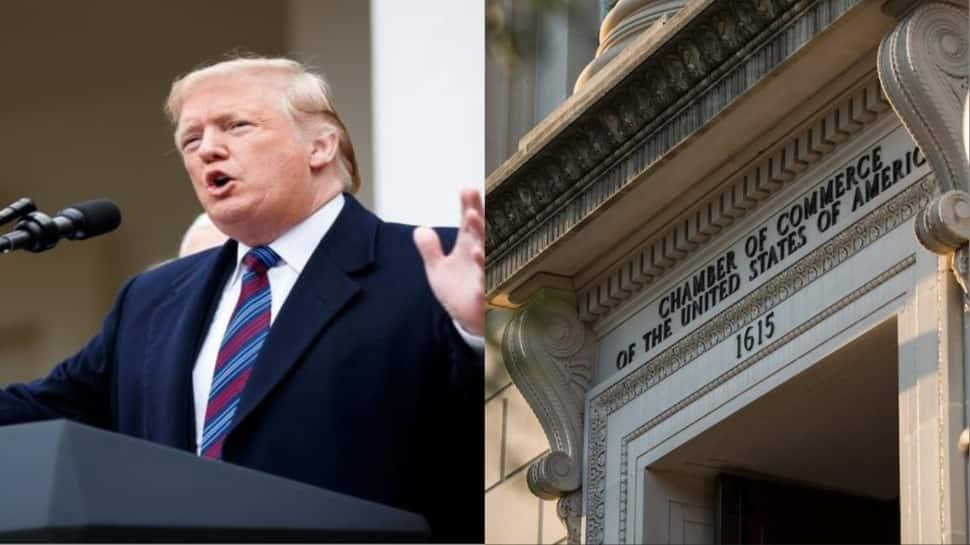
U.S. Chamber of Commerce sued Trump administration over $100,000 H-1B visa fee. Lawsuit claims fee exceeds presidential authority and violates Immigration and Nationality Act.
43 outlets told this the same way.
Outlets did split on Trump Interrupted by Protesters at San Antonio Rally for Ken Paxton →
New H-1B Visa Fee Policy
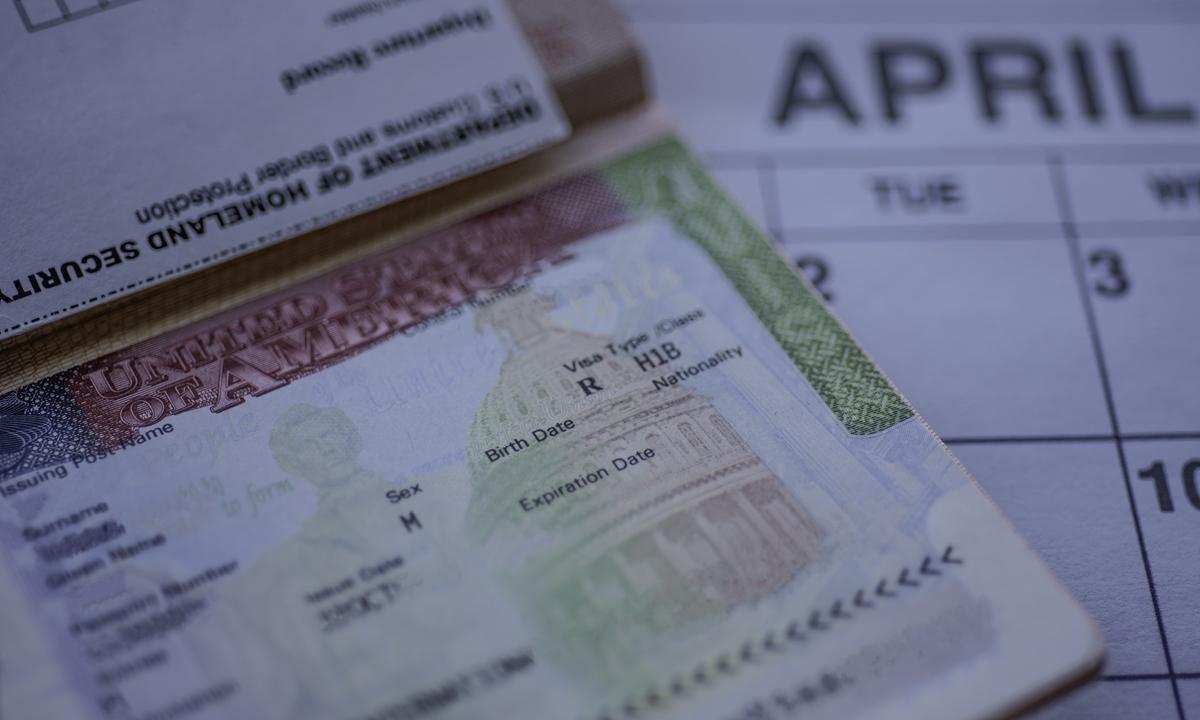
The Trump administration moved to impose a $100,000 fee on H-1B visa petitions. The fee was intended to deter companies from replacing American workers with lower-paid foreign labor. The administration clarified that current visa holders are unaffected and some exemptions apply.
“The U.S. Chamber of Commerce has sued the Trump administration over a newly imposed $100,000 annual fee on H-1B visa applications...”
Multiple outlets report the policy targets only new applications and was positioned as temporary for a year. The Chamber of Commerce sued the Departments of Homeland Security and State over the measure. Some sources describe the charge as “annual,” while others call it a “one-time” fee.
Several note that prior total costs were under $3,600, underscoring the scale of the increase. Clarifications further emphasized the fee does not apply to renewals or existing visa holders. The fee may expire after a year unless it is extended.
Legal Challenges to Immigration Fee
Backlash was swift and coordinated.
The U.S. Chamber of Commerce filed suit arguing the fee violates the Immigration and Nationality Act by exceeding processing costs and presidential authority.

Additional challenges came from labor unions, nonprofits, religious groups, and a healthcare staffing firm describing the fee as “draconian.”
Coverage highlights harm to startups and small to midsize firms.
Some outlets note this was the Chamber’s first lawsuit against the administration this term.
Others add that lawsuits also invoke constitutional doctrines like nondelegation and the “major questions” doctrine.
US H-1B Visa Policy Changes
The White House defends the measure as lawful reform to protect American workers, prevent program abuse, and ensure fair wages. Some coverage quotes officials arguing companies should only use H-1B workers if they justify a $100,000 annual fee.
“The White House defended the fee as a legal measure to reform the visa system, protect American workers, and prevent program abuse.”
Other reporting highlights parallel policy moves, like a proposed weighted selection to favor higher-skilled or higher-paid roles, meant to shift the program toward top talent. There is a notable split in opinion: one outlet reports major companies back the fee, while others say leading tech firms are siding with the Chamber against it.
H-1B Visa Program Impact
The H-1B program offers 65,000 visas plus 20,000 additional visas for advanced degree holders. Tech employers heavily rely on the program, with over 70% of 2024 approvals going to workers born in India. California hosts the largest H-1B workforce in the United States.
Several media outlets warn that the proposed fee increase would be prohibitively expensive for startups and small to midsize businesses. This fee hike could force companies to raise labor costs or reduce hiring.

Critics argue that some H-1B visas are used for entry-level roles, which may suppress wages for U.S. workers. Others highlight abuses related to outsourcing, contrasting these issues with the broader economic benefits of the program.
Visa Fee Impact and Reactions
Global competition and policy uncertainty are key issues in the discussion about the new visa fee. Telegraph India warns that the fee could push talent towards competitors like China, referencing Beijing’s new K-Visa. A local U.S. outlet reports that the fee was introduced alongside a 'Trump Gold Card' visa.
“The fee, introduced alongside the 'Trump Gold Card' visa program...”
Other sources highlight that evolving rules include new eligibility restrictions and that legal challenges mean the fee is not yet fully enforced. Coverage varies on the timing and status of the fee—some say it became effective in late September, while others describe it as proposed or announced. Several observers note that this dispute represents a rare disagreement between the Chamber of Commerce and the White House during the administration’s second term.
