
U.S. Intercepts Encrypted Message Likely From Iran That Could Trigger Sleeper Cells
Key Takeaways
- U.S. intercepted encrypted messages believed to originate from Iran
- Federal government sent an alert to law enforcement reported by ABC News
- Alert warns messages could act as an "operational trigger" activating sleeper assets
Interception and origin
U.S. officials intercepted encrypted messages that a federal alert — reviewed by ABC News and reported by USA TODAY — described as likely of Iranian origin and potentially designed to act as an "operational trigger" for sleeper assets.
“What is a 'sleeper cell'”
The alert was sent to law enforcement agencies and said the message was transmitted to numerous countries following the death of Ayatollah Ali Khamenei on Feb. 28, described in the reporting as "the first day of the war."
The reporting frames the interception as an intelligence-warning scenario rather than confirmed activations, emphasizing that authorities flagged the communications as a potential trigger rather than reporting active attacks.
Alert language and intent
The alert uses language suggesting the messages were aimed at activating "sleeper assets" or "prepositioned sleeper assets operating outside the originating country," and described recipients as "clandestine recipients" who obtain an encryption key to deliver instructions to "covert operatives or sleeper assets."
This vocabulary underscores that the communications were framed as operational instructions rather than benign diplomatic traffic, according to the USA TODAY coverage of the federal alert and ABC News review.
Sleeper cell context
USA TODAY’s reporting places this alert in the context of how "sleeper cell" concepts have been understood historically, noting Cold War precedents (Soviet KGB placements) and the post-9/11 significance after hijackers lived in the U.S. for months before the attacks.
“What is a 'sleeper cell'”
The article also provides a concise operational definition from the Spy Museum: a sleeper cell is an "agent living as an ordinary citizen in a foreign country; acts only when a hostile situation develops," which helps explain why authorities would treat an encrypted activation message as a serious concern.
Uncertainty and review
The reporting emphasizes that the assessment came from a "preliminary signals analysis," signaling uncertainty about firm attribution or imminent action.
USA TODAY notes that the alert was "reviewed by ABC," which underlines that the public account is based on government warnings and media review rather than an official, public forensic confirmation.
The coverage therefore frames the situation as a warning to law enforcement agencies to be alert to potential activations rather than reporting confirmed operational follow-through.
Open questions remain
Because the public reporting in USA TODAY is based on a government alert and ABC News review, important details remain unclear: the identity of the senders, whether the messages led to activation of any operatives, and how law enforcement has operationally responded are not detailed in the article.
“What is a 'sleeper cell'”
The piece thus functions as an early-warning account and invites further reporting and verification about attribution, the scope of distribution, and any concrete law enforcement actions following the alert.
More on Iran
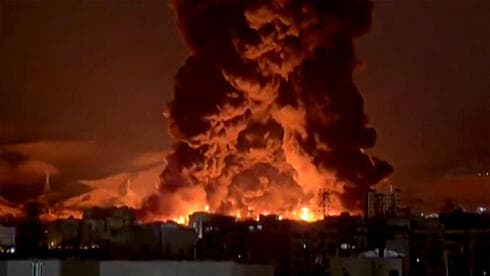
US obliterates military targets on Iran’s Kharg Island, Trump warns
13 sources compared

US Deploys About 2,500 Marines to Middle East After Iran Attacks Gulf Shipping
33 sources compared
FBI Warns of Iranian Drone Plot Based on Unverified Tip; California Says No Credible Threat
10 sources compared

White House Demands ABC Retract Report Claiming Iran Sought To Launch Drone Attacks On California
11 sources compared